
Any feedback?

Ligand Mg2+
Please wait a moment until all data is loaded. This message will disappear when all data is loaded.
Basic Ligand Information
Related pathways
BRENDA
KEGG
MetaCyc
3,8-divinyl-chlorophyllide a biosynthesis I (aerobic, light-dependent), 3,8-divinyl-chlorophyllide a biosynthesis II (anaerobic), 3,8-divinyl-chlorophyllide a biosynthesis III (aerobic, light independent), chlorophyll a degradation I, chlorophyll a degradation II  more
more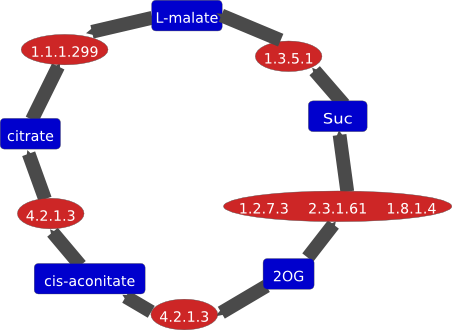 Show all BRENDA pathways known for Mg2+
 close all tables
 open all tables
Roles as Enzyme Ligand
In Vivo Substrate in Enzyme-catalyzed Reactions (31 results)
 top

EC NUMBER 

PROVEN IN VIVO REACTION
REACTION DIAGRAM
LITERATURE
ENZYME 3D STRUCTURE
ATP + deuteroporphyrin IX + Mg2+ + H2O = ADP + phosphate + Mg-deuteroporphyrin IX + H+

ATP + deuteroporphyrin IX + Mg2+ + H2O = ADP + phosphate + Mg-deuteroporphyrin IX + H+
ATP + deuteroporphyrin IX + Mg2+ + H2O = ADP + phosphate + Mg-deuteroporphyrin IX + H+
ATP + protoporphyrin IX + Mg2+ + H2O = ADP + phosphate + Mg-protoporphyrin IX + 2 H+
ATP + protoporphyrin IX + Mg2+ + H2O = ADP + phosphate + Mg-protoporphyrin IX + 2 H+
ATP + protoporphyrin IX + Mg2+ + H2O = ADP + phosphate + Mg-protoporphyrin IX + 2 H+
ATP + protoporphyrin IX + Mg2+ + H2O = ADP + phosphate + Mg-protoporphyrin IX + H+
ATP + protoporphyrin IX + Mg2+ + H2O = ADP + phosphate + Mg-protoporphyrin IX + H+
ATP + protoporphyrin IX + Mg2+ + H2O = ADP + phosphate + Mg-protoporphyrin IX + H+
ATP + H2O + Mg2+/out = ADP + phosphate + Mg2+/in
289130, 289131, 289132, 289133, 289136, 289134, 686901, 686274, 689037, 689150, 685621, 686381, 687696, 687845, 686644, 696596, 699121, 697187, 698035, 699248, 700902, 701311, 695972, 696384
-
ATP + H2O + Mg2+[side 1] = ADP + phosphate + Mg2+[side 2]
-
In Vivo Product in Enzyme-catalyzed Reactions (35 results)
EC NUMBER
PROVEN IN VIVO REACTION
REACTION DIAGRAM
LITERATURE
ENZYME 3D STRUCTURE
ATP + H2O + Mg2+/out = ADP + phosphate + Mg2+/in
-
Substrate in Enzyme-catalyzed Reactions (35 results)
EC NUMBER
REACTION
REACTION DIAGRAM
LITERATURE
ENZYME 3D STRUCTURE
ATP + deuteroporphyrin + Mg2+ + H2O = ADP + phosphate + Mg-deuteroporphyrin + H+
ATP + deuteroporphyrin + Mg2+ + H2O = ADP + phosphate + Mg-deuteroporphyrin + H+
ATP + deuteroporphyrin + Mg2+ + H2O = ADP + phosphate + Mg-deuteroporphyrin + H+
ATP + deuteroporphyrin IX + Mg2+ + H2O = ADP + phosphate + Mg-deuteroporphyrin IX + H+
ATP + deuteroporphyrin IX + Mg2+ + H2O = ADP + phosphate + Mg-deuteroporphyrin IX + H+
ATP + deuteroporphyrin IX + Mg2+ + H2O = ADP + phosphate + Mg-deuteroporphyrin IX + H+
ATP + protoporphyrin IX + Mg2+ + H2O = ADP + phosphate + Mg-protoporphyrin IX + 2 H+
ATP + protoporphyrin IX + Mg2+ + H2O = ADP + phosphate + Mg-protoporphyrin IX + 2 H+
ATP + protoporphyrin IX + Mg2+ + H2O = ADP + phosphate + Mg-protoporphyrin IX + 2 H+
ATP + protoporphyrin IX + Mg2+ + H2O = ADP + phosphate + Mg-protoporphyrin IX + H+
ATP + protoporphyrin IX + Mg2+ + H2O = ADP + phosphate + Mg-protoporphyrin IX + H+
ATP + protoporphyrin IX + Mg2+ + H2O = ADP + phosphate + Mg-protoporphyrin IX + H+
ATP + H2O + Mg2+/out = ADP + phosphate + Mg2+/in
289130, 289131, 289132, 289133, 289136, 289134, 668575, 686901, 686274, 689037, 689150, 685621, 686381, 687696, 687845, 686644, 696596, 699121, 697187, 698035, 699248, 700902, 701311, 695972, 696384, 289135, 719452
-
ATP + H2O + Mg2+[side 1] = ADP + phosphate + Mg2+[side 2]
-
Product in Enzyme-catalyzed Reactions (40 results)
EC NUMBER
REACTION
REACTION DIAGRAM
LITERATURE
ENZYME 3D STRUCTURE
ATP + H2O + Mg2+/out = ADP + phosphate + Mg2+/in
-
Activator in Enzyme-catalyzed Reactions (622 results)
EC NUMBER
COMMENTARY
LITERATURE
ENZYME 3D STRUCTURE
5 mM, 123% of initial activity for isoform PRB-A. 112% of inital activity for isoform PRB-B
5 mM, 123% of initial activity for isoform PRB-A. 112% of inital activity for isoform PRB-B
5 mM, 123% of initial activity for isoform PRB-A. 112% of inital activity for isoform PRB-B
stimulates enzyme activity
-
Mg2, Mn2+ and other divalent metal ions can not substitute for Ca2+ and lead to a loss od arylesterase activity
-
5 mM, 3.7fold activation, without Mg2+ 33% remaining activity and additionally without D-glucose 6-phosphate 23.1% remaining activity
-
Mg2, Mn2+ and other divalent metal ions can not substitute for Ca2+ and lead to a loss od arylesterase activity
-
1.65fold activation of xylan-inducible enzyme, 1.2fold of xylose-inducible enzyme, at 0.25 mM
-
stimulates activity with increasing amounts from 5 mM (14%) to 20 mM (57%)
stimulates activity with increasing amounts from 5 mM (14%) to 20 mM (57%)
stimulates activity with increasing amounts from 5 mM (14%) to 20 mM (57%)
stimulates activity with increasing amounts from 5 mM (14%) to 20 mM (57%)
stimulates activity with increasing amounts from 5 mM (14%) to 20 mM (57%)
stimulates activity with increasing amounts from 5 mM (14%) to 20 mM (57%)
stimulates activity with increasing amounts from 5 mM (14%) to 20 mM (57%)
stimulates activity with increasing amounts from 5 mM (14%) to 20 mM (57%)
stimulates activity with increasing amounts from 5 mM (14%) to 20 mM (57%)
stimulates activity with increasing amounts from 5 mM (14%) to 20 mM (57%)
stimulates activity with increasing amounts from 5 mM (14%) to 20 mM (57%)
stimulates activity with increasing amounts from 5 mM (14%) to 20 mM (57%)
stimulates activity with increasing amounts from 5 mM (14%) to 20 mM (57%)
stimulates activity with increasing amounts from 5 mM (14%) to 20 mM (57%)
stimulates activity with increasing amounts from 5 mM (14%) to 20 mM (57%)
stimulates activity with increasing amounts from 5 mM (14%) to 20 mM (57%)
stimulates activity with increasing amounts from 5 mM (14%) to 20 mM (57%)
stimulates activity with increasing amounts from 5 mM (14%) to 20 mM (57%)
stimulates activity with increasing amounts from 5 mM (14%) to 20 mM (57%)
stimulates activity with increasing amounts from 5 mM (14%) to 20 mM (57%)
stimulates activity with increasing amounts from 5 mM (14%) to 20 mM (57%)
stimulates activity with increasing amounts from 5 mM (14%) to 20 mM (57%)
stimulates activity with increasing amounts from 5 mM (14%) to 20 mM (57%)
stimulates activity with increasing amounts from 5 mM (14%) to 20 mM (57%)
about 50% activity in the presence of Mn2+ compared to 2-mercaptoethanol
about 50% activity in the presence of Mn2+ compared to 2-mercaptoethanol
about 50% activity in the presence of Mn2+ compared to 2-mercaptoethanol
about 50% activity in the presence of Mn2+ compared to 2-mercaptoethanol
required for heterocyclization reaction, minimum Mg2+ concentration that supports catalysis is 1 mM
-
Inhibitor in Enzyme-catalyzed Reactions (17573 results)
EC NUMBER
COMMENTARY
LITERATURE
ENZYME 3D STRUCTURE
10 mM inhibits complex formation of ALR 2 with alpha-crystallin, induces ALR 2 aggregation and precipitation
-
slight inhibition at 2 mM, slight activation at 0.5 mM, dependent on the substrate
-
activates at up to 4 mM, inhibition above, probably due to blockage of substrate binding, Km is 0.19 mM
activates at up to 4 mM, inhibition above, probably due to blockage of substrate binding, Km is 0.19 mM
in the presence of 2 mM Mg2+, the rate of H2O2 removal is inhibited by 60%, 5% and 5% when it is assayed with 2 mM ADP, AMP or phosphate, respectively, total inactivation of 2-Cys Prx is caused by incubation with 3 mM ATP and 3 mM Mg2+
-
1 mM, inhibits the free enzyme by 9%, no inhibition of the immobilized enzyme by Mg2+
1 mM, inhibits the free enzyme by 9%, no inhibition of the immobilized enzyme by Mg2+
1 mM, inhibits the free enzyme by 9%, no inhibition of the immobilized enzyme by Mg2+
concentrations of Mg2+ higher than 1.25 mM inhibit activity strongly (90% of activity lost at 1.75 mM)
-
1-5 mM, 10-20% inhibition of GDP reduction; inhibition of CDP reduction
1-5 mM, 10-20% inhibition of GDP reduction; inhibition of CDP reduction
1-5 mM, 10-20% inhibition of GDP reduction; inhibition of CDP reduction
1-5 mM, 10-20% inhibition of GDP reduction; inhibition of CDP reduction
1-5 mM, 10-20% inhibition of GDP reduction; inhibition of CDP reduction
1-5 mM, 10-20% inhibition of GDP reduction; inhibition of CDP reduction
1-5 mM, 10-20% inhibition of GDP reduction; inhibition of CDP reduction
1-5 mM, 10-20% inhibition of GDP reduction; inhibition of CDP reduction
1-5 mM, 10-20% inhibition of GDP reduction; inhibition of CDP reduction
1-5 mM, 10-20% inhibition of GDP reduction; inhibition of CDP reduction
1-5 mM, 10-20% inhibition of GDP reduction; inhibition of CDP reduction
1-5 mM, 10-20% inhibition of GDP reduction; inhibition of CDP reduction
1-5 mM, 10-20% inhibition of GDP reduction; inhibition of CDP reduction
1-5 mM, 10-20% inhibition of GDP reduction; inhibition of CDP reduction
1-5 mM, 10-20% inhibition of GDP reduction; inhibition of CDP reduction
1-5 mM, 10-20% inhibition of GDP reduction; inhibition of CDP reduction
1-5 mM, 10-20% inhibition of GDP reduction; inhibition of CDP reduction
1-5 mM, 10-20% inhibition of GDP reduction; inhibition of CDP reduction
1-5 mM, 10-20% inhibition of GDP reduction; inhibition of CDP reduction
1-5 mM, 10-20% inhibition of GDP reduction; inhibition of CDP reduction
1-5 mM, 10-20% inhibition of GDP reduction; inhibition of CDP reduction
1-5 mM, 10-20% inhibition of GDP reduction; inhibition of CDP reduction
1-5 mM, 10-20% inhibition of GDP reduction; inhibition of CDP reduction
1-5 mM, 10-20% inhibition of GDP reduction; inhibition of CDP reduction
1-5 mM, 10-20% inhibition of GDP reduction; inhibition of CDP reduction
1-5 mM, 10-20% inhibition of GDP reduction; inhibition of CDP reduction
1-5 mM, 10-20% inhibition of GDP reduction; inhibition of CDP reduction
1-5 mM, 10-20% inhibition of GDP reduction; inhibition of CDP reduction
1-5 mM, 10-20% inhibition of GDP reduction; inhibition of CDP reduction
1-5 mM, 10-20% inhibition of GDP reduction; inhibition of CDP reduction
1-5 mM, 10-20% inhibition of GDP reduction; inhibition of CDP reduction
1-5 mM, 10-20% inhibition of GDP reduction; inhibition of CDP reduction
1-5 mM, 10-20% inhibition of GDP reduction; inhibition of CDP reduction
1-5 mM, 10-20% inhibition of GDP reduction; inhibition of CDP reduction
1-5 mM, 10-20% inhibition of GDP reduction; inhibition of CDP reduction
1-5 mM, 10-20% inhibition of GDP reduction; inhibition of CDP reduction
1-5 mM, 10-20% inhibition of GDP reduction; inhibition of CDP reduction
1-5 mM, 10-20% inhibition of GDP reduction; inhibition of CDP reduction
1-5 mM, 10-20% inhibition of GDP reduction; inhibition of CDP reduction
1-5 mM, 10-20% inhibition of GDP reduction; inhibition of CDP reduction
1-5 mM, 10-20% inhibition of GDP reduction; inhibition of CDP reduction
1-5 mM, 10-20% inhibition of GDP reduction; inhibition of CDP reduction
1-5 mM, 10-20% inhibition of GDP reduction; inhibition of CDP reduction
1-5 mM, 10-20% inhibition of GDP reduction; inhibition of CDP reduction
1-5 mM, 10-20% inhibition of GDP reduction; inhibition of CDP reduction
1-5 mM, 10-20% inhibition of GDP reduction; inhibition of CDP reduction
1-5 mM, 10-20% inhibition of GDP reduction; inhibition of CDP reduction
1-5 mM, 10-20% inhibition of GDP reduction; inhibition of CDP reduction
1-5 mM, 10-20% inhibition of GDP reduction; inhibition of CDP reduction
1-5 mM, 10-20% inhibition of GDP reduction; inhibition of CDP reduction
1-5 mM, 10-20% inhibition of GDP reduction; inhibition of CDP reduction
1-5 mM, 10-20% inhibition of GDP reduction; inhibition of CDP reduction
1-5 mM, 10-20% inhibition of GDP reduction; inhibition of CDP reduction
1-5 mM, 10-20% inhibition of GDP reduction; inhibition of CDP reduction
1-5 mM, 10-20% inhibition of GDP reduction; inhibition of CDP reduction
1-5 mM, 10-20% inhibition of GDP reduction; inhibition of CDP reduction
1-5 mM, 10-20% inhibition of GDP reduction; inhibition of CDP reduction
1-5 mM, 10-20% inhibition of GDP reduction; inhibition of CDP reduction
1-5 mM, 10-20% inhibition of GDP reduction; inhibition of CDP reduction
1-5 mM, 10-20% inhibition of GDP reduction; inhibition of CDP reduction
1-5 mM, 10-20% inhibition of GDP reduction; inhibition of CDP reduction
inhibits reduction of plastoquinone incorporated into sodium cholate micelles
inhibits reduction of plastoquinone incorporated into sodium cholate micelles
inhibits reduction of plastoquinone incorporated into sodium cholate micelles
inhibits reduction of plastoquinone incorporated into sodium cholate micelles
inhibits reduction of plastoquinone incorporated into sodium cholate micelles
inhibits reduction of plastoquinone incorporated into sodium cholate micelles
inhibits reduction of plastoquinone incorporated into sodium cholate micelles
inhibits reduction of plastoquinone incorporated into sodium cholate micelles
inhibits reduction of plastoquinone incorporated into sodium cholate micelles
inhibits reduction of plastoquinone incorporated into sodium cholate micelles
inhibits reduction of plastoquinone incorporated into sodium cholate micelles
inhibits reduction of plastoquinone incorporated into sodium cholate micelles
1 mM, isozyme A, 33% inhibition, isozyme B, 54% inhibition, complete inhibition of isozyme A from pyridoxine auxotroph mutant strain WG3
-
Mg2+ ions suppresses (R)-trans-4-hydroxy-2-nonenal oxidation by ALDH5A to a greater extent than that of (S)-trans-4-hydroxy-2-nonenal
Mg2+ ions suppresses (R)-trans-4-hydroxy-2-nonenal oxidation by ALDH5A to a greater extent than that of (S)-trans-4-hydroxy-2-nonenal
Mg2+ ions suppresses (R)-trans-4-hydroxy-2-nonenal oxidation by ALDH5A to a greater extent than that of (S)-trans-4-hydroxy-2-nonenal
Mg2+ ions suppresses (R)-trans-4-hydroxy-2-nonenal oxidation by ALDH5A to a greater extent than that of (S)-trans-4-hydroxy-2-nonenal
Mg2+ ions suppresses (R)-trans-4-hydroxy-2-nonenal oxidation by ALDH5A to a greater extent than that of (S)-trans-4-hydroxy-2-nonenal
Mg2+ ions suppresses (R)-trans-4-hydroxy-2-nonenal oxidation by ALDH5A to a greater extent than that of (S)-trans-4-hydroxy-2-nonenal
Mg2+ ions suppresses (R)-trans-4-hydroxy-2-nonenal oxidation by ALDH5A to a greater extent than that of (S)-trans-4-hydroxy-2-nonenal
Mg2+ ions suppresses (R)-trans-4-hydroxy-2-nonenal oxidation by ALDH5A to a greater extent than that of (S)-trans-4-hydroxy-2-nonenal
Mg2+ ions suppresses (R)-trans-4-hydroxy-2-nonenal oxidation by ALDH5A to a greater extent than that of (S)-trans-4-hydroxy-2-nonenal
Mg2+ ions suppresses (R)-trans-4-hydroxy-2-nonenal oxidation by ALDH5A to a greater extent than that of (S)-trans-4-hydroxy-2-nonenal
Mg2+ ions suppresses (R)-trans-4-hydroxy-2-nonenal oxidation by ALDH5A to a greater extent than that of (S)-trans-4-hydroxy-2-nonenal
Mg2+ ions suppresses (R)-trans-4-hydroxy-2-nonenal oxidation by ALDH5A to a greater extent than that of (S)-trans-4-hydroxy-2-nonenal
Mg2+ ions suppresses (R)-trans-4-hydroxy-2-nonenal oxidation by ALDH5A to a greater extent than that of (S)-trans-4-hydroxy-2-nonenal
Mg2+ ions suppresses (R)-trans-4-hydroxy-2-nonenal oxidation by ALDH5A to a greater extent than that of (S)-trans-4-hydroxy-2-nonenal
Mg2+ ions suppresses (R)-trans-4-hydroxy-2-nonenal oxidation by ALDH5A to a greater extent than that of (S)-trans-4-hydroxy-2-nonenal
Mg2+ ions suppresses (R)-trans-4-hydroxy-2-nonenal oxidation by ALDH5A to a greater extent than that of (S)-trans-4-hydroxy-2-nonenal
wild type enzyme activity is inhibited (64%) by Mg2+ at pH 7.4, whereas the GFP-tagged enzyme activity is not affected by Mg2+
wild type enzyme activity is inhibited (64%) by Mg2+ at pH 7.4, whereas the GFP-tagged enzyme activity is not affected by Mg2+
wild type enzyme activity is inhibited (64%) by Mg2+ at pH 7.4, whereas the GFP-tagged enzyme activity is not affected by Mg2+
wild type enzyme activity is inhibited (64%) by Mg2+ at pH 7.4, whereas the GFP-tagged enzyme activity is not affected by Mg2+
wild type enzyme activity is inhibited (64%) by Mg2+ at pH 7.4, whereas the GFP-tagged enzyme activity is not affected by Mg2+
wild type enzyme activity is inhibited (64%) by Mg2+ at pH 7.4, whereas the GFP-tagged enzyme activity is not affected by Mg2+
wild type enzyme activity is inhibited (64%) by Mg2+ at pH 7.4, whereas the GFP-tagged enzyme activity is not affected by Mg2+
wild type enzyme activity is inhibited (64%) by Mg2+ at pH 7.4, whereas the GFP-tagged enzyme activity is not affected by Mg2+
wild type enzyme activity is inhibited (64%) by Mg2+ at pH 7.4, whereas the GFP-tagged enzyme activity is not affected by Mg2+
wild type enzyme activity is inhibited (64%) by Mg2+ at pH 7.4, whereas the GFP-tagged enzyme activity is not affected by Mg2+
wild type enzyme activity is inhibited (64%) by Mg2+ at pH 7.4, whereas the GFP-tagged enzyme activity is not affected by Mg2+
wild type enzyme activity is inhibited (64%) by Mg2+ at pH 7.4, whereas the GFP-tagged enzyme activity is not affected by Mg2+
wild type enzyme activity is inhibited (64%) by Mg2+ at pH 7.4, whereas the GFP-tagged enzyme activity is not affected by Mg2+
wild type enzyme activity is inhibited (64%) by Mg2+ at pH 7.4, whereas the GFP-tagged enzyme activity is not affected by Mg2+
wild type enzyme activity is inhibited (64%) by Mg2+ at pH 7.4, whereas the GFP-tagged enzyme activity is not affected by Mg2+
wild type enzyme activity is inhibited (64%) by Mg2+ at pH 7.4, whereas the GFP-tagged enzyme activity is not affected by Mg2+
about 50% inhibition of all-trans- and 9-cis-retinal oxidation above 1 mM
about 50% inhibition of all-trans- and 9-cis-retinal oxidation above 1 mM
about 50% inhibition of all-trans- and 9-cis-retinal oxidation above 1 mM
at 30 mM Mg2+, significant inhibition of activity is shown for isoform RALDH1; at 30 mM Mg2+, significant inhibition of activity is shown for isoform RALDH2
at 30 mM Mg2+, significant inhibition of activity is shown for isoform RALDH1; at 30 mM Mg2+, significant inhibition of activity is shown for isoform RALDH2
at 30 mM Mg2+, significant inhibition of activity is shown for isoform RALDH1; at 30 mM Mg2+, significant inhibition of activity is shown for isoform RALDH2
inhibits the aldehyde dehydrogenase activity of ALDH1A1 by inhibiting the dissociation of NADH from the enzyme
inhibits the aldehyde dehydrogenase activity of ALDH1A1 by inhibiting the dissociation of NADH from the enzyme
inhibits the aldehyde dehydrogenase activity of ALDH1A1 by inhibiting the dissociation of NADH from the enzyme
14% relative activity with 2 mM MgCl2 compared to the activity without metal ions; 2 mM, 14% residual activity
-
1 mM, 80% loss of activity, possibly due to a decreased dissociation rate of NADH from the enzyme
-
near 75% of the activity is lost when 5 mM Mg2+ is included in the incubation medium
-
no effect on enzyme activity up to 20 mM, inhibitory above, 40% inhibition at 30 mM
-
5 mM MgCl2 decreases enzyme activity at pH 7.5, this effect is completely reversed by the addition of EDTA into samples returning the enzyme's activity to its initial level
-
5 mM, 70% inhibition of the low activity form, no inhibition of high activity form, inhibition is prevented by low concentrations of thiol compounds
-
native protein, highly sensitive to Mg2+, recombinant protein, not sensitive. Recombinant protein plus enzyme-free leaf extract of Ricinus communis shows restored high sensitivity to Mg2+, but remains unresponsive to ATP
-
slight increase in activity with increasing concentrations of Mg2+ in sodium phosphate buffer, inhibitory in Hepes buffer
-
5 mM, 50% inhibition. Mg2+ does not inhibit binding to DNA, but inhibits the catalytic activity
5 mM, 50% inhibition. Mg2+ does not inhibit binding to DNA, but inhibits the catalytic activity
5 mM, 50% inhibition. Mg2+ does not inhibit binding to DNA, but inhibits the catalytic activity
5 mM, 50% inhibition. Mg2+ does not inhibit binding to DNA, but inhibits the catalytic activity
5 mM, 50% inhibition. Mg2+ does not inhibit binding to DNA, but inhibits the catalytic activity
5 mM, 50% inhibition. Mg2+ does not inhibit binding to DNA, but inhibits the catalytic activity
divalent cations at concentrations of more than 5 mM are inhibitory, 10 mM, 65% remaining activity
-
2 mM, 87% residual activity; slightly decreases activity, relative activity: 87.5% (2 mM), 37% (5 mM)
-
2 mM, inhibits D-glucosamine-1-phosphate N-acetyltransferase activity
2 mM, inhibits D-glucosamine-1-phosphate N-acetyltransferase activity
2 mM, inhibits D-glucosamine-1-phosphate N-acetyltransferase activity
2 mM, inhibits D-glucosamine-1-phosphate N-acetyltransferase activity
2 mM, inhibits D-glucosamine-1-phosphate N-acetyltransferase activity
2 mM, inhibits D-glucosamine-1-phosphate N-acetyltransferase activity
2 mM, inhibits D-glucosamine-1-phosphate N-acetyltransferase activity
2 mM, inhibits D-glucosamine-1-phosphate N-acetyltransferase activity
2 mM, inhibits D-glucosamine-1-phosphate N-acetyltransferase activity
2 mM, inhibits D-glucosamine-1-phosphate N-acetyltransferase activity
2 mM, inhibits D-glucosamine-1-phosphate N-acetyltransferase activity
2 mM, inhibits D-glucosamine-1-phosphate N-acetyltransferase activity
2 mM, inhibits D-glucosamine-1-phosphate N-acetyltransferase activity
2 mM, inhibits D-glucosamine-1-phosphate N-acetyltransferase activity
2 mM, inhibits D-glucosamine-1-phosphate N-acetyltransferase activity
2 mM, inhibits D-glucosamine-1-phosphate N-acetyltransferase activity
2 mM, inhibits D-glucosamine-1-phosphate N-acetyltransferase activity
2 mM, inhibits D-glucosamine-1-phosphate N-acetyltransferase activity
2 mM, inhibits D-glucosamine-1-phosphate N-acetyltransferase activity
1 mM, about 10% activation, 10 mM, inihibition at physiological substrate concentration, activation at high substrate concnetration
-
Mg2+ or Ca2+ required at low concentration, 5 mM, inhibition at 10-20 mM
Mg2+ or Ca2+ required at low concentration, 5 mM, inhibition at 10-20 mM
Mg2+ or Ca2+ required at low concentration, 5 mM, inhibition at 10-20 mM
Mg2+ or Ca2+ required at low concentration, 5 mM, inhibition at 10-20 mM
Mg2+ or Ca2+ required at low concentration, 5 mM, inhibition at 10-20 mM
Mg2+ or Ca2+ required at low concentration, 5 mM, inhibition at 10-20 mM
Mg2+ or Ca2+ required at low concentration, 5 mM, inhibition at 10-20 mM
Mg2+ or Ca2+ required at low concentration, 5 mM, inhibition at 10-20 mM
Mg2+ or Ca2+ required at low concentration, 5 mM, inhibition at 10-20 mM
Mg2+ or Ca2+ required at low concentration, 5 mM, inhibition at 10-20 mM
Mg2+ or Ca2+ required at low concentration, 5 mM, inhibition at 10-20 mM
Mg2+ or Ca2+ required at low concentration, 5 mM, inhibition at 10-20 mM
Mg2+ or Ca2+ required at low concentration, 5 mM, inhibition at 10-20 mM
Mg2+ or Ca2+ required at low concentration, 5 mM, inhibition at 10-20 mM
Mg2+ or Ca2+ required at low concentration, 5 mM, inhibition at 10-20 mM
Mg2+ or Ca2+ required at low concentration, 5 mM, inhibition at 10-20 mM
Mg2+ or Ca2+ required at low concentration, 5 mM, inhibition at 10-20 mM
Mg2+ or Ca2+ required at low concentration, 5 mM, inhibition at 10-20 mM
Mg2+ or Ca2+ required at low concentration, 5 mM, inhibition at 10-20 mM
Mg2+ or Ca2+ required at low concentration, 5 mM, inhibition at 10-20 mM
Mg2+ or Ca2+ required at low concentration, 5 mM, inhibition at 10-20 mM
Mg2+ or Ca2+ required at low concentration, 5 mM, inhibition at 10-20 mM
Mg2+ or Ca2+ required at low concentration, 5 mM, inhibition at 10-20 mM
Mg2+ or Ca2+ required at low concentration, 5 mM, inhibition at 10-20 mM
Mg2+ or Ca2+ required at low concentration, 5 mM, inhibition at 10-20 mM
Mg2+ or Ca2+ required at low concentration, 5 mM, inhibition at 10-20 mM
Mg2+ or Ca2+ required at low concentration, 5 mM, inhibition at 10-20 mM
Mg2+ or Ca2+ required at low concentration, 5 mM, inhibition at 10-20 mM
Mg2+ or Ca2+ required at low concentration, 5 mM, inhibition at 10-20 mM
Mg2+ or Ca2+ required at low concentration, 5 mM, inhibition at 10-20 mM
Mg2+ or Ca2+ required at low concentration, 5 mM, inhibition at 10-20 mM
Mg2+ or Ca2+ required at low concentration, 5 mM, inhibition at 10-20 mM
Mg2+ or Ca2+ required at low concentration, 5 mM, inhibition at 10-20 mM
Mg2+ or Ca2+ required at low concentration, 5 mM, inhibition at 10-20 mM
Mg2+ or Ca2+ required at low concentration, 5 mM, inhibition at 10-20 mM
Mg2+ or Ca2+ required at low concentration, 5 mM, inhibition at 10-20 mM
Mg2+ or Ca2+ required at low concentration, 5 mM, inhibition at 10-20 mM
Mg2+ or Ca2+ required at low concentration, 5 mM, inhibition at 10-20 mM
Mg2+ or Ca2+ required at low concentration, 5 mM, inhibition at 10-20 mM
Mg2+ or Ca2+ required at low concentration, 5 mM, inhibition at 10-20 mM
Mg2+ or Ca2+ required at low concentration, 5 mM, inhibition at 10-20 mM
Mg2+ or Ca2+ required at low concentration, 5 mM, inhibition at 10-20 mM
Mg2+ or Ca2+ required at low concentration, 5 mM, inhibition at 10-20 mM
Mg2+ or Ca2+ required at low concentration, 5 mM, inhibition at 10-20 mM
Mg2+ or Ca2+ required at low concentration, 5 mM, inhibition at 10-20 mM
Mg2+ or Ca2+ required at low concentration, 5 mM, inhibition at 10-20 mM
0.5-2.0 mM, enhances LPAAT type of enzymes activity by up to 40-50% compared to assays without these ion
-
inhibits the rate of acetoacetyl-CoA thiolysis but not the rate of synthesis of acetoacetyl-CoA
in the presence of 2 mM MgCl2, the activity of the enzyme decreases to 71%. The enzyme activity is not detectable in the presence of 100 mM MgCl2
hydrolysis activity of the wild type enzyme is inhibited by increasing concentrations of Mg2+ with IC50 values in the low millimolar range
10 mM, 100.1% residual hydrolytic activity, 94.2% residual transfructosylation activity
10 mM, 100.1% residual hydrolytic activity, 94.2% residual transfructosylation activity
10 mM, 100.1% residual hydrolytic activity, 94.2% residual transfructosylation activity
low concentration of Mg2+ at 1.0-4.0 mmol/l significantly increase CHS activity, whereas 10.0 mmol/l or higher significantly inhibit CHS enzyme activity
low concentration of Mg2+ at 1.0-4.0 mmol/l significantly increase CHS activity, whereas 10.0 mmol/l or higher significantly inhibit CHS enzyme activity
low concentration of Mg2+ at 1.0-4.0 mmol/l significantly increase CHS activity, whereas 10.0 mmol/l or higher significantly inhibit CHS enzyme activity
low concentration of Mg2+ at 1.0-4.0 mmol/l significantly increase CHS activity, whereas 10.0 mmol/l or higher significantly inhibit CHS enzyme activity
low concentration of Mg2+ at 1.0-4.0 mmol/l significantly increase CHS activity, whereas 10.0 mmol/l or higher significantly inhibit CHS enzyme activity
low concentration of Mg2+ at 1.0-4.0 mmol/l significantly increase CHS activity, whereas 10.0 mmol/l or higher significantly inhibit CHS enzyme activity
1 mM, 6% inhibition of hydrolysis reaction, transfer reaction increases to 378% of initial value, respectively
-
concentrations higher than 0.2 mM Mg2+ inhibit the enzyme activity (about 85% residual activity at 0.25 mM, about 70% residual activity at 0.5 mM, about 60% residual activity at 1.0 mM)
concentrations higher than 0.2 mM Mg2+ inhibit the enzyme activity (about 85% residual activity at 0.25 mM, about 70% residual activity at 0.5 mM, about 60% residual activity at 1.0 mM)
concentrations higher than 0.2 mM Mg2+ inhibit the enzyme activity (about 85% residual activity at 0.25 mM, about 70% residual activity at 0.5 mM, about 60% residual activity at 1.0 mM)
concentrations higher than 0.2 mM Mg2+ inhibit the enzyme activity (about 85% residual activity at 0.25 mM, about 70% residual activity at 0.5 mM, about 60% residual activity at 1.0 mM)
concentrations higher than 0.2 mM Mg2+ inhibit the enzyme activity (about 85% residual activity at 0.25 mM, about 70% residual activity at 0.5 mM, about 60% residual activity at 1.0 mM)
concentrations higher than 0.2 mM Mg2+ inhibit the enzyme activity (about 85% residual activity at 0.25 mM, about 70% residual activity at 0.5 mM, about 60% residual activity at 1.0 mM)
concentrations higher than 0.2 mM Mg2+ inhibit the enzyme activity (about 85% residual activity at 0.25 mM, about 70% residual activity at 0.5 mM, about 60% residual activity at 1.0 mM)
concentrations higher than 0.2 mM Mg2+ inhibit the enzyme activity (about 85% residual activity at 0.25 mM, about 70% residual activity at 0.5 mM, about 60% residual activity at 1.0 mM)
concentrations higher than 0.2 mM Mg2+ inhibit the enzyme activity (about 85% residual activity at 0.25 mM, about 70% residual activity at 0.5 mM, about 60% residual activity at 1.0 mM)
concentrations higher than 0.2 mM Mg2+ inhibit the enzyme activity (about 85% residual activity at 0.25 mM, about 70% residual activity at 0.5 mM, about 60% residual activity at 1.0 mM)
concentrations higher than 0.2 mM Mg2+ inhibit the enzyme activity (about 85% residual activity at 0.25 mM, about 70% residual activity at 0.5 mM, about 60% residual activity at 1.0 mM)
concentrations higher than 0.2 mM Mg2+ inhibit the enzyme activity (about 85% residual activity at 0.25 mM, about 70% residual activity at 0.5 mM, about 60% residual activity at 1.0 mM)
concentrations higher than 0.2 mM Mg2+ inhibit the enzyme activity (about 85% residual activity at 0.25 mM, about 70% residual activity at 0.5 mM, about 60% residual activity at 1.0 mM)
concentrations higher than 0.2 mM Mg2+ inhibit the enzyme activity (about 85% residual activity at 0.25 mM, about 70% residual activity at 0.5 mM, about 60% residual activity at 1.0 mM)
concentrations higher than 0.2 mM Mg2+ inhibit the enzyme activity (about 85% residual activity at 0.25 mM, about 70% residual activity at 0.5 mM, about 60% residual activity at 1.0 mM)
concentrations higher than 0.2 mM Mg2+ inhibit the enzyme activity (about 85% residual activity at 0.25 mM, about 70% residual activity at 0.5 mM, about 60% residual activity at 1.0 mM)
concentrations higher than 0.2 mM Mg2+ inhibit the enzyme activity (about 85% residual activity at 0.25 mM, about 70% residual activity at 0.5 mM, about 60% residual activity at 1.0 mM)
concentrations higher than 0.2 mM Mg2+ inhibit the enzyme activity (about 85% residual activity at 0.25 mM, about 70% residual activity at 0.5 mM, about 60% residual activity at 1.0 mM)
concentrations higher than 0.2 mM Mg2+ inhibit the enzyme activity (about 85% residual activity at 0.25 mM, about 70% residual activity at 0.5 mM, about 60% residual activity at 1.0 mM)
concentrations higher than 0.2 mM Mg2+ inhibit the enzyme activity (about 85% residual activity at 0.25 mM, about 70% residual activity at 0.5 mM, about 60% residual activity at 1.0 mM)
concentrations higher than 0.2 mM Mg2+ inhibit the enzyme activity (about 85% residual activity at 0.25 mM, about 70% residual activity at 0.5 mM, about 60% residual activity at 1.0 mM)
concentrations higher than 0.2 mM Mg2+ inhibit the enzyme activity (about 85% residual activity at 0.25 mM, about 70% residual activity at 0.5 mM, about 60% residual activity at 1.0 mM)
concentrations higher than 0.2 mM Mg2+ inhibit the enzyme activity (about 85% residual activity at 0.25 mM, about 70% residual activity at 0.5 mM, about 60% residual activity at 1.0 mM)
concentrations higher than 0.2 mM Mg2+ inhibit the enzyme activity (about 85% residual activity at 0.25 mM, about 70% residual activity at 0.5 mM, about 60% residual activity at 1.0 mM)
concentrations higher than 0.2 mM Mg2+ inhibit the enzyme activity (about 85% residual activity at 0.25 mM, about 70% residual activity at 0.5 mM, about 60% residual activity at 1.0 mM)
concentrations higher than 0.2 mM Mg2+ inhibit the enzyme activity (about 85% residual activity at 0.25 mM, about 70% residual activity at 0.5 mM, about 60% residual activity at 1.0 mM)
concentrations higher than 0.2 mM Mg2+ inhibit the enzyme activity (about 85% residual activity at 0.25 mM, about 70% residual activity at 0.5 mM, about 60% residual activity at 1.0 mM)
concentrations higher than 0.2 mM Mg2+ inhibit the enzyme activity (about 85% residual activity at 0.25 mM, about 70% residual activity at 0.5 mM, about 60% residual activity at 1.0 mM)
concentrations higher than 0.2 mM Mg2+ inhibit the enzyme activity (about 85% residual activity at 0.25 mM, about 70% residual activity at 0.5 mM, about 60% residual activity at 1.0 mM)
concentrations higher than 0.2 mM Mg2+ inhibit the enzyme activity (about 85% residual activity at 0.25 mM, about 70% residual activity at 0.5 mM, about 60% residual activity at 1.0 mM)
concentrations higher than 0.2 mM Mg2+ inhibit the enzyme activity (about 85% residual activity at 0.25 mM, about 70% residual activity at 0.5 mM, about 60% residual activity at 1.0 mM)
concentrations higher than 0.2 mM Mg2+ inhibit the enzyme activity (about 85% residual activity at 0.25 mM, about 70% residual activity at 0.5 mM, about 60% residual activity at 1.0 mM)
concentrations higher than 0.2 mM Mg2+ inhibit the enzyme activity (about 85% residual activity at 0.25 mM, about 70% residual activity at 0.5 mM, about 60% residual activity at 1.0 mM)
inhibitory effects are noncompetitive against 5-phosphoribose 1-diphosphate
inhibitory effects are noncompetitive against 5-phosphoribose 1-diphosphate
inhibitory effects are noncompetitive against 5-phosphoribose 1-diphosphate
inhibitory effects are noncompetitive against 5-phosphoribose 1-diphosphate
inhibitory effects are noncompetitive against 5-phosphoribose 1-diphosphate
inhibitory effects are noncompetitive against 5-phosphoribose 1-diphosphate
inhibitory effects are noncompetitive against 5-phosphoribose 1-diphosphate
inhibitory effects are noncompetitive against 5-phosphoribose 1-diphosphate
inhibitory effects are noncompetitive against 5-phosphoribose 1-diphosphate
inhibitory effects are noncompetitive against 5-phosphoribose 1-diphosphate
inhibitory effects are noncompetitive against 5-phosphoribose 1-diphosphate
inhibitory effects are noncompetitive against 5-phosphoribose 1-diphosphate
required, high concentration of Mg2+ inhibited the reaction with a Ki = 5.4 mM
required, high concentration of Mg2+ inhibited the reaction with a Ki = 5.4 mM
required, high concentration of Mg2+ inhibited the reaction with a Ki = 5.4 mM
required, high concentration of Mg2+ inhibited the reaction with a Ki = 5.4 mM
required, high concentration of Mg2+ inhibited the reaction with a Ki = 5.4 mM
required, high concentration of Mg2+ inhibited the reaction with a Ki = 5.4 mM
required, high concentration of Mg2+ inhibited the reaction with a Ki = 5.4 mM
required, high concentration of Mg2+ inhibited the reaction with a Ki = 5.4 mM
required, high concentration of Mg2+ inhibited the reaction with a Ki = 5.4 mM
required, high concentration of Mg2+ inhibited the reaction with a Ki = 5.4 mM
required, high concentration of Mg2+ inhibited the reaction with a Ki = 5.4 mM
required, high concentration of Mg2+ inhibited the reaction with a Ki = 5.4 mM
inhibitory effects are noncompetitive against 5-phosphoribose 1-diphosphate
inhibitory effects are noncompetitive against 5-phosphoribose 1-diphosphate
inhibitory effects are noncompetitive against 5-phosphoribose 1-diphosphate
inhibitory effects are noncompetitive against 5-phosphoribose 1-diphosphate
inhibitory effects are noncompetitive against 5-phosphoribose 1-diphosphate
inhibitory effects are noncompetitive against 5-phosphoribose 1-diphosphate
inhibitory effects are noncompetitive against 5-phosphoribose 1-diphosphate
inhibitory effects are noncompetitive against 5-phosphoribose 1-diphosphate
inhibitory effects are noncompetitive against 5-phosphoribose 1-diphosphate
inhibitory effects are noncompetitive against 5-phosphoribose 1-diphosphate
inhibitory effects are noncompetitive against 5-phosphoribose 1-diphosphate
inhibitory effects are noncompetitive against 5-phosphoribose 1-diphosphate
inhibitory effects are noncompetitive against 5-phosphoribose 1-diphosphate
inhibitory effects are noncompetitive against 5-phosphoribose 1-diphosphate
inhibitory effects are noncompetitive against 5-phosphoribose 1-diphosphate
inhibitory effects are noncompetitive against 5-phosphoribose 1-diphosphate
inhibitory effects are noncompetitive against 5-phosphoribose 1-diphosphate
inhibitory effects are noncompetitive against 5-phosphoribose 1-diphosphate
inhibitory effects are noncompetitive against 5-phosphoribose 1-diphosphate
inhibitory effects are noncompetitive against 5-phosphoribose 1-diphosphate
inhibitory effects are noncompetitive against 5-phosphoribose 1-diphosphate
inhibitory effects are noncompetitive against 5-phosphoribose 1-diphosphate
inhibitory effects are noncompetitive against 5-phosphoribose 1-diphosphate
inhibitory effects are noncompetitive against 5-phosphoribose 1-diphosphate
inhibitory effects are noncompetitive against 5-phosphoribose 1-diphosphate
inhibitory effects are noncompetitive against 5-phosphoribose 1-diphosphate
inhibitory effects are noncompetitive against 5-phosphoribose 1-diphosphate
inhibitory effects are noncompetitive against 5-phosphoribose 1-diphosphate
inhibitory effects are noncompetitive against 5-phosphoribose 1-diphosphate
inhibitory effects are noncompetitive against 5-phosphoribose 1-diphosphate
inhibitory effects are noncompetitive against 5-phosphoribose 1-diphosphate
inhibitory effects are noncompetitive against 5-phosphoribose 1-diphosphate
inhibitory effects are noncompetitive against 5-phosphoribose 1-diphosphate
inhibitory effects are noncompetitive against 5-phosphoribose 1-diphosphate
inhibitory effects are noncompetitive against 5-phosphoribose 1-diphosphate
inhibitory effects are noncompetitive against 5-phosphoribose 1-diphosphate
inhibitory effects are noncompetitive against 5-phosphoribose 1-diphosphate
inhibitory effects are noncompetitive against 5-phosphoribose 1-diphosphate
inhibitory effects are noncompetitive against 5-phosphoribose 1-diphosphate
inhibitory effects are noncompetitive against 5-phosphoribose 1-diphosphate
inhibitory effects are noncompetitive against 5-phosphoribose 1-diphosphate
inhibitory effects are noncompetitive against 5-phosphoribose 1-diphosphate
inhibitory effects are noncompetitive against 5-phosphoribose 1-diphosphate
inhibitory effects are noncompetitive against 5-phosphoribose 1-diphosphate
inhibitory effects are noncompetitive against 5-phosphoribose 1-diphosphate
inhibitory effects are noncompetitive against 5-phosphoribose 1-diphosphate
inhibitory effects are noncompetitive against 5-phosphoribose 1-diphosphate
inhibitory effects are noncompetitive against 5-phosphoribose 1-diphosphate
inhibitory effects are noncompetitive against 5-phosphoribose 1-diphosphate
inhibitory effects are noncompetitive against 5-phosphoribose 1-diphosphate
inhibitory effects are noncompetitive against 5-phosphoribose 1-diphosphate
inhibitory effects are noncompetitive against 5-phosphoribose 1-diphosphate
inhibitory effects are noncompetitive against 5-phosphoribose 1-diphosphate
inhibitory effects are noncompetitive against 5-phosphoribose 1-diphosphate
Mg2+ in millimolar concentrations inhibits enzyme activity but has little or no effect in the submillimolar range
-
inhibitory at high concentrations of e.g. 50 mM; inhibitory at high concentrations of e.g. 50 mM
inhibitory at high concentrations of e.g. 50 mM; inhibitory at high concentrations of e.g. 50 mM
inhibitory at high concentrations of e.g. 50 mM; inhibitory at high concentrations of e.g. 50 mM
inhibitory at high concentrations of e.g. 50 mM; inhibitory at high concentrations of e.g. 50 mM
inhibitory at high concentrations of e.g. 50 mM; inhibitory at high concentrations of e.g. 50 mM
inhibitory at high concentrations of e.g. 50 mM; inhibitory at high concentrations of e.g. 50 mM
12.5 mM Mg2+ decrease the ability for N-acetylneuraminate 9-phosphate synthesis by almost half, while the 2-keto-3-deoxy-D-glycero-D-galacto-nonulosonic acid 9-phosphate synthetic activity drops by 20%
-
no activity in absence of Mg2+. Rapid increase of enzyme activity with the addition of Mg2+ up 2 mM. Further addition of Mg2+ inhibits the activity
no activity in absence of Mg2+. Rapid increase of enzyme activity with the addition of Mg2+ up 2 mM. Further addition of Mg2+ inhibits the activity
no activity in absence of Mg2+. Rapid increase of enzyme activity with the addition of Mg2+ up 2 mM. Further addition of Mg2+ inhibits the activity
no activity in absence of Mg2+. Rapid increase of enzyme activity with the addition of Mg2+ up 2 mM. Further addition of Mg2+ inhibits the activity
no activity in absence of Mg2+. Rapid increase of enzyme activity with the addition of Mg2+ up 2 mM. Further addition of Mg2+ inhibits the activity
no activity in absence of Mg2+. Rapid increase of enzyme activity with the addition of Mg2+ up 2 mM. Further addition of Mg2+ inhibits the activity
no activity in absence of Mg2+. Rapid increase of enzyme activity with the addition of Mg2+ up 2 mM. Further addition of Mg2+ inhibits the activity
order of decreasing inhibitory potency: Hg2+, Cd2+, Cu2+, Co2+, Ba2+, Sr2+, Ni2+, Mn2+, Ca2+, Mg2+
enzyme is inhibited by an excess of free divalent metal ion, Mg2+ or Mn2+
enzyme is inhibited by an excess of free divalent metal ion, Mg2+ or Mn2+
enzyme is inhibited by an excess of free divalent metal ion, Mg2+ or Mn2+
enzyme is inhibited by an excess of free divalent metal ion, Mg2+ or Mn2+
enzyme is inhibited by an excess of free divalent metal ion, Mg2+ or Mn2+
free form, citrate reverses, independent of MgATP-concentration, kinetics, cytosolic isozyme
free form, citrate reverses, independent of MgATP-concentration, kinetics, cytosolic isozyme
free form, citrate reverses, independent of MgATP-concentration, kinetics, cytosolic isozyme
free form, citrate reverses, independent of MgATP-concentration, kinetics, cytosolic isozyme
free form, citrate reverses, independent of MgATP-concentration, kinetics, cytosolic isozyme
free form, citrate reverses, independent of MgATP-concentration, kinetics, cytosolic isozyme
free form, citrate reverses, independent of MgATP-concentration, kinetics, cytosolic isozyme
free form, citrate reverses, independent of MgATP-concentration, kinetics, cytosolic isozyme
free form, citrate reverses, independent of MgATP-concentration, kinetics, cytosolic isozyme
free form, citrate reverses, independent of MgATP-concentration, kinetics, cytosolic isozyme
free form, citrate reverses, independent of MgATP-concentration, kinetics, cytosolic isozyme
free form, citrate reverses, independent of MgATP-concentration, kinetics, cytosolic isozyme
at each level of ATP the optimal molar concentration of Mg2+ is one-half that of ATP, higher concentration inhibits
at each level of ATP the optimal molar concentration of Mg2+ is one-half that of ATP, higher concentration inhibits
at each level of ATP the optimal molar concentration of Mg2+ is one-half that of ATP, higher concentration inhibits
excess Mg2+ is inhibitory, 55% inhibition at 55 mM, 41% at 15 mM, and 22% at 10 mM
absolute requirement, optimal ratio of Mg2+ to ATP is 1.5 : 1, higher concentrations inhibit
absolute requirement, optimal ratio of Mg2+ to ATP is 1.5 : 1, higher concentrations inhibit
absolute requirement, optimal ratio of Mg2+ to ATP is 1.5 : 1, higher concentrations inhibit
absolute requirement, optimal ratio of Mg2+ to ATP is 1.5 : 1, higher concentrations inhibit
absolute requirement, optimal ratio of Mg2+ to ATP is 1.5 : 1, higher concentrations inhibit
absolute requirement, optimal ratio of Mg2+ to ATP is 1.5 : 1, higher concentrations inhibit
essentially required for activity, maximum activity at the optimum Mg2+ to ATP molar ratio of [0.12-0.3]. Subsequent increase of Mg2+ to ATP molar ratio higher than the values in the optimum region suppresses the enzyme activity to a non-zero asymptotic value
essentially required for activity, maximum activity at the optimum Mg2+ to ATP molar ratio of [0.12-0.3]. Subsequent increase of Mg2+ to ATP molar ratio higher than the values in the optimum region suppresses the enzyme activity to a non-zero asymptotic value
essentially required for activity, maximum activity at the optimum Mg2+ to ATP molar ratio of [0.12-0.3]. Subsequent increase of Mg2+ to ATP molar ratio higher than the values in the optimum region suppresses the enzyme activity to a non-zero asymptotic value
essentially required for activity, maximum activity at the optimum Mg2+ to ATP molar ratio of [0.12-0.3]. Subsequent increase of Mg2+ to ATP molar ratio higher than the values in the optimum region suppresses the enzyme activity to a non-zero asymptotic value
essentially required for activity, maximum activity at the optimum Mg2+ to ATP molar ratio of [0.12-0.3]. Subsequent increase of Mg2+ to ATP molar ratio higher than the values in the optimum region suppresses the enzyme activity to a non-zero asymptotic value
essentially required for activity, maximum activity at the optimum Mg2+ to ATP molar ratio of [0.12-0.3]. Subsequent increase of Mg2+ to ATP molar ratio higher than the values in the optimum region suppresses the enzyme activity to a non-zero asymptotic value
inhibition of FK1 above 1 mM, only little inhibition of FDIII, no inhibition of FKII
inhibition of FK1 above 1 mM, only little inhibition of FDIII, no inhibition of FKII
above 20 mM PI kinase I and II are inhibited. PI kinase III is only slightly inhibited at 50 mM
above 20 mM PI kinase I and II are inhibited. PI kinase III is only slightly inhibited at 50 mM
above 20 mM PI kinase I and II are inhibited. PI kinase III is only slightly inhibited at 50 mM
above 20 mM PI kinase I and II are inhibited. PI kinase III is only slightly inhibited at 50 mM
above 20 mM PI kinase I and II are inhibited. PI kinase III is only slightly inhibited at 50 mM
above 20 mM PI kinase I and II are inhibited. PI kinase III is only slightly inhibited at 50 mM
above 20 mM PI kinase I and II are inhibited. PI kinase III is only slightly inhibited at 50 mM
above 10 mM, presumably by formation of Mg-ATP-Mg; requirement at lower concentrations
above 10 mM, presumably by formation of Mg-ATP-Mg; requirement at lower concentrations
above 10 mM, presumably by formation of Mg-ATP-Mg; requirement at lower concentrations
above 10 mM, presumably by formation of Mg-ATP-Mg; requirement at lower concentrations
above 10 mM, presumably by formation of Mg-ATP-Mg; requirement at lower concentrations
above 10 mM, presumably by formation of Mg-ATP-Mg; requirement at lower concentrations
above 10 mM, presumably by formation of Mg-ATP-Mg; requirement at lower concentrations
PhoQ is strongly repressed in divalent cation-replete medium at 10 mM Mg2+
PhoQ is strongly repressed in divalent cation-replete medium at 10 mM Mg2+
PhoQ is strongly repressed in divalent cation-replete medium at 10 mM Mg2+
PhoQ is strongly repressed in divalent cation-replete medium at 10 mM Mg2+
PhoQ is strongly repressed in divalent cation-replete medium at 10 mM Mg2+
PhoQ is strongly repressed in divalent cation-replete medium at 10 mM Mg2+
PhoQ is strongly repressed in divalent cation-replete medium at 10 mM Mg2+
PhoQ is strongly repressed in divalent cation-replete medium at 10 mM Mg2+
PhoQ is strongly repressed in divalent cation-replete medium at 10 mM Mg2+
PhoQ is strongly repressed in divalent cation-replete medium at 10 mM Mg2+
PhoQ is strongly repressed in divalent cation-replete medium at 10 mM Mg2+
PhoQ is strongly repressed in divalent cation-replete medium at 10 mM Mg2+
PhoQ is strongly repressed in divalent cation-replete medium at 10 mM Mg2+
PhoQ is strongly repressed in divalent cation-replete medium at 10 mM Mg2+
PhoQ is strongly repressed in divalent cation-replete medium at 10 mM Mg2+
PhoQ is strongly repressed in divalent cation-replete medium at 10 mM Mg2+
PhoQ is strongly repressed in divalent cation-replete medium at 10 mM Mg2+
PhoQ is strongly repressed in divalent cation-replete medium at 10 mM Mg2+
PhoQ is strongly repressed in divalent cation-replete medium at 10 mM Mg2+
PhoQ is strongly repressed in divalent cation-replete medium at 10 mM Mg2+
PhoQ is strongly repressed in divalent cation-replete medium at 10 mM Mg2+
PhoQ is strongly repressed in divalent cation-replete medium at 10 mM Mg2+
PhoQ is strongly repressed in divalent cation-replete medium at 10 mM Mg2+
PhoQ is strongly repressed in divalent cation-replete medium at 10 mM Mg2+
PhoQ is strongly repressed in divalent cation-replete medium at 10 mM Mg2+
PhoQ is strongly repressed in divalent cation-replete medium at 10 mM Mg2+
PhoQ is strongly repressed in divalent cation-replete medium at 10 mM Mg2+
PhoQ is strongly repressed in divalent cation-replete medium at 10 mM Mg2+
PhoQ is strongly repressed in divalent cation-replete medium at 10 mM Mg2+
PhoQ is strongly repressed in divalent cation-replete medium at 10 mM Mg2+
PhoQ is strongly repressed in divalent cation-replete medium at 10 mM Mg2+
PhoQ is strongly repressed in divalent cation-replete medium at 10 mM Mg2+
PhoQ is strongly repressed in divalent cation-replete medium at 10 mM Mg2+
PhoQ is strongly repressed in divalent cation-replete medium at 10 mM Mg2+
PhoQ is strongly repressed in divalent cation-replete medium at 10 mM Mg2+
PhoQ is strongly repressed in divalent cation-replete medium at 10 mM Mg2+
PhoQ is strongly repressed in divalent cation-replete medium at 10 mM Mg2+
PhoQ is strongly repressed in divalent cation-replete medium at 10 mM Mg2+
at pH 7.5, the catalytic activity of full-length enzyme is decreased with increasing concentration of Mg2+
at pH 7.5, the catalytic activity of full-length enzyme is decreased with increasing concentration of Mg2+
at pH 7.5, the catalytic activity of full-length enzyme is decreased with increasing concentration of Mg2+
at pH 7.5, the catalytic activity of full-length enzyme is decreased with increasing concentration of Mg2+
at pH 7.5, the catalytic activity of full-length enzyme is decreased with increasing concentration of Mg2+
at pH 7.5, the catalytic activity of full-length enzyme is decreased with increasing concentration of Mg2+
at pH 7.5, the catalytic activity of full-length enzyme is decreased with increasing concentration of Mg2+
at pH 7.5, the catalytic activity of full-length enzyme is decreased with increasing concentration of Mg2+
at pH 7.5, the catalytic activity of full-length enzyme is decreased with increasing concentration of Mg2+
at pH 7.5, the catalytic activity of full-length enzyme is decreased with increasing concentration of Mg2+
at pH 7.5, the catalytic activity of full-length enzyme is decreased with increasing concentration of Mg2+
at pH 7.5, the catalytic activity of full-length enzyme is decreased with increasing concentration of Mg2+
at pH 7.5, the catalytic activity of full-length enzyme is decreased with increasing concentration of Mg2+
at pH 7.5, the catalytic activity of full-length enzyme is decreased with increasing concentration of Mg2+
at pH 7.5, the catalytic activity of full-length enzyme is decreased with increasing concentration of Mg2+
at pH 7.5, the catalytic activity of full-length enzyme is decreased with increasing concentration of Mg2+
at pH 7.5, the catalytic activity of full-length enzyme is decreased with increasing concentration of Mg2+
at pH 7.5, the catalytic activity of full-length enzyme is decreased with increasing concentration of Mg2+
at pH 7.5, the catalytic activity of full-length enzyme is decreased with increasing concentration of Mg2+
at pH 7.5, the catalytic activity of full-length enzyme is decreased with increasing concentration of Mg2+
at pH 7.5, the catalytic activity of full-length enzyme is decreased with increasing concentration of Mg2+
at pH 7.5, the catalytic activity of full-length enzyme is decreased with increasing concentration of Mg2+
at pH 7.5, the catalytic activity of full-length enzyme is decreased with increasing concentration of Mg2+
at pH 7.5, the catalytic activity of full-length enzyme is decreased with increasing concentration of Mg2+
at pH 7.5, the catalytic activity of full-length enzyme is decreased with increasing concentration of Mg2+
at pH 7.5, the catalytic activity of full-length enzyme is decreased with increasing concentration of Mg2+
133 mM, complete inhibition, inhibits reaction with phosphormaide or phosphoiodohistidine
-
at high concentrations; required for enzyme activity at low concentrations
at high concentrations; required for enzyme activity at low concentrations
at high concentrations; required for enzyme activity at low concentrations
at high concentrations; required for enzyme activity at low concentrations
at high concentrations; required for enzyme activity at low concentrations
at high concentrations; required for enzyme activity at low concentrations
at high concentrations; required for enzyme activity at low concentrations
at high concentrations; required for enzyme activity at low concentrations
at high concentrations; required for enzyme activity at low concentrations
at high concentrations; required for enzyme activity at low concentrations
at high concentrations; required for enzyme activity at low concentrations
at high concentrations; required for enzyme activity at low concentrations
at high concentrations; required for enzyme activity at low concentrations
at high concentrations; required for enzyme activity at low concentrations
at high concentrations; required for enzyme activity at low concentrations
at high concentrations; required for enzyme activity at low concentrations
at high concentrations; required for enzyme activity at low concentrations
at high concentrations; required for enzyme activity at low concentrations
at high concentrations; required for enzyme activity at low concentrations
at high concentrations; required for enzyme activity at low concentrations
at high concentrations; required for enzyme activity at low concentrations
at high concentrations; required for enzyme activity at low concentrations
at high concentrations; required for enzyme activity at low concentrations
at high concentrations; required for enzyme activity at low concentrations
at high concentrations; required for enzyme activity at low concentrations
at high concentrations; required for enzyme activity at low concentrations
at high concentrations; required for enzyme activity at low concentrations
at high concentrations; required for enzyme activity at low concentrations
at high concentrations; required for enzyme activity at low concentrations
at high concentrations; required for enzyme activity at low concentrations
at high concentrations; required for enzyme activity at low concentrations
at high concentrations; required for enzyme activity at low concentrations
at high concentrations; required for enzyme activity at low concentrations
at high concentrations; required for enzyme activity at low concentrations
at high concentrations; required for enzyme activity at low concentrations
at high concentrations; required for enzyme activity at low concentrations
at high concentrations; required for enzyme activity at low concentrations
at high concentrations; required for enzyme activity at low concentrations
strong inhibition in catalyzed reaction is observed when Mg2+concentration is in excess
strong inhibition in catalyzed reaction is observed when Mg2+concentration is in excess
strong inhibition in catalyzed reaction is observed when Mg2+concentration is in excess
strong inhibition in catalyzed reaction is observed when Mg2+concentration is in excess
strong inhibition in catalyzed reaction is observed when Mg2+concentration is in excess
strong inhibition in catalyzed reaction is observed when Mg2+concentration is in excess
strong inhibition in catalyzed reaction is observed when Mg2+concentration is in excess
strong inhibition in catalyzed reaction is observed when Mg2+concentration is in excess
strong inhibition in catalyzed reaction is observed when Mg2+concentration is in excess
strong inhibition in catalyzed reaction is observed when Mg2+concentration is in excess
strong inhibition in catalyzed reaction is observed when Mg2+concentration is in excess
strong inhibition in catalyzed reaction is observed when Mg2+concentration is in excess
strong inhibition in catalyzed reaction is observed when Mg2+concentration is in excess
strong inhibition in catalyzed reaction is observed when Mg2+concentration is in excess
strong inhibition in catalyzed reaction is observed when Mg2+concentration is in excess
strong inhibition in catalyzed reaction is observed when Mg2+concentration is in excess
strong inhibition in catalyzed reaction is observed when Mg2+concentration is in excess
strong inhibition in catalyzed reaction is observed when Mg2+concentration is in excess
strong inhibition in catalyzed reaction is observed when Mg2+concentration is in excess
strong inhibition in catalyzed reaction is observed when Mg2+concentration is in excess
strong inhibition in catalyzed reaction is observed when Mg2+concentration is in excess
strong inhibition in catalyzed reaction is observed when Mg2+concentration is in excess
strong inhibition in catalyzed reaction is observed when Mg2+concentration is in excess
strong inhibition in catalyzed reaction is observed when Mg2+concentration is in excess
strong inhibition in catalyzed reaction is observed when Mg2+concentration is in excess
strong inhibition in catalyzed reaction is observed when Mg2+concentration is in excess
strong inhibition in catalyzed reaction is observed when Mg2+concentration is in excess
strong inhibition in catalyzed reaction is observed when Mg2+concentration is in excess
strong inhibition in catalyzed reaction is observed when Mg2+concentration is in excess
strong inhibition in catalyzed reaction is observed when Mg2+concentration is in excess
strong inhibition in catalyzed reaction is observed when Mg2+concentration is in excess
strong inhibition in catalyzed reaction is observed when Mg2+concentration is in excess
strong inhibition in catalyzed reaction is observed when Mg2+concentration is in excess
strong inhibition in catalyzed reaction is observed when Mg2+concentration is in excess
strong inhibition in catalyzed reaction is observed when Mg2+concentration is in excess
strong inhibition in catalyzed reaction is observed when Mg2+concentration is in excess
strong inhibition in catalyzed reaction is observed when Mg2+concentration is in excess
strong inhibition in catalyzed reaction is observed when Mg2+concentration is in excess
required as a counter ion for the nucleoside substrate, excess of Mg2+ is inhibitory
required as a counter ion for the nucleoside substrate, excess of Mg2+ is inhibitory
required as a counter ion for the nucleoside substrate, excess of Mg2+ is inhibitory
required as a counter ion for the nucleoside substrate, excess of Mg2+ is inhibitory
required as a counter ion for the nucleoside substrate, excess of Mg2+ is inhibitory
required as a counter ion for the nucleoside substrate, excess of Mg2+ is inhibitory
required as a counter ion for the nucleoside substrate, excess of Mg2+ is inhibitory
required as a counter ion for the nucleoside substrate, excess of Mg2+ is inhibitory
required as a counter ion for the nucleoside substrate, excess of Mg2+ is inhibitory
required as a counter ion for the nucleoside substrate, excess of Mg2+ is inhibitory
the enzyme shows a marked decrease in guanosine tetraphosphate synthesis activity with increasing Mg2+ ion concentration
the enzyme shows a marked decrease in guanosine tetraphosphate synthesis activity with increasing Mg2+ ion concentration
the enzyme shows a marked decrease in guanosine tetraphosphate synthesis activity with increasing Mg2+ ion concentration
the enzyme shows a marked decrease in guanosine tetraphosphate synthesis activity with increasing Mg2+ ion concentration
the enzyme shows a marked decrease in guanosine tetraphosphate synthesis activity with increasing Mg2+ ion concentration
the enzyme shows a marked decrease in guanosine tetraphosphate synthesis activity with increasing Mg2+ ion concentration
the enzyme shows a marked decrease in guanosine tetraphosphate synthesis activity with increasing Mg2+ ion concentration
the enzyme shows a marked decrease in guanosine tetraphosphate synthesis activity with increasing Mg2+ ion concentration
the enzyme shows a marked decrease in guanosine tetraphosphate synthesis activity with increasing Mg2+ ion concentration
the enzyme shows a marked decrease in guanosine tetraphosphate synthesis activity with increasing Mg2+ ion concentration
best fulfills the requirement for a divalent cation, maximal activity of forward reaction at a Mg2+/UTP ratio of 2:1. In the reverse reaction below 5 mM diphosphate, a Mg2+:diphosphate ratio of approximately 1:1 gives optimal activity, excess of Mg2+ is inhibitory
-
above 0.5 mM. Addition of Mg2+ to a reaction mixture that already contains Mn2+ does not inhibit the Mn2+-dependent synthesis
above 0.5 mM. Addition of Mg2+ to a reaction mixture that already contains Mn2+ does not inhibit the Mn2+-dependent synthesis
above 0.5 mM. Addition of Mg2+ to a reaction mixture that already contains Mn2+ does not inhibit the Mn2+-dependent synthesis
above 0.5 mM. Addition of Mg2+ to a reaction mixture that already contains Mn2+ does not inhibit the Mn2+-dependent synthesis
above 0.5 mM. Addition of Mg2+ to a reaction mixture that already contains Mn2+ does not inhibit the Mn2+-dependent synthesis
above 0.5 mM. Addition of Mg2+ to a reaction mixture that already contains Mn2+ does not inhibit the Mn2+-dependent synthesis
above 0.5 mM. Addition of Mg2+ to a reaction mixture that already contains Mn2+ does not inhibit the Mn2+-dependent synthesis
above 0.5 mM. Addition of Mg2+ to a reaction mixture that already contains Mn2+ does not inhibit the Mn2+-dependent synthesis
above 0.5 mM. Addition of Mg2+ to a reaction mixture that already contains Mn2+ does not inhibit the Mn2+-dependent synthesis
above 0.5 mM. Addition of Mg2+ to a reaction mixture that already contains Mn2+ does not inhibit the Mn2+-dependent synthesis
above 0.5 mM. Addition of Mg2+ to a reaction mixture that already contains Mn2+ does not inhibit the Mn2+-dependent synthesis
above 0.5 mM. Addition of Mg2+ to a reaction mixture that already contains Mn2+ does not inhibit the Mn2+-dependent synthesis
above 0.5 mM. Addition of Mg2+ to a reaction mixture that already contains Mn2+ does not inhibit the Mn2+-dependent synthesis
above 0.5 mM. Addition of Mg2+ to a reaction mixture that already contains Mn2+ does not inhibit the Mn2+-dependent synthesis
above 0.5 mM. Addition of Mg2+ to a reaction mixture that already contains Mn2+ does not inhibit the Mn2+-dependent synthesis
above 0.5 mM. Addition of Mg2+ to a reaction mixture that already contains Mn2+ does not inhibit the Mn2+-dependent synthesis
above 0.5 mM. Addition of Mg2+ to a reaction mixture that already contains Mn2+ does not inhibit the Mn2+-dependent synthesis
above 0.5 mM. Addition of Mg2+ to a reaction mixture that already contains Mn2+ does not inhibit the Mn2+-dependent synthesis
above 0.5 mM. Addition of Mg2+ to a reaction mixture that already contains Mn2+ does not inhibit the Mn2+-dependent synthesis
above 0.5 mM. Addition of Mg2+ to a reaction mixture that already contains Mn2+ does not inhibit the Mn2+-dependent synthesis
above 0.5 mM. Addition of Mg2+ to a reaction mixture that already contains Mn2+ does not inhibit the Mn2+-dependent synthesis
above 0.5 mM. Addition of Mg2+ to a reaction mixture that already contains Mn2+ does not inhibit the Mn2+-dependent synthesis
above 0.5 mM. Addition of Mg2+ to a reaction mixture that already contains Mn2+ does not inhibit the Mn2+-dependent synthesis
above 0.5 mM. Addition of Mg2+ to a reaction mixture that already contains Mn2+ does not inhibit the Mn2+-dependent synthesis
above 0.5 mM. Addition of Mg2+ to a reaction mixture that already contains Mn2+ does not inhibit the Mn2+-dependent synthesis
above 0.5 mM. Addition of Mg2+ to a reaction mixture that already contains Mn2+ does not inhibit the Mn2+-dependent synthesis
above 0.5 mM. Addition of Mg2+ to a reaction mixture that already contains Mn2+ does not inhibit the Mn2+-dependent synthesis
above 0.5 mM. Addition of Mg2+ to a reaction mixture that already contains Mn2+ does not inhibit the Mn2+-dependent synthesis
above 0.5 mM. Addition of Mg2+ to a reaction mixture that already contains Mn2+ does not inhibit the Mn2+-dependent synthesis
above 0.5 mM. Addition of Mg2+ to a reaction mixture that already contains Mn2+ does not inhibit the Mn2+-dependent synthesis
above 0.5 mM. Addition of Mg2+ to a reaction mixture that already contains Mn2+ does not inhibit the Mn2+-dependent synthesis
above 0.5 mM. Addition of Mg2+ to a reaction mixture that already contains Mn2+ does not inhibit the Mn2+-dependent synthesis
above 0.5 mM. Addition of Mg2+ to a reaction mixture that already contains Mn2+ does not inhibit the Mn2+-dependent synthesis
above 0.5 mM. Addition of Mg2+ to a reaction mixture that already contains Mn2+ does not inhibit the Mn2+-dependent synthesis
above 0.5 mM. Addition of Mg2+ to a reaction mixture that already contains Mn2+ does not inhibit the Mn2+-dependent synthesis
above 0.5 mM. Addition of Mg2+ to a reaction mixture that already contains Mn2+ does not inhibit the Mn2+-dependent synthesis
above 0.5 mM. Addition of Mg2+ to a reaction mixture that already contains Mn2+ does not inhibit the Mn2+-dependent synthesis
above 0.5 mM. Addition of Mg2+ to a reaction mixture that already contains Mn2+ does not inhibit the Mn2+-dependent synthesis
above 0.5 mM. Addition of Mg2+ to a reaction mixture that already contains Mn2+ does not inhibit the Mn2+-dependent synthesis
above 0.5 mM. Addition of Mg2+ to a reaction mixture that already contains Mn2+ does not inhibit the Mn2+-dependent synthesis
above 0.5 mM. Addition of Mg2+ to a reaction mixture that already contains Mn2+ does not inhibit the Mn2+-dependent synthesis
above 0.5 mM. Addition of Mg2+ to a reaction mixture that already contains Mn2+ does not inhibit the Mn2+-dependent synthesis
above 0.5 mM. Addition of Mg2+ to a reaction mixture that already contains Mn2+ does not inhibit the Mn2+-dependent synthesis
above 0.5 mM. Addition of Mg2+ to a reaction mixture that already contains Mn2+ does not inhibit the Mn2+-dependent synthesis
above 0.5 mM. Addition of Mg2+ to a reaction mixture that already contains Mn2+ does not inhibit the Mn2+-dependent synthesis
above 0.5 mM. Addition of Mg2+ to a reaction mixture that already contains Mn2+ does not inhibit the Mn2+-dependent synthesis
above 0.5 mM. Addition of Mg2+ to a reaction mixture that already contains Mn2+ does not inhibit the Mn2+-dependent synthesis
above 0.5 mM. Addition of Mg2+ to a reaction mixture that already contains Mn2+ does not inhibit the Mn2+-dependent synthesis
above 0.5 mM. Addition of Mg2+ to a reaction mixture that already contains Mn2+ does not inhibit the Mn2+-dependent synthesis
above 0.5 mM. Addition of Mg2+ to a reaction mixture that already contains Mn2+ does not inhibit the Mn2+-dependent synthesis
above 0.5 mM. Addition of Mg2+ to a reaction mixture that already contains Mn2+ does not inhibit the Mn2+-dependent synthesis
above 0.5 mM. Addition of Mg2+ to a reaction mixture that already contains Mn2+ does not inhibit the Mn2+-dependent synthesis
above 0.5 mM. Addition of Mg2+ to a reaction mixture that already contains Mn2+ does not inhibit the Mn2+-dependent synthesis
above 0.5 mM. Addition of Mg2+ to a reaction mixture that already contains Mn2+ does not inhibit the Mn2+-dependent synthesis
above 0.5 mM. Addition of Mg2+ to a reaction mixture that already contains Mn2+ does not inhibit the Mn2+-dependent synthesis
above 0.5 mM. Addition of Mg2+ to a reaction mixture that already contains Mn2+ does not inhibit the Mn2+-dependent synthesis
above 0.5 mM. Addition of Mg2+ to a reaction mixture that already contains Mn2+ does not inhibit the Mn2+-dependent synthesis
above 0.5 mM. Addition of Mg2+ to a reaction mixture that already contains Mn2+ does not inhibit the Mn2+-dependent synthesis
above 0.5 mM. Addition of Mg2+ to a reaction mixture that already contains Mn2+ does not inhibit the Mn2+-dependent synthesis
above 0.5 mM. Addition of Mg2+ to a reaction mixture that already contains Mn2+ does not inhibit the Mn2+-dependent synthesis
above 0.5 mM. Addition of Mg2+ to a reaction mixture that already contains Mn2+ does not inhibit the Mn2+-dependent synthesis
above 0.5 mM. Addition of Mg2+ to a reaction mixture that already contains Mn2+ does not inhibit the Mn2+-dependent synthesis
above 0.5 mM. Addition of Mg2+ to a reaction mixture that already contains Mn2+ does not inhibit the Mn2+-dependent synthesis
above 0.5 mM. Addition of Mg2+ to a reaction mixture that already contains Mn2+ does not inhibit the Mn2+-dependent synthesis
above 0.5 mM. Addition of Mg2+ to a reaction mixture that already contains Mn2+ does not inhibit the Mn2+-dependent synthesis
above 0.5 mM. Addition of Mg2+ to a reaction mixture that already contains Mn2+ does not inhibit the Mn2+-dependent synthesis
above 0.5 mM. Addition of Mg2+ to a reaction mixture that already contains Mn2+ does not inhibit the Mn2+-dependent synthesis
above 0.5 mM. Addition of Mg2+ to a reaction mixture that already contains Mn2+ does not inhibit the Mn2+-dependent synthesis
above 0.5 mM. Addition of Mg2+ to a reaction mixture that already contains Mn2+ does not inhibit the Mn2+-dependent synthesis
above 0.5 mM. Addition of Mg2+ to a reaction mixture that already contains Mn2+ does not inhibit the Mn2+-dependent synthesis
above 0.5 mM. Addition of Mg2+ to a reaction mixture that already contains Mn2+ does not inhibit the Mn2+-dependent synthesis
above 0.5 mM. Addition of Mg2+ to a reaction mixture that already contains Mn2+ does not inhibit the Mn2+-dependent synthesis
above 0.5 mM. Addition of Mg2+ to a reaction mixture that already contains Mn2+ does not inhibit the Mn2+-dependent synthesis
above 0.5 mM. Addition of Mg2+ to a reaction mixture that already contains Mn2+ does not inhibit the Mn2+-dependent synthesis
above 0.5 mM. Addition of Mg2+ to a reaction mixture that already contains Mn2+ does not inhibit the Mn2+-dependent synthesis
above 0.5 mM. Addition of Mg2+ to a reaction mixture that already contains Mn2+ does not inhibit the Mn2+-dependent synthesis
above 0.5 mM. Addition of Mg2+ to a reaction mixture that already contains Mn2+ does not inhibit the Mn2+-dependent synthesis
above 0.5 mM. Addition of Mg2+ to a reaction mixture that already contains Mn2+ does not inhibit the Mn2+-dependent synthesis
above 0.5 mM. Addition of Mg2+ to a reaction mixture that already contains Mn2+ does not inhibit the Mn2+-dependent synthesis
above 0.5 mM. Addition of Mg2+ to a reaction mixture that already contains Mn2+ does not inhibit the Mn2+-dependent synthesis
above 0.5 mM. Addition of Mg2+ to a reaction mixture that already contains Mn2+ does not inhibit the Mn2+-dependent synthesis
above 0.5 mM. Addition of Mg2+ to a reaction mixture that already contains Mn2+ does not inhibit the Mn2+-dependent synthesis
above 0.5 mM. Addition of Mg2+ to a reaction mixture that already contains Mn2+ does not inhibit the Mn2+-dependent synthesis
above 0.5 mM. Addition of Mg2+ to a reaction mixture that already contains Mn2+ does not inhibit the Mn2+-dependent synthesis
above 0.5 mM. Addition of Mg2+ to a reaction mixture that already contains Mn2+ does not inhibit the Mn2+-dependent synthesis
above 0.5 mM. Addition of Mg2+ to a reaction mixture that already contains Mn2+ does not inhibit the Mn2+-dependent synthesis
above 0.5 mM. Addition of Mg2+ to a reaction mixture that already contains Mn2+ does not inhibit the Mn2+-dependent synthesis
above 0.5 mM. Addition of Mg2+ to a reaction mixture that already contains Mn2+ does not inhibit the Mn2+-dependent synthesis
above 0.5 mM. Addition of Mg2+ to a reaction mixture that already contains Mn2+ does not inhibit the Mn2+-dependent synthesis
above 0.5 mM. Addition of Mg2+ to a reaction mixture that already contains Mn2+ does not inhibit the Mn2+-dependent synthesis
above 0.5 mM. Addition of Mg2+ to a reaction mixture that already contains Mn2+ does not inhibit the Mn2+-dependent synthesis
above 0.5 mM. Addition of Mg2+ to a reaction mixture that already contains Mn2+ does not inhibit the Mn2+-dependent synthesis
above 0.5 mM. Addition of Mg2+ to a reaction mixture that already contains Mn2+ does not inhibit the Mn2+-dependent synthesis
above 0.5 mM. Addition of Mg2+ to a reaction mixture that already contains Mn2+ does not inhibit the Mn2+-dependent synthesis
above 0.5 mM. Addition of Mg2+ to a reaction mixture that already contains Mn2+ does not inhibit the Mn2+-dependent synthesis
above 0.5 mM. Addition of Mg2+ to a reaction mixture that already contains Mn2+ does not inhibit the Mn2+-dependent synthesis
above 0.5 mM. Addition of Mg2+ to a reaction mixture that already contains Mn2+ does not inhibit the Mn2+-dependent synthesis
above 0.5 mM. Addition of Mg2+ to a reaction mixture that already contains Mn2+ does not inhibit the Mn2+-dependent synthesis
above 0.5 mM. Addition of Mg2+ to a reaction mixture that already contains Mn2+ does not inhibit the Mn2+-dependent synthesis
above 0.5 mM. Addition of Mg2+ to a reaction mixture that already contains Mn2+ does not inhibit the Mn2+-dependent synthesis
above 0.5 mM. Addition of Mg2+ to a reaction mixture that already contains Mn2+ does not inhibit the Mn2+-dependent synthesis
above 0.5 mM. Addition of Mg2+ to a reaction mixture that already contains Mn2+ does not inhibit the Mn2+-dependent synthesis
above 0.5 mM. Addition of Mg2+ to a reaction mixture that already contains Mn2+ does not inhibit the Mn2+-dependent synthesis
above 0.5 mM. Addition of Mg2+ to a reaction mixture that already contains Mn2+ does not inhibit the Mn2+-dependent synthesis
above 0.5 mM. Addition of Mg2+ to a reaction mixture that already contains Mn2+ does not inhibit the Mn2+-dependent synthesis
above 0.5 mM. Addition of Mg2+ to a reaction mixture that already contains Mn2+ does not inhibit the Mn2+-dependent synthesis
above 0.5 mM. Addition of Mg2+ to a reaction mixture that already contains Mn2+ does not inhibit the Mn2+-dependent synthesis
above 0.5 mM. Addition of Mg2+ to a reaction mixture that already contains Mn2+ does not inhibit the Mn2+-dependent synthesis
above 0.5 mM. Addition of Mg2+ to a reaction mixture that already contains Mn2+ does not inhibit the Mn2+-dependent synthesis
above 0.5 mM. Addition of Mg2+ to a reaction mixture that already contains Mn2+ does not inhibit the Mn2+-dependent synthesis
above 0.5 mM. Addition of Mg2+ to a reaction mixture that already contains Mn2+ does not inhibit the Mn2+-dependent synthesis
above 0.5 mM. Addition of Mg2+ to a reaction mixture that already contains Mn2+ does not inhibit the Mn2+-dependent synthesis
above 0.5 mM. Addition of Mg2+ to a reaction mixture that already contains Mn2+ does not inhibit the Mn2+-dependent synthesis
above 0.5 mM. Addition of Mg2+ to a reaction mixture that already contains Mn2+ does not inhibit the Mn2+-dependent synthesis
above 0.5 mM. Addition of Mg2+ to a reaction mixture that already contains Mn2+ does not inhibit the Mn2+-dependent synthesis
above 0.5 mM. Addition of Mg2+ to a reaction mixture that already contains Mn2+ does not inhibit the Mn2+-dependent synthesis
above 0.5 mM. Addition of Mg2+ to a reaction mixture that already contains Mn2+ does not inhibit the Mn2+-dependent synthesis
above 0.5 mM. Addition of Mg2+ to a reaction mixture that already contains Mn2+ does not inhibit the Mn2+-dependent synthesis
above 0.5 mM. Addition of Mg2+ to a reaction mixture that already contains Mn2+ does not inhibit the Mn2+-dependent synthesis
above 0.5 mM. Addition of Mg2+ to a reaction mixture that already contains Mn2+ does not inhibit the Mn2+-dependent synthesis
above 0.5 mM. Addition of Mg2+ to a reaction mixture that already contains Mn2+ does not inhibit the Mn2+-dependent synthesis
above 0.5 mM. Addition of Mg2+ to a reaction mixture that already contains Mn2+ does not inhibit the Mn2+-dependent synthesis
above 0.5 mM. Addition of Mg2+ to a reaction mixture that already contains Mn2+ does not inhibit the Mn2+-dependent synthesis
above 0.5 mM. Addition of Mg2+ to a reaction mixture that already contains Mn2+ does not inhibit the Mn2+-dependent synthesis
above 0.5 mM. Addition of Mg2+ to a reaction mixture that already contains Mn2+ does not inhibit the Mn2+-dependent synthesis
above 0.5 mM. Addition of Mg2+ to a reaction mixture that already contains Mn2+ does not inhibit the Mn2+-dependent synthesis
above 0.5 mM. Addition of Mg2+ to a reaction mixture that already contains Mn2+ does not inhibit the Mn2+-dependent synthesis
above 0.5 mM. Addition of Mg2+ to a reaction mixture that already contains Mn2+ does not inhibit the Mn2+-dependent synthesis
above 0.5 mM. Addition of Mg2+ to a reaction mixture that already contains Mn2+ does not inhibit the Mn2+-dependent synthesis
above 0.5 mM. Addition of Mg2+ to a reaction mixture that already contains Mn2+ does not inhibit the Mn2+-dependent synthesis
above 0.5 mM. Addition of Mg2+ to a reaction mixture that already contains Mn2+ does not inhibit the Mn2+-dependent synthesis
above 0.5 mM. Addition of Mg2+ to a reaction mixture that already contains Mn2+ does not inhibit the Mn2+-dependent synthesis
above 0.5 mM. Addition of Mg2+ to a reaction mixture that already contains Mn2+ does not inhibit the Mn2+-dependent synthesis
above 0.5 mM. Addition of Mg2+ to a reaction mixture that already contains Mn2+ does not inhibit the Mn2+-dependent synthesis
above 0.5 mM. Addition of Mg2+ to a reaction mixture that already contains Mn2+ does not inhibit the Mn2+-dependent synthesis
above 0.5 mM. Addition of Mg2+ to a reaction mixture that already contains Mn2+ does not inhibit the Mn2+-dependent synthesis
above 0.5 mM. Addition of Mg2+ to a reaction mixture that already contains Mn2+ does not inhibit the Mn2+-dependent synthesis
above 0.5 mM. Addition of Mg2+ to a reaction mixture that already contains Mn2+ does not inhibit the Mn2+-dependent synthesis
above 0.5 mM. Addition of Mg2+ to a reaction mixture that already contains Mn2+ does not inhibit the Mn2+-dependent synthesis
above 0.5 mM. Addition of Mg2+ to a reaction mixture that already contains Mn2+ does not inhibit the Mn2+-dependent synthesis
above 0.5 mM. Addition of Mg2+ to a reaction mixture that already contains Mn2+ does not inhibit the Mn2+-dependent synthesis
above 0.5 mM. Addition of Mg2+ to a reaction mixture that already contains Mn2+ does not inhibit the Mn2+-dependent synthesis
above 0.5 mM. Addition of Mg2+ to a reaction mixture that already contains Mn2+ does not inhibit the Mn2+-dependent synthesis
above 0.5 mM. Addition of Mg2+ to a reaction mixture that already contains Mn2+ does not inhibit the Mn2+-dependent synthesis
above 0.5 mM. Addition of Mg2+ to a reaction mixture that already contains Mn2+ does not inhibit the Mn2+-dependent synthesis
above 0.5 mM. Addition of Mg2+ to a reaction mixture that already contains Mn2+ does not inhibit the Mn2+-dependent synthesis
above 0.5 mM. Addition of Mg2+ to a reaction mixture that already contains Mn2+ does not inhibit the Mn2+-dependent synthesis
above 0.5 mM. Addition of Mg2+ to a reaction mixture that already contains Mn2+ does not inhibit the Mn2+-dependent synthesis
above 0.5 mM. Addition of Mg2+ to a reaction mixture that already contains Mn2+ does not inhibit the Mn2+-dependent synthesis
above 0.5 mM. Addition of Mg2+ to a reaction mixture that already contains Mn2+ does not inhibit the Mn2+-dependent synthesis
above 0.5 mM. Addition of Mg2+ to a reaction mixture that already contains Mn2+ does not inhibit the Mn2+-dependent synthesis
above 0.5 mM. Addition of Mg2+ to a reaction mixture that already contains Mn2+ does not inhibit the Mn2+-dependent synthesis
above 0.5 mM. Addition of Mg2+ to a reaction mixture that already contains Mn2+ does not inhibit the Mn2+-dependent synthesis
above 0.5 mM. Addition of Mg2+ to a reaction mixture that already contains Mn2+ does not inhibit the Mn2+-dependent synthesis
above 0.5 mM. Addition of Mg2+ to a reaction mixture that already contains Mn2+ does not inhibit the Mn2+-dependent synthesis
above 0.5 mM. Addition of Mg2+ to a reaction mixture that already contains Mn2+ does not inhibit the Mn2+-dependent synthesis
above 0.5 mM. Addition of Mg2+ to a reaction mixture that already contains Mn2+ does not inhibit the Mn2+-dependent synthesis
above 0.5 mM. Addition of Mg2+ to a reaction mixture that already contains Mn2+ does not inhibit the Mn2+-dependent synthesis
DNA polymerase alpha: free Mg2+ competes with primer for enzyme binding, dramatic inhibition at Mg2+ concentration above the optimum
DNA polymerase alpha: free Mg2+ competes with primer for enzyme binding, dramatic inhibition at Mg2+ concentration above the optimum
DNA polymerase alpha: free Mg2+ competes with primer for enzyme binding, dramatic inhibition at Mg2+ concentration above the optimum
DNA polymerase alpha: free Mg2+ competes with primer for enzyme binding, dramatic inhibition at Mg2+ concentration above the optimum
DNA polymerase alpha: free Mg2+ competes with primer for enzyme binding, dramatic inhibition at Mg2+ concentration above the optimum
DNA polymerase alpha: free Mg2+ competes with primer for enzyme binding, dramatic inhibition at Mg2+ concentration above the optimum
DNA polymerase alpha: free Mg2+ competes with primer for enzyme binding, dramatic inhibition at Mg2+ concentration above the optimum
DNA polymerase alpha: free Mg2+ competes with primer for enzyme binding, dramatic inhibition at Mg2+ concentration above the optimum
DNA polymerase alpha: free Mg2+ competes with primer for enzyme binding, dramatic inhibition at Mg2+ concentration above the optimum
DNA polymerase alpha: free Mg2+ competes with primer for enzyme binding, dramatic inhibition at Mg2+ concentration above the optimum
DNA polymerase alpha: free Mg2+ competes with primer for enzyme binding, dramatic inhibition at Mg2+ concentration above the optimum
DNA polymerase alpha: free Mg2+ competes with primer for enzyme binding, dramatic inhibition at Mg2+ concentration above the optimum
DNA polymerase alpha: free Mg2+ competes with primer for enzyme binding, dramatic inhibition at Mg2+ concentration above the optimum
DNA polymerase alpha: free Mg2+ competes with primer for enzyme binding, dramatic inhibition at Mg2+ concentration above the optimum
DNA polymerase alpha: free Mg2+ competes with primer for enzyme binding, dramatic inhibition at Mg2+ concentration above the optimum
DNA polymerase alpha: free Mg2+ competes with primer for enzyme binding, dramatic inhibition at Mg2+ concentration above the optimum
DNA polymerase alpha: free Mg2+ competes with primer for enzyme binding, dramatic inhibition at Mg2+ concentration above the optimum
DNA polymerase alpha: free Mg2+ competes with primer for enzyme binding, dramatic inhibition at Mg2+ concentration above the optimum
DNA polymerase alpha: free Mg2+ competes with primer for enzyme binding, dramatic inhibition at Mg2+ concentration above the optimum
DNA polymerase alpha: free Mg2+ competes with primer for enzyme binding, dramatic inhibition at Mg2+ concentration above the optimum
DNA polymerase alpha: free Mg2+ competes with primer for enzyme binding, dramatic inhibition at Mg2+ concentration above the optimum
DNA polymerase alpha: free Mg2+ competes with primer for enzyme binding, dramatic inhibition at Mg2+ concentration above the optimum
DNA polymerase alpha: free Mg2+ competes with primer for enzyme binding, dramatic inhibition at Mg2+ concentration above the optimum
DNA polymerase alpha: free Mg2+ competes with primer for enzyme binding, dramatic inhibition at Mg2+ concentration above the optimum
DNA polymerase alpha: free Mg2+ competes with primer for enzyme binding, dramatic inhibition at Mg2+ concentration above the optimum
DNA polymerase alpha: free Mg2+ competes with primer for enzyme binding, dramatic inhibition at Mg2+ concentration above the optimum
DNA polymerase alpha: free Mg2+ competes with primer for enzyme binding, dramatic inhibition at Mg2+ concentration above the optimum
DNA polymerase alpha: free Mg2+ competes with primer for enzyme binding, dramatic inhibition at Mg2+ concentration above the optimum
DNA polymerase alpha: free Mg2+ competes with primer for enzyme binding, dramatic inhibition at Mg2+ concentration above the optimum
DNA polymerase alpha: free Mg2+ competes with primer for enzyme binding, dramatic inhibition at Mg2+ concentration above the optimum
DNA polymerase alpha: free Mg2+ competes with primer for enzyme binding, dramatic inhibition at Mg2+ concentration above the optimum
DNA polymerase alpha: free Mg2+ competes with primer for enzyme binding, dramatic inhibition at Mg2+ concentration above the optimum
DNA polymerase alpha: free Mg2+ competes with primer for enzyme binding, dramatic inhibition at Mg2+ concentration above the optimum
DNA polymerase alpha: free Mg2+ competes with primer for enzyme binding, dramatic inhibition at Mg2+ concentration above the optimum
DNA polymerase alpha: free Mg2+ competes with primer for enzyme binding, dramatic inhibition at Mg2+ concentration above the optimum
DNA polymerase alpha: free Mg2+ competes with primer for enzyme binding, dramatic inhibition at Mg2+ concentration above the optimum
DNA polymerase alpha: free Mg2+ competes with primer for enzyme binding, dramatic inhibition at Mg2+ concentration above the optimum
DNA polymerase alpha: free Mg2+ competes with primer for enzyme binding, dramatic inhibition at Mg2+ concentration above the optimum
DNA polymerase alpha: free Mg2+ competes with primer for enzyme binding, dramatic inhibition at Mg2+ concentration above the optimum
DNA polymerase alpha: free Mg2+ competes with primer for enzyme binding, dramatic inhibition at Mg2+ concentration above the optimum
DNA polymerase alpha: free Mg2+ competes with primer for enzyme binding, dramatic inhibition at Mg2+ concentration above the optimum
DNA polymerase alpha: free Mg2+ competes with primer for enzyme binding, dramatic inhibition at Mg2+ concentration above the optimum
DNA polymerase alpha: free Mg2+ competes with primer for enzyme binding, dramatic inhibition at Mg2+ concentration above the optimum
DNA polymerase alpha: free Mg2+ competes with primer for enzyme binding, dramatic inhibition at Mg2+ concentration above the optimum
DNA polymerase alpha: free Mg2+ competes with primer for enzyme binding, dramatic inhibition at Mg2+ concentration above the optimum
DNA polymerase alpha: free Mg2+ competes with primer for enzyme binding, dramatic inhibition at Mg2+ concentration above the optimum
DNA polymerase alpha: free Mg2+ competes with primer for enzyme binding, dramatic inhibition at Mg2+ concentration above the optimum
DNA polymerase alpha: free Mg2+ competes with primer for enzyme binding, dramatic inhibition at Mg2+ concentration above the optimum
DNA polymerase alpha: free Mg2+ competes with primer for enzyme binding, dramatic inhibition at Mg2+ concentration above the optimum
DNA polymerase alpha: free Mg2+ competes with primer for enzyme binding, dramatic inhibition at Mg2+ concentration above the optimum
DNA polymerase alpha: free Mg2+ competes with primer for enzyme binding, dramatic inhibition at Mg2+ concentration above the optimum
DNA polymerase alpha: free Mg2+ competes with primer for enzyme binding, dramatic inhibition at Mg2+ concentration above the optimum
DNA polymerase alpha: free Mg2+ competes with primer for enzyme binding, dramatic inhibition at Mg2+ concentration above the optimum
DNA polymerase alpha: free Mg2+ competes with primer for enzyme binding, dramatic inhibition at Mg2+ concentration above the optimum
DNA polymerase alpha: free Mg2+ competes with primer for enzyme binding, dramatic inhibition at Mg2+ concentration above the optimum
DNA polymerase alpha: free Mg2+ competes with primer for enzyme binding, dramatic inhibition at Mg2+ concentration above the optimum
DNA polymerase alpha: free Mg2+ competes with primer for enzyme binding, dramatic inhibition at Mg2+ concentration above the optimum
DNA polymerase alpha: free Mg2+ competes with primer for enzyme binding, dramatic inhibition at Mg2+ concentration above the optimum
DNA polymerase alpha: free Mg2+ competes with primer for enzyme binding, dramatic inhibition at Mg2+ concentration above the optimum
DNA polymerase alpha: free Mg2+ competes with primer for enzyme binding, dramatic inhibition at Mg2+ concentration above the optimum
DNA polymerase alpha: free Mg2+ competes with primer for enzyme binding, dramatic inhibition at Mg2+ concentration above the optimum
DNA polymerase alpha: free Mg2+ competes with primer for enzyme binding, dramatic inhibition at Mg2+ concentration above the optimum
DNA polymerase alpha: free Mg2+ competes with primer for enzyme binding, dramatic inhibition at Mg2+ concentration above the optimum
DNA polymerase alpha: free Mg2+ competes with primer for enzyme binding, dramatic inhibition at Mg2+ concentration above the optimum
DNA polymerase alpha: free Mg2+ competes with primer for enzyme binding, dramatic inhibition at Mg2+ concentration above the optimum
DNA polymerase alpha: free Mg2+ competes with primer for enzyme binding, dramatic inhibition at Mg2+ concentration above the optimum
DNA polymerase alpha: free Mg2+ competes with primer for enzyme binding, dramatic inhibition at Mg2+ concentration above the optimum
DNA polymerase alpha: free Mg2+ competes with primer for enzyme binding, dramatic inhibition at Mg2+ concentration above the optimum
DNA polymerase alpha: free Mg2+ competes with primer for enzyme binding, dramatic inhibition at Mg2+ concentration above the optimum
DNA polymerase alpha: free Mg2+ competes with primer for enzyme binding, dramatic inhibition at Mg2+ concentration above the optimum
DNA polymerase alpha: free Mg2+ competes with primer for enzyme binding, dramatic inhibition at Mg2+ concentration above the optimum
DNA polymerase alpha: free Mg2+ competes with primer for enzyme binding, dramatic inhibition at Mg2+ concentration above the optimum
DNA polymerase alpha: free Mg2+ competes with primer for enzyme binding, dramatic inhibition at Mg2+ concentration above the optimum
DNA polymerase alpha: free Mg2+ competes with primer for enzyme binding, dramatic inhibition at Mg2+ concentration above the optimum
DNA polymerase alpha: free Mg2+ competes with primer for enzyme binding, dramatic inhibition at Mg2+ concentration above the optimum
DNA polymerase alpha: free Mg2+ competes with primer for enzyme binding, dramatic inhibition at Mg2+ concentration above the optimum
DNA polymerase alpha: free Mg2+ competes with primer for enzyme binding, dramatic inhibition at Mg2+ concentration above the optimum
DNA polymerase alpha: free Mg2+ competes with primer for enzyme binding, dramatic inhibition at Mg2+ concentration above the optimum
DNA polymerase alpha: free Mg2+ competes with primer for enzyme binding, dramatic inhibition at Mg2+ concentration above the optimum
DNA polymerase alpha: free Mg2+ competes with primer for enzyme binding, dramatic inhibition at Mg2+ concentration above the optimum
DNA polymerase alpha: free Mg2+ competes with primer for enzyme binding, dramatic inhibition at Mg2+ concentration above the optimum
DNA polymerase alpha: free Mg2+ competes with primer for enzyme binding, dramatic inhibition at Mg2+ concentration above the optimum
DNA polymerase alpha: free Mg2+ competes with primer for enzyme binding, dramatic inhibition at Mg2+ concentration above the optimum
DNA polymerase alpha: free Mg2+ competes with primer for enzyme binding, dramatic inhibition at Mg2+ concentration above the optimum
DNA polymerase alpha: free Mg2+ competes with primer for enzyme binding, dramatic inhibition at Mg2+ concentration above the optimum
DNA polymerase alpha: free Mg2+ competes with primer for enzyme binding, dramatic inhibition at Mg2+ concentration above the optimum
DNA polymerase alpha: free Mg2+ competes with primer for enzyme binding, dramatic inhibition at Mg2+ concentration above the optimum
DNA polymerase alpha: free Mg2+ competes with primer for enzyme binding, dramatic inhibition at Mg2+ concentration above the optimum
DNA polymerase alpha: free Mg2+ competes with primer for enzyme binding, dramatic inhibition at Mg2+ concentration above the optimum
DNA polymerase alpha: free Mg2+ competes with primer for enzyme binding, dramatic inhibition at Mg2+ concentration above the optimum
DNA polymerase alpha: free Mg2+ competes with primer for enzyme binding, dramatic inhibition at Mg2+ concentration above the optimum
DNA polymerase alpha: free Mg2+ competes with primer for enzyme binding, dramatic inhibition at Mg2+ concentration above the optimum
DNA polymerase alpha: free Mg2+ competes with primer for enzyme binding, dramatic inhibition at Mg2+ concentration above the optimum
DNA polymerase alpha: free Mg2+ competes with primer for enzyme binding, dramatic inhibition at Mg2+ concentration above the optimum
DNA polymerase alpha: free Mg2+ competes with primer for enzyme binding, dramatic inhibition at Mg2+ concentration above the optimum
DNA polymerase alpha: free Mg2+ competes with primer for enzyme binding, dramatic inhibition at Mg2+ concentration above the optimum
DNA polymerase alpha: free Mg2+ competes with primer for enzyme binding, dramatic inhibition at Mg2+ concentration above the optimum
DNA polymerase alpha: free Mg2+ competes with primer for enzyme binding, dramatic inhibition at Mg2+ concentration above the optimum
DNA polymerase alpha: free Mg2+ competes with primer for enzyme binding, dramatic inhibition at Mg2+ concentration above the optimum
DNA polymerase alpha: free Mg2+ competes with primer for enzyme binding, dramatic inhibition at Mg2+ concentration above the optimum
DNA polymerase alpha: free Mg2+ competes with primer for enzyme binding, dramatic inhibition at Mg2+ concentration above the optimum
DNA polymerase alpha: free Mg2+ competes with primer for enzyme binding, dramatic inhibition at Mg2+ concentration above the optimum
DNA polymerase alpha: free Mg2+ competes with primer for enzyme binding, dramatic inhibition at Mg2+ concentration above the optimum
DNA polymerase alpha: free Mg2+ competes with primer for enzyme binding, dramatic inhibition at Mg2+ concentration above the optimum
DNA polymerase alpha: free Mg2+ competes with primer for enzyme binding, dramatic inhibition at Mg2+ concentration above the optimum
DNA polymerase alpha: free Mg2+ competes with primer for enzyme binding, dramatic inhibition at Mg2+ concentration above the optimum
DNA polymerase alpha: free Mg2+ competes with primer for enzyme binding, dramatic inhibition at Mg2+ concentration above the optimum
DNA polymerase alpha: free Mg2+ competes with primer for enzyme binding, dramatic inhibition at Mg2+ concentration above the optimum
DNA polymerase alpha: free Mg2+ competes with primer for enzyme binding, dramatic inhibition at Mg2+ concentration above the optimum
DNA polymerase alpha: free Mg2+ competes with primer for enzyme binding, dramatic inhibition at Mg2+ concentration above the optimum
DNA polymerase alpha: free Mg2+ competes with primer for enzyme binding, dramatic inhibition at Mg2+ concentration above the optimum
DNA polymerase alpha: free Mg2+ competes with primer for enzyme binding, dramatic inhibition at Mg2+ concentration above the optimum
DNA polymerase alpha: free Mg2+ competes with primer for enzyme binding, dramatic inhibition at Mg2+ concentration above the optimum
DNA polymerase alpha: free Mg2+ competes with primer for enzyme binding, dramatic inhibition at Mg2+ concentration above the optimum
DNA polymerase alpha: free Mg2+ competes with primer for enzyme binding, dramatic inhibition at Mg2+ concentration above the optimum
DNA polymerase alpha: free Mg2+ competes with primer for enzyme binding, dramatic inhibition at Mg2+ concentration above the optimum
DNA polymerase alpha: free Mg2+ competes with primer for enzyme binding, dramatic inhibition at Mg2+ concentration above the optimum
DNA polymerase alpha: free Mg2+ competes with primer for enzyme binding, dramatic inhibition at Mg2+ concentration above the optimum
DNA polymerase alpha: free Mg2+ competes with primer for enzyme binding, dramatic inhibition at Mg2+ concentration above the optimum
DNA polymerase alpha: free Mg2+ competes with primer for enzyme binding, dramatic inhibition at Mg2+ concentration above the optimum
DNA polymerase alpha: free Mg2+ competes with primer for enzyme binding, dramatic inhibition at Mg2+ concentration above the optimum
DNA polymerase alpha: free Mg2+ competes with primer for enzyme binding, dramatic inhibition at Mg2+ concentration above the optimum
DNA polymerase alpha: free Mg2+ competes with primer for enzyme binding, dramatic inhibition at Mg2+ concentration above the optimum
DNA polymerase alpha: free Mg2+ competes with primer for enzyme binding, dramatic inhibition at Mg2+ concentration above the optimum
DNA polymerase alpha: free Mg2+ competes with primer for enzyme binding, dramatic inhibition at Mg2+ concentration above the optimum
DNA polymerase alpha: free Mg2+ competes with primer for enzyme binding, dramatic inhibition at Mg2+ concentration above the optimum
DNA polymerase alpha: free Mg2+ competes with primer for enzyme binding, dramatic inhibition at Mg2+ concentration above the optimum
DNA polymerase alpha: free Mg2+ competes with primer for enzyme binding, dramatic inhibition at Mg2+ concentration above the optimum
DNA polymerase alpha: free Mg2+ competes with primer for enzyme binding, dramatic inhibition at Mg2+ concentration above the optimum
DNA polymerase alpha: free Mg2+ competes with primer for enzyme binding, dramatic inhibition at Mg2+ concentration above the optimum
DNA polymerase alpha: free Mg2+ competes with primer for enzyme binding, dramatic inhibition at Mg2+ concentration above the optimum
DNA polymerase alpha: free Mg2+ competes with primer for enzyme binding, dramatic inhibition at Mg2+ concentration above the optimum
DNA polymerase alpha: free Mg2+ competes with primer for enzyme binding, dramatic inhibition at Mg2+ concentration above the optimum
DNA polymerase alpha: free Mg2+ competes with primer for enzyme binding, dramatic inhibition at Mg2+ concentration above the optimum
DNA polymerase alpha: free Mg2+ competes with primer for enzyme binding, dramatic inhibition at Mg2+ concentration above the optimum
DNA polymerase alpha: free Mg2+ competes with primer for enzyme binding, dramatic inhibition at Mg2+ concentration above the optimum
DNA polymerase alpha: free Mg2+ competes with primer for enzyme binding, dramatic inhibition at Mg2+ concentration above the optimum
DNA polymerase alpha: free Mg2+ competes with primer for enzyme binding, dramatic inhibition at Mg2+ concentration above the optimum
DNA polymerase alpha: free Mg2+ competes with primer for enzyme binding, dramatic inhibition at Mg2+ concentration above the optimum
DNA polymerase alpha: free Mg2+ competes with primer for enzyme binding, dramatic inhibition at Mg2+ concentration above the optimum
DNA polymerase alpha: free Mg2+ competes with primer for enzyme binding, dramatic inhibition at Mg2+ concentration above the optimum
DNA polymerase alpha: free Mg2+ competes with primer for enzyme binding, dramatic inhibition at Mg2+ concentration above the optimum
DNA polymerase alpha: free Mg2+ competes with primer for enzyme binding, dramatic inhibition at Mg2+ concentration above the optimum
DNA polymerase alpha: free Mg2+ competes with primer for enzyme binding, dramatic inhibition at Mg2+ concentration above the optimum
DNA polymerase alpha: free Mg2+ competes with primer for enzyme binding, dramatic inhibition at Mg2+ concentration above the optimum
DNA polymerase alpha: free Mg2+ competes with primer for enzyme binding, dramatic inhibition at Mg2+ concentration above the optimum
DNA polymerase alpha: free Mg2+ competes with primer for enzyme binding, dramatic inhibition at Mg2+ concentration above the optimum
DNA polymerase alpha: free Mg2+ competes with primer for enzyme binding, dramatic inhibition at Mg2+ concentration above the optimum
DNA polymerase alpha: free Mg2+ competes with primer for enzyme binding, dramatic inhibition at Mg2+ concentration above the optimum
DNA polymerase alpha: free Mg2+ competes with primer for enzyme binding, dramatic inhibition at Mg2+ concentration above the optimum
DNA polymerase alpha: free Mg2+ competes with primer for enzyme binding, dramatic inhibition at Mg2+ concentration above the optimum
DNA polymerase alpha: free Mg2+ competes with primer for enzyme binding, dramatic inhibition at Mg2+ concentration above the optimum
DNA polymerase alpha: free Mg2+ competes with primer for enzyme binding, dramatic inhibition at Mg2+ concentration above the optimum
DNA polymerase alpha: free Mg2+ competes with primer for enzyme binding, dramatic inhibition at Mg2+ concentration above the optimum
DNA polymerase alpha: free Mg2+ competes with primer for enzyme binding, dramatic inhibition at Mg2+ concentration above the optimum
DNA polymerase alpha: free Mg2+ competes with primer for enzyme binding, dramatic inhibition at Mg2+ concentration above the optimum
DNA polymerase alpha: free Mg2+ competes with primer for enzyme binding, dramatic inhibition at Mg2+ concentration above the optimum
DNA polymerase alpha: free Mg2+ competes with primer for enzyme binding, dramatic inhibition at Mg2+ concentration above the optimum
DNA polymerase alpha: free Mg2+ competes with primer for enzyme binding, dramatic inhibition at Mg2+ concentration above the optimum
DNA polymerase alpha: free Mg2+ competes with primer for enzyme binding, dramatic inhibition at Mg2+ concentration above the optimum
DNA polymerase alpha: free Mg2+ competes with primer for enzyme binding, dramatic inhibition at Mg2+ concentration above the optimum
DNA polymerase alpha: free Mg2+ competes with primer for enzyme binding, dramatic inhibition at Mg2+ concentration above the optimum
DNA polymerase alpha: free Mg2+ competes with primer for enzyme binding, dramatic inhibition at Mg2+ concentration above the optimum
DNA polymerase alpha: free Mg2+ competes with primer for enzyme binding, dramatic inhibition at Mg2+ concentration above the optimum
DNA polymerase alpha: free Mg2+ competes with primer for enzyme binding, dramatic inhibition at Mg2+ concentration above the optimum
DNA polymerase alpha: free Mg2+ competes with primer for enzyme binding, dramatic inhibition at Mg2+ concentration above the optimum
DNA polymerase alpha: free Mg2+ competes with primer for enzyme binding, dramatic inhibition at Mg2+ concentration above the optimum
DNA polymerase alpha: free Mg2+ competes with primer for enzyme binding, dramatic inhibition at Mg2+ concentration above the optimum
DNA polymerase alpha: free Mg2+ competes with primer for enzyme binding, dramatic inhibition at Mg2+ concentration above the optimum
DNA polymerase alpha: free Mg2+ competes with primer for enzyme binding, dramatic inhibition at Mg2+ concentration above the optimum
DNA polymerase alpha: free Mg2+ competes with primer for enzyme binding, dramatic inhibition at Mg2+ concentration above the optimum
DNA polymerase alpha: free Mg2+ competes with primer for enzyme binding, dramatic inhibition at Mg2+ concentration above the optimum
DNA polymerase alpha: free Mg2+ competes with primer for enzyme binding, dramatic inhibition at Mg2+ concentration above the optimum
DNA polymerase alpha: free Mg2+ competes with primer for enzyme binding, dramatic inhibition at Mg2+ concentration above the optimum
DNA polymerase alpha: free Mg2+ competes with primer for enzyme binding, dramatic inhibition at Mg2+ concentration above the optimum
DNA polymerase alpha: free Mg2+ competes with primer for enzyme binding, dramatic inhibition at Mg2+ concentration above the optimum
DNA polymerase alpha: free Mg2+ competes with primer for enzyme binding, dramatic inhibition at Mg2+ concentration above the optimum
DNA polymerase alpha: free Mg2+ competes with primer for enzyme binding, dramatic inhibition at Mg2+ concentration above the optimum
DNA polymerase alpha: free Mg2+ competes with primer for enzyme binding, dramatic inhibition at Mg2+ concentration above the optimum
DNA polymerase alpha: free Mg2+ competes with primer for enzyme binding, dramatic inhibition at Mg2+ concentration above the optimum
DNA polymerase alpha: free Mg2+ competes with primer for enzyme binding, dramatic inhibition at Mg2+ concentration above the optimum
DNA polymerase alpha: free Mg2+ competes with primer for enzyme binding, dramatic inhibition at Mg2+ concentration above the optimum
DNA polymerase alpha: free Mg2+ competes with primer for enzyme binding, dramatic inhibition at Mg2+ concentration above the optimum
DNA polymerase alpha: free Mg2+ competes with primer for enzyme binding, dramatic inhibition at Mg2+ concentration above the optimum
DNA polymerase alpha: free Mg2+ competes with primer for enzyme binding, dramatic inhibition at Mg2+ concentration above the optimum
DNA polymerase alpha: free Mg2+ competes with primer for enzyme binding, dramatic inhibition at Mg2+ concentration above the optimum
DNA polymerase alpha: free Mg2+ competes with primer for enzyme binding, dramatic inhibition at Mg2+ concentration above the optimum
DNA polymerase alpha: free Mg2+ competes with primer for enzyme binding, dramatic inhibition at Mg2+ concentration above the optimum
DNA polymerase alpha: free Mg2+ competes with primer for enzyme binding, dramatic inhibition at Mg2+ concentration above the optimum
DNA polymerase alpha: free Mg2+ competes with primer for enzyme binding, dramatic inhibition at Mg2+ concentration above the optimum
DNA polymerase alpha: free Mg2+ competes with primer for enzyme binding, dramatic inhibition at Mg2+ concentration above the optimum
DNA polymerase alpha: free Mg2+ competes with primer for enzyme binding, dramatic inhibition at Mg2+ concentration above the optimum
DNA polymerase alpha: free Mg2+ competes with primer for enzyme binding, dramatic inhibition at Mg2+ concentration above the optimum
DNA polymerase alpha: free Mg2+ competes with primer for enzyme binding, dramatic inhibition at Mg2+ concentration above the optimum
DNA polymerase alpha: free Mg2+ competes with primer for enzyme binding, dramatic inhibition at Mg2+ concentration above the optimum
DNA polymerase alpha: free Mg2+ competes with primer for enzyme binding, dramatic inhibition at Mg2+ concentration above the optimum
DNA polymerase alpha: free Mg2+ competes with primer for enzyme binding, dramatic inhibition at Mg2+ concentration above the optimum
DNA polymerase alpha: free Mg2+ competes with primer for enzyme binding, dramatic inhibition at Mg2+ concentration above the optimum
DNA polymerase alpha: free Mg2+ competes with primer for enzyme binding, dramatic inhibition at Mg2+ concentration above the optimum
DNA polymerase alpha: free Mg2+ competes with primer for enzyme binding, dramatic inhibition at Mg2+ concentration above the optimum
DNA polymerase alpha: free Mg2+ competes with primer for enzyme binding, dramatic inhibition at Mg2+ concentration above the optimum
DNA polymerase alpha: free Mg2+ competes with primer for enzyme binding, dramatic inhibition at Mg2+ concentration above the optimum
DNA polymerase alpha: free Mg2+ competes with primer for enzyme binding, dramatic inhibition at Mg2+ concentration above the optimum
DNA polymerase alpha: free Mg2+ competes with primer for enzyme binding, dramatic inhibition at Mg2+ concentration above the optimum
DNA polymerase alpha: free Mg2+ competes with primer for enzyme binding, dramatic inhibition at Mg2+ concentration above the optimum
DNA polymerase alpha: free Mg2+ competes with primer for enzyme binding, dramatic inhibition at Mg2+ concentration above the optimum
DNA polymerase alpha: free Mg2+ competes with primer for enzyme binding, dramatic inhibition at Mg2+ concentration above the optimum
DNA polymerase alpha: free Mg2+ competes with primer for enzyme binding, dramatic inhibition at Mg2+ concentration above the optimum
DNA polymerase alpha: free Mg2+ competes with primer for enzyme binding, dramatic inhibition at Mg2+ concentration above the optimum
DNA polymerase alpha: free Mg2+ competes with primer for enzyme binding, dramatic inhibition at Mg2+ concentration above the optimum
DNA polymerase alpha: free Mg2+ competes with primer for enzyme binding, dramatic inhibition at Mg2+ concentration above the optimum
DNA polymerase alpha: free Mg2+ competes with primer for enzyme binding, dramatic inhibition at Mg2+ concentration above the optimum
DNA polymerase alpha: free Mg2+ competes with primer for enzyme binding, dramatic inhibition at Mg2+ concentration above the optimum
DNA polymerase alpha: free Mg2+ competes with primer for enzyme binding, dramatic inhibition at Mg2+ concentration above the optimum
DNA polymerase alpha: free Mg2+ competes with primer for enzyme binding, dramatic inhibition at Mg2+ concentration above the optimum
DNA polymerase alpha: free Mg2+ competes with primer for enzyme binding, dramatic inhibition at Mg2+ concentration above the optimum
DNA polymerase alpha: free Mg2+ competes with primer for enzyme binding, dramatic inhibition at Mg2+ concentration above the optimum
DNA polymerase alpha: free Mg2+ competes with primer for enzyme binding, dramatic inhibition at Mg2+ concentration above the optimum
DNA polymerase alpha: free Mg2+ competes with primer for enzyme binding, dramatic inhibition at Mg2+ concentration above the optimum
DNA polymerase alpha: free Mg2+ competes with primer for enzyme binding, dramatic inhibition at Mg2+ concentration above the optimum
DNA polymerase alpha: free Mg2+ competes with primer for enzyme binding, dramatic inhibition at Mg2+ concentration above the optimum
DNA polymerase alpha: free Mg2+ competes with primer for enzyme binding, dramatic inhibition at Mg2+ concentration above the optimum
DNA polymerase alpha: free Mg2+ competes with primer for enzyme binding, dramatic inhibition at Mg2+ concentration above the optimum
DNA polymerase alpha: free Mg2+ competes with primer for enzyme binding, dramatic inhibition at Mg2+ concentration above the optimum
DNA polymerase alpha: free Mg2+ competes with primer for enzyme binding, dramatic inhibition at Mg2+ concentration above the optimum
DNA polymerase alpha: free Mg2+ competes with primer for enzyme binding, dramatic inhibition at Mg2+ concentration above the optimum
DNA polymerase alpha: free Mg2+ competes with primer for enzyme binding, dramatic inhibition at Mg2+ concentration above the optimum
DNA polymerase alpha: free Mg2+ competes with primer for enzyme binding, dramatic inhibition at Mg2+ concentration above the optimum
DNA polymerase alpha: free Mg2+ competes with primer for enzyme binding, dramatic inhibition at Mg2+ concentration above the optimum
DNA polymerase alpha: free Mg2+ competes with primer for enzyme binding, dramatic inhibition at Mg2+ concentration above the optimum
DNA polymerase alpha: free Mg2+ competes with primer for enzyme binding, dramatic inhibition at Mg2+ concentration above the optimum
DNA polymerase alpha: free Mg2+ competes with primer for enzyme binding, dramatic inhibition at Mg2+ concentration above the optimum
DNA polymerase alpha: free Mg2+ competes with primer for enzyme binding, dramatic inhibition at Mg2+ concentration above the optimum
DNA polymerase alpha: free Mg2+ competes with primer for enzyme binding, dramatic inhibition at Mg2+ concentration above the optimum
DNA polymerase alpha: free Mg2+ competes with primer for enzyme binding, dramatic inhibition at Mg2+ concentration above the optimum
DNA polymerase alpha: free Mg2+ competes with primer for enzyme binding, dramatic inhibition at Mg2+ concentration above the optimum
DNA polymerase alpha: free Mg2+ competes with primer for enzyme binding, dramatic inhibition at Mg2+ concentration above the optimum
DNA polymerase alpha: free Mg2+ competes with primer for enzyme binding, dramatic inhibition at Mg2+ concentration above the optimum
DNA polymerase alpha: free Mg2+ competes with primer for enzyme binding, dramatic inhibition at Mg2+ concentration above the optimum
DNA polymerase alpha: free Mg2+ competes with primer for enzyme binding, dramatic inhibition at Mg2+ concentration above the optimum
DNA polymerase alpha: free Mg2+ competes with primer for enzyme binding, dramatic inhibition at Mg2+ concentration above the optimum
DNA polymerase alpha: free Mg2+ competes with primer for enzyme binding, dramatic inhibition at Mg2+ concentration above the optimum
DNA polymerase alpha: free Mg2+ competes with primer for enzyme binding, dramatic inhibition at Mg2+ concentration above the optimum
DNA polymerase alpha: free Mg2+ competes with primer for enzyme binding, dramatic inhibition at Mg2+ concentration above the optimum
DNA polymerase alpha: free Mg2+ competes with primer for enzyme binding, dramatic inhibition at Mg2+ concentration above the optimum
DNA polymerase alpha: free Mg2+ competes with primer for enzyme binding, dramatic inhibition at Mg2+ concentration above the optimum
DNA polymerase alpha: free Mg2+ competes with primer for enzyme binding, dramatic inhibition at Mg2+ concentration above the optimum
DNA polymerase alpha: free Mg2+ competes with primer for enzyme binding, dramatic inhibition at Mg2+ concentration above the optimum
DNA polymerase alpha: free Mg2+ competes with primer for enzyme binding, dramatic inhibition at Mg2+ concentration above the optimum
DNA polymerase alpha: free Mg2+ competes with primer for enzyme binding, dramatic inhibition at Mg2+ concentration above the optimum
DNA polymerase alpha: free Mg2+ competes with primer for enzyme binding, dramatic inhibition at Mg2+ concentration above the optimum
DNA polymerase alpha: free Mg2+ competes with primer for enzyme binding, dramatic inhibition at Mg2+ concentration above the optimum
DNA polymerase alpha: free Mg2+ competes with primer for enzyme binding, dramatic inhibition at Mg2+ concentration above the optimum
DNA polymerase alpha: free Mg2+ competes with primer for enzyme binding, dramatic inhibition at Mg2+ concentration above the optimum
DNA polymerase alpha: free Mg2+ competes with primer for enzyme binding, dramatic inhibition at Mg2+ concentration above the optimum
DNA polymerase alpha: free Mg2+ competes with primer for enzyme binding, dramatic inhibition at Mg2+ concentration above the optimum
DNA polymerase alpha: free Mg2+ competes with primer for enzyme binding, dramatic inhibition at Mg2+ concentration above the optimum
DNA polymerase alpha: free Mg2+ competes with primer for enzyme binding, dramatic inhibition at Mg2+ concentration above the optimum
DNA polymerase alpha: free Mg2+ competes with primer for enzyme binding, dramatic inhibition at Mg2+ concentration above the optimum
DNA polymerase alpha: free Mg2+ competes with primer for enzyme binding, dramatic inhibition at Mg2+ concentration above the optimum
DNA polymerase alpha: free Mg2+ competes with primer for enzyme binding, dramatic inhibition at Mg2+ concentration above the optimum
DNA polymerase alpha: free Mg2+ competes with primer for enzyme binding, dramatic inhibition at Mg2+ concentration above the optimum
DNA polymerase alpha: free Mg2+ competes with primer for enzyme binding, dramatic inhibition at Mg2+ concentration above the optimum
DNA polymerase alpha: free Mg2+ competes with primer for enzyme binding, dramatic inhibition at Mg2+ concentration above the optimum
DNA polymerase alpha: free Mg2+ competes with primer for enzyme binding, dramatic inhibition at Mg2+ concentration above the optimum
DNA polymerase alpha: free Mg2+ competes with primer for enzyme binding, dramatic inhibition at Mg2+ concentration above the optimum
DNA polymerase alpha: free Mg2+ competes with primer for enzyme binding, dramatic inhibition at Mg2+ concentration above the optimum
DNA polymerase alpha: free Mg2+ competes with primer for enzyme binding, dramatic inhibition at Mg2+ concentration above the optimum
DNA polymerase alpha: free Mg2+ competes with primer for enzyme binding, dramatic inhibition at Mg2+ concentration above the optimum
DNA polymerase alpha: free Mg2+ competes with primer for enzyme binding, dramatic inhibition at Mg2+ concentration above the optimum
DNA polymerase alpha: free Mg2+ competes with primer for enzyme binding, dramatic inhibition at Mg2+ concentration above the optimum
DNA polymerase alpha: free Mg2+ competes with primer for enzyme binding, dramatic inhibition at Mg2+ concentration above the optimum
DNA polymerase alpha: free Mg2+ competes with primer for enzyme binding, dramatic inhibition at Mg2+ concentration above the optimum
DNA polymerase alpha: free Mg2+ competes with primer for enzyme binding, dramatic inhibition at Mg2+ concentration above the optimum
DNA polymerase alpha: free Mg2+ competes with primer for enzyme binding, dramatic inhibition at Mg2+ concentration above the optimum
DNA polymerase alpha: free Mg2+ competes with primer for enzyme binding, dramatic inhibition at Mg2+ concentration above the optimum
DNA polymerase alpha: free Mg2+ competes with primer for enzyme binding, dramatic inhibition at Mg2+ concentration above the optimum
DNA polymerase alpha: free Mg2+ competes with primer for enzyme binding, dramatic inhibition at Mg2+ concentration above the optimum
DNA polymerase alpha: free Mg2+ competes with primer for enzyme binding, dramatic inhibition at Mg2+ concentration above the optimum
DNA polymerase alpha: free Mg2+ competes with primer for enzyme binding, dramatic inhibition at Mg2+ concentration above the optimum
DNA polymerase alpha: free Mg2+ competes with primer for enzyme binding, dramatic inhibition at Mg2+ concentration above the optimum
DNA polymerase alpha: free Mg2+ competes with primer for enzyme binding, dramatic inhibition at Mg2+ concentration above the optimum
DNA polymerase alpha: free Mg2+ competes with primer for enzyme binding, dramatic inhibition at Mg2+ concentration above the optimum
DNA polymerase alpha: free Mg2+ competes with primer for enzyme binding, dramatic inhibition at Mg2+ concentration above the optimum
DNA polymerase alpha: free Mg2+ competes with primer for enzyme binding, dramatic inhibition at Mg2+ concentration above the optimum
DNA polymerase alpha: free Mg2+ competes with primer for enzyme binding, dramatic inhibition at Mg2+ concentration above the optimum
DNA polymerase alpha: free Mg2+ competes with primer for enzyme binding, dramatic inhibition at Mg2+ concentration above the optimum
DNA polymerase alpha: free Mg2+ competes with primer for enzyme binding, dramatic inhibition at Mg2+ concentration above the optimum
DNA polymerase alpha: free Mg2+ competes with primer for enzyme binding, dramatic inhibition at Mg2+ concentration above the optimum
DNA polymerase alpha: free Mg2+ competes with primer for enzyme binding, dramatic inhibition at Mg2+ concentration above the optimum
DNA polymerase alpha: free Mg2+ competes with primer for enzyme binding, dramatic inhibition at Mg2+ concentration above the optimum
DNA polymerase alpha: free Mg2+ competes with primer for enzyme binding, dramatic inhibition at Mg2+ concentration above the optimum
DNA polymerase alpha: free Mg2+ competes with primer for enzyme binding, dramatic inhibition at Mg2+ concentration above the optimum
DNA polymerase alpha: free Mg2+ competes with primer for enzyme binding, dramatic inhibition at Mg2+ concentration above the optimum
DNA polymerase alpha: free Mg2+ competes with primer for enzyme binding, dramatic inhibition at Mg2+ concentration above the optimum
DNA polymerase alpha: free Mg2+ competes with primer for enzyme binding, dramatic inhibition at Mg2+ concentration above the optimum
DNA polymerase alpha: free Mg2+ competes with primer for enzyme binding, dramatic inhibition at Mg2+ concentration above the optimum
DNA polymerase alpha: free Mg2+ competes with primer for enzyme binding, dramatic inhibition at Mg2+ concentration above the optimum
DNA polymerase alpha: free Mg2+ competes with primer for enzyme binding, dramatic inhibition at Mg2+ concentration above the optimum
DNA polymerase alpha: free Mg2+ competes with primer for enzyme binding, dramatic inhibition at Mg2+ concentration above the optimum
DNA polymerase alpha: free Mg2+ competes with primer for enzyme binding, dramatic inhibition at Mg2+ concentration above the optimum
DNA polymerase alpha: free Mg2+ competes with primer for enzyme binding, dramatic inhibition at Mg2+ concentration above the optimum
DNA polymerase alpha: free Mg2+ competes with primer for enzyme binding, dramatic inhibition at Mg2+ concentration above the optimum
DNA polymerase alpha: free Mg2+ competes with primer for enzyme binding, dramatic inhibition at Mg2+ concentration above the optimum
DNA polymerase alpha: free Mg2+ competes with primer for enzyme binding, dramatic inhibition at Mg2+ concentration above the optimum
DNA polymerase alpha: free Mg2+ competes with primer for enzyme binding, dramatic inhibition at Mg2+ concentration above the optimum
DNA polymerase alpha: free Mg2+ competes with primer for enzyme binding, dramatic inhibition at Mg2+ concentration above the optimum
DNA polymerase alpha: free Mg2+ competes with primer for enzyme binding, dramatic inhibition at Mg2+ concentration above the optimum
DNA polymerase alpha: free Mg2+ competes with primer for enzyme binding, dramatic inhibition at Mg2+ concentration above the optimum
DNA polymerase alpha: free Mg2+ competes with primer for enzyme binding, dramatic inhibition at Mg2+ concentration above the optimum
DNA polymerase alpha: free Mg2+ competes with primer for enzyme binding, dramatic inhibition at Mg2+ concentration above the optimum
DNA polymerase alpha: free Mg2+ competes with primer for enzyme binding, dramatic inhibition at Mg2+ concentration above the optimum
DNA polymerase alpha: free Mg2+ competes with primer for enzyme binding, dramatic inhibition at Mg2+ concentration above the optimum
DNA polymerase alpha: free Mg2+ competes with primer for enzyme binding, dramatic inhibition at Mg2+ concentration above the optimum
DNA polymerase alpha: free Mg2+ competes with primer for enzyme binding, dramatic inhibition at Mg2+ concentration above the optimum
DNA polymerase alpha: free Mg2+ competes with primer for enzyme binding, dramatic inhibition at Mg2+ concentration above the optimum
DNA polymerase alpha: free Mg2+ competes with primer for enzyme binding, dramatic inhibition at Mg2+ concentration above the optimum
DNA polymerase alpha: free Mg2+ competes with primer for enzyme binding, dramatic inhibition at Mg2+ concentration above the optimum
DNA polymerase alpha: free Mg2+ competes with primer for enzyme binding, dramatic inhibition at Mg2+ concentration above the optimum
DNA polymerase alpha: free Mg2+ competes with primer for enzyme binding, dramatic inhibition at Mg2+ concentration above the optimum
DNA polymerase alpha: free Mg2+ competes with primer for enzyme binding, dramatic inhibition at Mg2+ concentration above the optimum
DNA polymerase alpha: free Mg2+ competes with primer for enzyme binding, dramatic inhibition at Mg2+ concentration above the optimum
DNA polymerase alpha: free Mg2+ competes with primer for enzyme binding, dramatic inhibition at Mg2+ concentration above the optimum
DNA polymerase alpha: free Mg2+ competes with primer for enzyme binding, dramatic inhibition at Mg2+ concentration above the optimum
DNA polymerase alpha: free Mg2+ competes with primer for enzyme binding, dramatic inhibition at Mg2+ concentration above the optimum
DNA polymerase alpha: free Mg2+ competes with primer for enzyme binding, dramatic inhibition at Mg2+ concentration above the optimum
DNA polymerase alpha: free Mg2+ competes with primer for enzyme binding, dramatic inhibition at Mg2+ concentration above the optimum
DNA polymerase alpha: free Mg2+ competes with primer for enzyme binding, dramatic inhibition at Mg2+ concentration above the optimum
DNA polymerase alpha: free Mg2+ competes with primer for enzyme binding, dramatic inhibition at Mg2+ concentration above the optimum
DNA polymerase alpha: free Mg2+ competes with primer for enzyme binding, dramatic inhibition at Mg2+ concentration above the optimum
DNA polymerase alpha: free Mg2+ competes with primer for enzyme binding, dramatic inhibition at Mg2+ concentration above the optimum
DNA polymerase alpha: free Mg2+ competes with primer for enzyme binding, dramatic inhibition at Mg2+ concentration above the optimum
DNA polymerase alpha: free Mg2+ competes with primer for enzyme binding, dramatic inhibition at Mg2+ concentration above the optimum
DNA polymerase alpha: free Mg2+ competes with primer for enzyme binding, dramatic inhibition at Mg2+ concentration above the optimum
DNA polymerase alpha: free Mg2+ competes with primer for enzyme binding, dramatic inhibition at Mg2+ concentration above the optimum
DNA polymerase alpha: free Mg2+ competes with primer for enzyme binding, dramatic inhibition at Mg2+ concentration above the optimum
DNA polymerase alpha: free Mg2+ competes with primer for enzyme binding, dramatic inhibition at Mg2+ concentration above the optimum
DNA polymerase alpha: free Mg2+ competes with primer for enzyme binding, dramatic inhibition at Mg2+ concentration above the optimum
DNA polymerase alpha: free Mg2+ competes with primer for enzyme binding, dramatic inhibition at Mg2+ concentration above the optimum
DNA polymerase alpha: free Mg2+ competes with primer for enzyme binding, dramatic inhibition at Mg2+ concentration above the optimum
DNA polymerase alpha: free Mg2+ competes with primer for enzyme binding, dramatic inhibition at Mg2+ concentration above the optimum
DNA polymerase alpha: free Mg2+ competes with primer for enzyme binding, dramatic inhibition at Mg2+ concentration above the optimum
DNA polymerase alpha: free Mg2+ competes with primer for enzyme binding, dramatic inhibition at Mg2+ concentration above the optimum
DNA polymerase alpha: free Mg2+ competes with primer for enzyme binding, dramatic inhibition at Mg2+ concentration above the optimum
DNA polymerase alpha: free Mg2+ competes with primer for enzyme binding, dramatic inhibition at Mg2+ concentration above the optimum
DNA polymerase alpha: free Mg2+ competes with primer for enzyme binding, dramatic inhibition at Mg2+ concentration above the optimum
DNA polymerase alpha: free Mg2+ competes with primer for enzyme binding, dramatic inhibition at Mg2+ concentration above the optimum
DNA polymerase alpha: free Mg2+ competes with primer for enzyme binding, dramatic inhibition at Mg2+ concentration above the optimum
DNA polymerase alpha: free Mg2+ competes with primer for enzyme binding, dramatic inhibition at Mg2+ concentration above the optimum
DNA polymerase alpha: free Mg2+ competes with primer for enzyme binding, dramatic inhibition at Mg2+ concentration above the optimum
DNA polymerase alpha: free Mg2+ competes with primer for enzyme binding, dramatic inhibition at Mg2+ concentration above the optimum
DNA polymerase alpha: free Mg2+ competes with primer for enzyme binding, dramatic inhibition at Mg2+ concentration above the optimum
DNA polymerase alpha: free Mg2+ competes with primer for enzyme binding, dramatic inhibition at Mg2+ concentration above the optimum
DNA polymerase alpha: free Mg2+ competes with primer for enzyme binding, dramatic inhibition at Mg2+ concentration above the optimum
DNA polymerase alpha: free Mg2+ competes with primer for enzyme binding, dramatic inhibition at Mg2+ concentration above the optimum
DNA polymerase alpha: free Mg2+ competes with primer for enzyme binding, dramatic inhibition at Mg2+ concentration above the optimum
DNA polymerase alpha: free Mg2+ competes with primer for enzyme binding, dramatic inhibition at Mg2+ concentration above the optimum
DNA polymerase alpha: free Mg2+ competes with primer for enzyme binding, dramatic inhibition at Mg2+ concentration above the optimum
DNA polymerase alpha: free Mg2+ competes with primer for enzyme binding, dramatic inhibition at Mg2+ concentration above the optimum
DNA polymerase alpha: free Mg2+ competes with primer for enzyme binding, dramatic inhibition at Mg2+ concentration above the optimum
DNA polymerase alpha: free Mg2+ competes with primer for enzyme binding, dramatic inhibition at Mg2+ concentration above the optimum
DNA polymerase alpha: free Mg2+ competes with primer for enzyme binding, dramatic inhibition at Mg2+ concentration above the optimum
DNA polymerase alpha: free Mg2+ competes with primer for enzyme binding, dramatic inhibition at Mg2+ concentration above the optimum
DNA polymerase alpha: free Mg2+ competes with primer for enzyme binding, dramatic inhibition at Mg2+ concentration above the optimum
DNA polymerase alpha: free Mg2+ competes with primer for enzyme binding, dramatic inhibition at Mg2+ concentration above the optimum
DNA polymerase alpha: free Mg2+ competes with primer for enzyme binding, dramatic inhibition at Mg2+ concentration above the optimum
DNA polymerase alpha: free Mg2+ competes with primer for enzyme binding, dramatic inhibition at Mg2+ concentration above the optimum
DNA polymerase alpha: free Mg2+ competes with primer for enzyme binding, dramatic inhibition at Mg2+ concentration above the optimum
DNA polymerase alpha: free Mg2+ competes with primer for enzyme binding, dramatic inhibition at Mg2+ concentration above the optimum
DNA polymerase alpha: free Mg2+ competes with primer for enzyme binding, dramatic inhibition at Mg2+ concentration above the optimum
DNA polymerase alpha: free Mg2+ competes with primer for enzyme binding, dramatic inhibition at Mg2+ concentration above the optimum
DNA polymerase alpha: free Mg2+ competes with primer for enzyme binding, dramatic inhibition at Mg2+ concentration above the optimum
DNA polymerase alpha: free Mg2+ competes with primer for enzyme binding, dramatic inhibition at Mg2+ concentration above the optimum
DNA polymerase alpha: free Mg2+ competes with primer for enzyme binding, dramatic inhibition at Mg2+ concentration above the optimum
DNA polymerase alpha: free Mg2+ competes with primer for enzyme binding, dramatic inhibition at Mg2+ concentration above the optimum
DNA polymerase alpha: free Mg2+ competes with primer for enzyme binding, dramatic inhibition at Mg2+ concentration above the optimum
DNA polymerase alpha: free Mg2+ competes with primer for enzyme binding, dramatic inhibition at Mg2+ concentration above the optimum
DNA polymerase alpha: free Mg2+ competes with primer for enzyme binding, dramatic inhibition at Mg2+ concentration above the optimum
DNA polymerase alpha: free Mg2+ competes with primer for enzyme binding, dramatic inhibition at Mg2+ concentration above the optimum
DNA polymerase alpha: free Mg2+ competes with primer for enzyme binding, dramatic inhibition at Mg2+ concentration above the optimum
DNA polymerase alpha: free Mg2+ competes with primer for enzyme binding, dramatic inhibition at Mg2+ concentration above the optimum
DNA polymerase alpha: free Mg2+ competes with primer for enzyme binding, dramatic inhibition at Mg2+ concentration above the optimum
DNA polymerase alpha: free Mg2+ competes with primer for enzyme binding, dramatic inhibition at Mg2+ concentration above the optimum
DNA polymerase alpha: free Mg2+ competes with primer for enzyme binding, dramatic inhibition at Mg2+ concentration above the optimum
DNA polymerase alpha: free Mg2+ competes with primer for enzyme binding, dramatic inhibition at Mg2+ concentration above the optimum
DNA polymerase alpha: free Mg2+ competes with primer for enzyme binding, dramatic inhibition at Mg2+ concentration above the optimum
DNA polymerase alpha: free Mg2+ competes with primer for enzyme binding, dramatic inhibition at Mg2+ concentration above the optimum
DNA polymerase alpha: free Mg2+ competes with primer for enzyme binding, dramatic inhibition at Mg2+ concentration above the optimum
DNA polymerase alpha: free Mg2+ competes with primer for enzyme binding, dramatic inhibition at Mg2+ concentration above the optimum
DNA polymerase alpha: free Mg2+ competes with primer for enzyme binding, dramatic inhibition at Mg2+ concentration above the optimum
DNA polymerase alpha: free Mg2+ competes with primer for enzyme binding, dramatic inhibition at Mg2+ concentration above the optimum
DNA polymerase alpha: free Mg2+ competes with primer for enzyme binding, dramatic inhibition at Mg2+ concentration above the optimum
DNA polymerase alpha: free Mg2+ competes with primer for enzyme binding, dramatic inhibition at Mg2+ concentration above the optimum
DNA polymerase alpha: free Mg2+ competes with primer for enzyme binding, dramatic inhibition at Mg2+ concentration above the optimum
DNA polymerase alpha: free Mg2+ competes with primer for enzyme binding, dramatic inhibition at Mg2+ concentration above the optimum
DNA polymerase alpha: free Mg2+ competes with primer for enzyme binding, dramatic inhibition at Mg2+ concentration above the optimum
DNA polymerase alpha: free Mg2+ competes with primer for enzyme binding, dramatic inhibition at Mg2+ concentration above the optimum
DNA polymerase alpha: free Mg2+ competes with primer for enzyme binding, dramatic inhibition at Mg2+ concentration above the optimum
DNA polymerase alpha: free Mg2+ competes with primer for enzyme binding, dramatic inhibition at Mg2+ concentration above the optimum
DNA polymerase alpha: free Mg2+ competes with primer for enzyme binding, dramatic inhibition at Mg2+ concentration above the optimum
DNA polymerase alpha: free Mg2+ competes with primer for enzyme binding, dramatic inhibition at Mg2+ concentration above the optimum
DNA polymerase alpha: free Mg2+ competes with primer for enzyme binding, dramatic inhibition at Mg2+ concentration above the optimum
DNA polymerase alpha: free Mg2+ competes with primer for enzyme binding, dramatic inhibition at Mg2+ concentration above the optimum
DNA polymerase alpha: free Mg2+ competes with primer for enzyme binding, dramatic inhibition at Mg2+ concentration above the optimum
DNA polymerase alpha: free Mg2+ competes with primer for enzyme binding, dramatic inhibition at Mg2+ concentration above the optimum
DNA polymerase alpha: free Mg2+ competes with primer for enzyme binding, dramatic inhibition at Mg2+ concentration above the optimum
DNA polymerase alpha: free Mg2+ competes with primer for enzyme binding, dramatic inhibition at Mg2+ concentration above the optimum
DNA polymerase alpha: free Mg2+ competes with primer for enzyme binding, dramatic inhibition at Mg2+ concentration above the optimum
DNA polymerase alpha: free Mg2+ competes with primer for enzyme binding, dramatic inhibition at Mg2+ concentration above the optimum
DNA polymerase alpha: free Mg2+ competes with primer for enzyme binding, dramatic inhibition at Mg2+ concentration above the optimum
DNA polymerase alpha: free Mg2+ competes with primer for enzyme binding, dramatic inhibition at Mg2+ concentration above the optimum
DNA polymerase alpha: free Mg2+ competes with primer for enzyme binding, dramatic inhibition at Mg2+ concentration above the optimum
DNA polymerase alpha: free Mg2+ competes with primer for enzyme binding, dramatic inhibition at Mg2+ concentration above the optimum
DNA polymerase alpha: free Mg2+ competes with primer for enzyme binding, dramatic inhibition at Mg2+ concentration above the optimum
DNA polymerase alpha: free Mg2+ competes with primer for enzyme binding, dramatic inhibition at Mg2+ concentration above the optimum
DNA polymerase alpha: free Mg2+ competes with primer for enzyme binding, dramatic inhibition at Mg2+ concentration above the optimum
DNA polymerase alpha: free Mg2+ competes with primer for enzyme binding, dramatic inhibition at Mg2+ concentration above the optimum
DNA polymerase alpha: free Mg2+ competes with primer for enzyme binding, dramatic inhibition at Mg2+ concentration above the optimum
DNA polymerase alpha: free Mg2+ competes with primer for enzyme binding, dramatic inhibition at Mg2+ concentration above the optimum
DNA polymerase alpha: free Mg2+ competes with primer for enzyme binding, dramatic inhibition at Mg2+ concentration above the optimum
DNA polymerase alpha: free Mg2+ competes with primer for enzyme binding, dramatic inhibition at Mg2+ concentration above the optimum
DNA polymerase alpha: free Mg2+ competes with primer for enzyme binding, dramatic inhibition at Mg2+ concentration above the optimum
DNA polymerase alpha: free Mg2+ competes with primer for enzyme binding, dramatic inhibition at Mg2+ concentration above the optimum
DNA polymerase alpha: free Mg2+ competes with primer for enzyme binding, dramatic inhibition at Mg2+ concentration above the optimum
DNA polymerase alpha: free Mg2+ competes with primer for enzyme binding, dramatic inhibition at Mg2+ concentration above the optimum
DNA polymerase alpha: free Mg2+ competes with primer for enzyme binding, dramatic inhibition at Mg2+ concentration above the optimum
DNA polymerase alpha: free Mg2+ competes with primer for enzyme binding, dramatic inhibition at Mg2+ concentration above the optimum
DNA polymerase alpha: free Mg2+ competes with primer for enzyme binding, dramatic inhibition at Mg2+ concentration above the optimum
DNA polymerase alpha: free Mg2+ competes with primer for enzyme binding, dramatic inhibition at Mg2+ concentration above the optimum
DNA polymerase alpha: free Mg2+ competes with primer for enzyme binding, dramatic inhibition at Mg2+ concentration above the optimum
DNA polymerase alpha: free Mg2+ competes with primer for enzyme binding, dramatic inhibition at Mg2+ concentration above the optimum
DNA polymerase alpha: free Mg2+ competes with primer for enzyme binding, dramatic inhibition at Mg2+ concentration above the optimum
DNA polymerase alpha: free Mg2+ competes with primer for enzyme binding, dramatic inhibition at Mg2+ concentration above the optimum
DNA polymerase alpha: free Mg2+ competes with primer for enzyme binding, dramatic inhibition at Mg2+ concentration above the optimum
DNA polymerase alpha: free Mg2+ competes with primer for enzyme binding, dramatic inhibition at Mg2+ concentration above the optimum
DNA polymerase alpha: free Mg2+ competes with primer for enzyme binding, dramatic inhibition at Mg2+ concentration above the optimum
DNA polymerase alpha: free Mg2+ competes with primer for enzyme binding, dramatic inhibition at Mg2+ concentration above the optimum
DNA polymerase alpha: free Mg2+ competes with primer for enzyme binding, dramatic inhibition at Mg2+ concentration above the optimum
DNA polymerase alpha: free Mg2+ competes with primer for enzyme binding, dramatic inhibition at Mg2+ concentration above the optimum
DNA polymerase alpha: free Mg2+ competes with primer for enzyme binding, dramatic inhibition at Mg2+ concentration above the optimum
DNA polymerase alpha: free Mg2+ competes with primer for enzyme binding, dramatic inhibition at Mg2+ concentration above the optimum
DNA polymerase alpha: free Mg2+ competes with primer for enzyme binding, dramatic inhibition at Mg2+ concentration above the optimum
DNA polymerase alpha: free Mg2+ competes with primer for enzyme binding, dramatic inhibition at Mg2+ concentration above the optimum
DNA polymerase alpha: free Mg2+ competes with primer for enzyme binding, dramatic inhibition at Mg2+ concentration above the optimum
DNA polymerase alpha: free Mg2+ competes with primer for enzyme binding, dramatic inhibition at Mg2+ concentration above the optimum
DNA polymerase alpha: free Mg2+ competes with primer for enzyme binding, dramatic inhibition at Mg2+ concentration above the optimum
DNA polymerase alpha: free Mg2+ competes with primer for enzyme binding, dramatic inhibition at Mg2+ concentration above the optimum
DNA polymerase alpha: free Mg2+ competes with primer for enzyme binding, dramatic inhibition at Mg2+ concentration above the optimum
DNA polymerase alpha: free Mg2+ competes with primer for enzyme binding, dramatic inhibition at Mg2+ concentration above the optimum
DNA polymerase alpha: free Mg2+ competes with primer for enzyme binding, dramatic inhibition at Mg2+ concentration above the optimum
DNA polymerase alpha: free Mg2+ competes with primer for enzyme binding, dramatic inhibition at Mg2+ concentration above the optimum
DNA polymerase alpha: free Mg2+ competes with primer for enzyme binding, dramatic inhibition at Mg2+ concentration above the optimum
DNA polymerase alpha: free Mg2+ competes with primer for enzyme binding, dramatic inhibition at Mg2+ concentration above the optimum
DNA polymerase alpha: free Mg2+ competes with primer for enzyme binding, dramatic inhibition at Mg2+ concentration above the optimum
DNA polymerase alpha: free Mg2+ competes with primer for enzyme binding, dramatic inhibition at Mg2+ concentration above the optimum
DNA polymerase alpha: free Mg2+ competes with primer for enzyme binding, dramatic inhibition at Mg2+ concentration above the optimum
DNA polymerase alpha: free Mg2+ competes with primer for enzyme binding, dramatic inhibition at Mg2+ concentration above the optimum
DNA polymerase alpha: free Mg2+ competes with primer for enzyme binding, dramatic inhibition at Mg2+ concentration above the optimum
DNA polymerase alpha: free Mg2+ competes with primer for enzyme binding, dramatic inhibition at Mg2+ concentration above the optimum
DNA polymerase alpha: free Mg2+ competes with primer for enzyme binding, dramatic inhibition at Mg2+ concentration above the optimum
DNA polymerase alpha: free Mg2+ competes with primer for enzyme binding, dramatic inhibition at Mg2+ concentration above the optimum
DNA polymerase alpha: free Mg2+ competes with primer for enzyme binding, dramatic inhibition at Mg2+ concentration above the optimum
DNA polymerase alpha: free Mg2+ competes with primer for enzyme binding, dramatic inhibition at Mg2+ concentration above the optimum
DNA polymerase alpha: free Mg2+ competes with primer for enzyme binding, dramatic inhibition at Mg2+ concentration above the optimum
DNA polymerase alpha: free Mg2+ competes with primer for enzyme binding, dramatic inhibition at Mg2+ concentration above the optimum
DNA polymerase alpha: free Mg2+ competes with primer for enzyme binding, dramatic inhibition at Mg2+ concentration above the optimum
DNA polymerase alpha: free Mg2+ competes with primer for enzyme binding, dramatic inhibition at Mg2+ concentration above the optimum
DNA polymerase alpha: free Mg2+ competes with primer for enzyme binding, dramatic inhibition at Mg2+ concentration above the optimum
DNA polymerase alpha: free Mg2+ competes with primer for enzyme binding, dramatic inhibition at Mg2+ concentration above the optimum
DNA polymerase alpha: free Mg2+ competes with primer for enzyme binding, dramatic inhibition at Mg2+ concentration above the optimum
DNA polymerase alpha: free Mg2+ competes with primer for enzyme binding, dramatic inhibition at Mg2+ concentration above the optimum
DNA polymerase alpha: free Mg2+ competes with primer for enzyme binding, dramatic inhibition at Mg2+ concentration above the optimum
DNA polymerase alpha: free Mg2+ competes with primer for enzyme binding, dramatic inhibition at Mg2+ concentration above the optimum
DNA polymerase alpha: free Mg2+ competes with primer for enzyme binding, dramatic inhibition at Mg2+ concentration above the optimum
DNA polymerase alpha: free Mg2+ competes with primer for enzyme binding, dramatic inhibition at Mg2+ concentration above the optimum
DNA polymerase alpha: free Mg2+ competes with primer for enzyme binding, dramatic inhibition at Mg2+ concentration above the optimum
DNA polymerase alpha: free Mg2+ competes with primer for enzyme binding, dramatic inhibition at Mg2+ concentration above the optimum
DNA polymerase alpha: free Mg2+ competes with primer for enzyme binding, dramatic inhibition at Mg2+ concentration above the optimum
DNA polymerase alpha: free Mg2+ competes with primer for enzyme binding, dramatic inhibition at Mg2+ concentration above the optimum
DNA polymerase alpha: free Mg2+ competes with primer for enzyme binding, dramatic inhibition at Mg2+ concentration above the optimum
DNA polymerase alpha: free Mg2+ competes with primer for enzyme binding, dramatic inhibition at Mg2+ concentration above the optimum
DNA polymerase alpha: free Mg2+ competes with primer for enzyme binding, dramatic inhibition at Mg2+ concentration above the optimum
DNA polymerase alpha: free Mg2+ competes with primer for enzyme binding, dramatic inhibition at Mg2+ concentration above the optimum
DNA polymerase alpha: free Mg2+ competes with primer for enzyme binding, dramatic inhibition at Mg2+ concentration above the optimum
DNA polymerase alpha: free Mg2+ competes with primer for enzyme binding, dramatic inhibition at Mg2+ concentration above the optimum
DNA polymerase alpha: free Mg2+ competes with primer for enzyme binding, dramatic inhibition at Mg2+ concentration above the optimum
DNA polymerase alpha: free Mg2+ competes with primer for enzyme binding, dramatic inhibition at Mg2+ concentration above the optimum
DNA polymerase alpha: free Mg2+ competes with primer for enzyme binding, dramatic inhibition at Mg2+ concentration above the optimum
DNA polymerase alpha: free Mg2+ competes with primer for enzyme binding, dramatic inhibition at Mg2+ concentration above the optimum
DNA polymerase alpha: free Mg2+ competes with primer for enzyme binding, dramatic inhibition at Mg2+ concentration above the optimum
DNA polymerase alpha: free Mg2+ competes with primer for enzyme binding, dramatic inhibition at Mg2+ concentration above the optimum
DNA polymerase alpha: free Mg2+ competes with primer for enzyme binding, dramatic inhibition at Mg2+ concentration above the optimum
DNA polymerase alpha: free Mg2+ competes with primer for enzyme binding, dramatic inhibition at Mg2+ concentration above the optimum
DNA polymerase alpha: free Mg2+ competes with primer for enzyme binding, dramatic inhibition at Mg2+ concentration above the optimum
DNA polymerase alpha: free Mg2+ competes with primer for enzyme binding, dramatic inhibition at Mg2+ concentration above the optimum
DNA polymerase alpha: free Mg2+ competes with primer for enzyme binding, dramatic inhibition at Mg2+ concentration above the optimum
DNA polymerase alpha: free Mg2+ competes with primer for enzyme binding, dramatic inhibition at Mg2+ concentration above the optimum
DNA polymerase alpha: free Mg2+ competes with primer for enzyme binding, dramatic inhibition at Mg2+ concentration above the optimum
DNA polymerase alpha: free Mg2+ competes with primer for enzyme binding, dramatic inhibition at Mg2+ concentration above the optimum
DNA polymerase alpha: free Mg2+ competes with primer for enzyme binding, dramatic inhibition at Mg2+ concentration above the optimum
DNA polymerase alpha: free Mg2+ competes with primer for enzyme binding, dramatic inhibition at Mg2+ concentration above the optimum
DNA polymerase alpha: free Mg2+ competes with primer for enzyme binding, dramatic inhibition at Mg2+ concentration above the optimum
DNA polymerase alpha: free Mg2+ competes with primer for enzyme binding, dramatic inhibition at Mg2+ concentration above the optimum
DNA polymerase alpha: free Mg2+ competes with primer for enzyme binding, dramatic inhibition at Mg2+ concentration above the optimum
DNA polymerase alpha: free Mg2+ competes with primer for enzyme binding, dramatic inhibition at Mg2+ concentration above the optimum
DNA polymerase alpha: free Mg2+ competes with primer for enzyme binding, dramatic inhibition at Mg2+ concentration above the optimum
DNA polymerase alpha: free Mg2+ competes with primer for enzyme binding, dramatic inhibition at Mg2+ concentration above the optimum
DNA polymerase alpha: free Mg2+ competes with primer for enzyme binding, dramatic inhibition at Mg2+ concentration above the optimum
DNA polymerase alpha: free Mg2+ competes with primer for enzyme binding, dramatic inhibition at Mg2+ concentration above the optimum
DNA polymerase alpha: free Mg2+ competes with primer for enzyme binding, dramatic inhibition at Mg2+ concentration above the optimum
DNA polymerase alpha: free Mg2+ competes with primer for enzyme binding, dramatic inhibition at Mg2+ concentration above the optimum
DNA polymerase alpha: free Mg2+ competes with primer for enzyme binding, dramatic inhibition at Mg2+ concentration above the optimum
DNA polymerase alpha: free Mg2+ competes with primer for enzyme binding, dramatic inhibition at Mg2+ concentration above the optimum
DNA polymerase alpha: free Mg2+ competes with primer for enzyme binding, dramatic inhibition at Mg2+ concentration above the optimum
DNA polymerase alpha: free Mg2+ competes with primer for enzyme binding, dramatic inhibition at Mg2+ concentration above the optimum
DNA polymerase alpha: free Mg2+ competes with primer for enzyme binding, dramatic inhibition at Mg2+ concentration above the optimum
DNA polymerase alpha: free Mg2+ competes with primer for enzyme binding, dramatic inhibition at Mg2+ concentration above the optimum
DNA polymerase alpha: free Mg2+ competes with primer for enzyme binding, dramatic inhibition at Mg2+ concentration above the optimum
DNA polymerase alpha: free Mg2+ competes with primer for enzyme binding, dramatic inhibition at Mg2+ concentration above the optimum
DNA polymerase alpha: free Mg2+ competes with primer for enzyme binding, dramatic inhibition at Mg2+ concentration above the optimum
DNA polymerase alpha: free Mg2+ competes with primer for enzyme binding, dramatic inhibition at Mg2+ concentration above the optimum
DNA polymerase alpha: free Mg2+ competes with primer for enzyme binding, dramatic inhibition at Mg2+ concentration above the optimum
DNA polymerase alpha: free Mg2+ competes with primer for enzyme binding, dramatic inhibition at Mg2+ concentration above the optimum
DNA polymerase alpha: free Mg2+ competes with primer for enzyme binding, dramatic inhibition at Mg2+ concentration above the optimum
DNA polymerase alpha: free Mg2+ competes with primer for enzyme binding, dramatic inhibition at Mg2+ concentration above the optimum
DNA polymerase alpha: free Mg2+ competes with primer for enzyme binding, dramatic inhibition at Mg2+ concentration above the optimum
DNA polymerase alpha: free Mg2+ competes with primer for enzyme binding, dramatic inhibition at Mg2+ concentration above the optimum
DNA polymerase alpha: free Mg2+ competes with primer for enzyme binding, dramatic inhibition at Mg2+ concentration above the optimum
DNA polymerase alpha: free Mg2+ competes with primer for enzyme binding, dramatic inhibition at Mg2+ concentration above the optimum
DNA polymerase alpha: free Mg2+ competes with primer for enzyme binding, dramatic inhibition at Mg2+ concentration above the optimum
DNA polymerase alpha: free Mg2+ competes with primer for enzyme binding, dramatic inhibition at Mg2+ concentration above the optimum
DNA polymerase alpha: free Mg2+ competes with primer for enzyme binding, dramatic inhibition at Mg2+ concentration above the optimum
DNA polymerase alpha: free Mg2+ competes with primer for enzyme binding, dramatic inhibition at Mg2+ concentration above the optimum
DNA polymerase alpha: free Mg2+ competes with primer for enzyme binding, dramatic inhibition at Mg2+ concentration above the optimum
DNA polymerase alpha: free Mg2+ competes with primer for enzyme binding, dramatic inhibition at Mg2+ concentration above the optimum
DNA polymerase alpha: free Mg2+ competes with primer for enzyme binding, dramatic inhibition at Mg2+ concentration above the optimum
DNA polymerase alpha: free Mg2+ competes with primer for enzyme binding, dramatic inhibition at Mg2+ concentration above the optimum
DNA polymerase alpha: free Mg2+ competes with primer for enzyme binding, dramatic inhibition at Mg2+ concentration above the optimum
DNA polymerase alpha: free Mg2+ competes with primer for enzyme binding, dramatic inhibition at Mg2+ concentration above the optimum
DNA polymerase alpha: free Mg2+ competes with primer for enzyme binding, dramatic inhibition at Mg2+ concentration above the optimum
DNA polymerase alpha: free Mg2+ competes with primer for enzyme binding, dramatic inhibition at Mg2+ concentration above the optimum
DNA polymerase alpha: free Mg2+ competes with primer for enzyme binding, dramatic inhibition at Mg2+ concentration above the optimum
DNA polymerase alpha: free Mg2+ competes with primer for enzyme binding, dramatic inhibition at Mg2+ concentration above the optimum
DNA polymerase alpha: free Mg2+ competes with primer for enzyme binding, dramatic inhibition at Mg2+ concentration above the optimum
DNA polymerase alpha: free Mg2+ competes with primer for enzyme binding, dramatic inhibition at Mg2+ concentration above the optimum
DNA polymerase alpha: free Mg2+ competes with primer for enzyme binding, dramatic inhibition at Mg2+ concentration above the optimum
DNA polymerase alpha: free Mg2+ competes with primer for enzyme binding, dramatic inhibition at Mg2+ concentration above the optimum
DNA polymerase alpha: free Mg2+ competes with primer for enzyme binding, dramatic inhibition at Mg2+ concentration above the optimum
DNA polymerase alpha: free Mg2+ competes with primer for enzyme binding, dramatic inhibition at Mg2+ concentration above the optimum
DNA polymerase alpha: free Mg2+ competes with primer for enzyme binding, dramatic inhibition at Mg2+ concentration above the optimum
DNA polymerase alpha: free Mg2+ competes with primer for enzyme binding, dramatic inhibition at Mg2+ concentration above the optimum
DNA polymerase alpha: free Mg2+ competes with primer for enzyme binding, dramatic inhibition at Mg2+ concentration above the optimum
DNA polymerase alpha: free Mg2+ competes with primer for enzyme binding, dramatic inhibition at Mg2+ concentration above the optimum
DNA polymerase alpha: free Mg2+ competes with primer for enzyme binding, dramatic inhibition at Mg2+ concentration above the optimum
DNA polymerase alpha: free Mg2+ competes with primer for enzyme binding, dramatic inhibition at Mg2+ concentration above the optimum
DNA polymerase alpha: free Mg2+ competes with primer for enzyme binding, dramatic inhibition at Mg2+ concentration above the optimum
DNA polymerase alpha: free Mg2+ competes with primer for enzyme binding, dramatic inhibition at Mg2+ concentration above the optimum
DNA polymerase alpha: free Mg2+ competes with primer for enzyme binding, dramatic inhibition at Mg2+ concentration above the optimum
DNA polymerase alpha: free Mg2+ competes with primer for enzyme binding, dramatic inhibition at Mg2+ concentration above the optimum
DNA polymerase alpha: free Mg2+ competes with primer for enzyme binding, dramatic inhibition at Mg2+ concentration above the optimum
DNA polymerase alpha: free Mg2+ competes with primer for enzyme binding, dramatic inhibition at Mg2+ concentration above the optimum
DNA polymerase alpha: free Mg2+ competes with primer for enzyme binding, dramatic inhibition at Mg2+ concentration above the optimum
DNA polymerase alpha: free Mg2+ competes with primer for enzyme binding, dramatic inhibition at Mg2+ concentration above the optimum
DNA polymerase alpha: free Mg2+ competes with primer for enzyme binding, dramatic inhibition at Mg2+ concentration above the optimum
DNA polymerase alpha: free Mg2+ competes with primer for enzyme binding, dramatic inhibition at Mg2+ concentration above the optimum
DNA polymerase alpha: free Mg2+ competes with primer for enzyme binding, dramatic inhibition at Mg2+ concentration above the optimum
DNA polymerase alpha: free Mg2+ competes with primer for enzyme binding, dramatic inhibition at Mg2+ concentration above the optimum
DNA polymerase alpha: free Mg2+ competes with primer for enzyme binding, dramatic inhibition at Mg2+ concentration above the optimum
DNA polymerase alpha: free Mg2+ competes with primer for enzyme binding, dramatic inhibition at Mg2+ concentration above the optimum
DNA polymerase alpha: free Mg2+ competes with primer for enzyme binding, dramatic inhibition at Mg2+ concentration above the optimum
DNA polymerase alpha: free Mg2+ competes with primer for enzyme binding, dramatic inhibition at Mg2+ concentration above the optimum
DNA polymerase alpha: free Mg2+ competes with primer for enzyme binding, dramatic inhibition at Mg2+ concentration above the optimum
DNA polymerase alpha: free Mg2+ competes with primer for enzyme binding, dramatic inhibition at Mg2+ concentration above the optimum
DNA polymerase alpha: free Mg2+ competes with primer for enzyme binding, dramatic inhibition at Mg2+ concentration above the optimum
DNA polymerase alpha: free Mg2+ competes with primer for enzyme binding, dramatic inhibition at Mg2+ concentration above the optimum
DNA polymerase alpha: free Mg2+ competes with primer for enzyme binding, dramatic inhibition at Mg2+ concentration above the optimum
DNA polymerase alpha: free Mg2+ competes with primer for enzyme binding, dramatic inhibition at Mg2+ concentration above the optimum
DNA polymerase alpha: free Mg2+ competes with primer for enzyme binding, dramatic inhibition at Mg2+ concentration above the optimum
DNA polymerase alpha: free Mg2+ competes with primer for enzyme binding, dramatic inhibition at Mg2+ concentration above the optimum
DNA polymerase alpha: free Mg2+ competes with primer for enzyme binding, dramatic inhibition at Mg2+ concentration above the optimum
DNA polymerase alpha: free Mg2+ competes with primer for enzyme binding, dramatic inhibition at Mg2+ concentration above the optimum
DNA polymerase alpha: free Mg2+ competes with primer for enzyme binding, dramatic inhibition at Mg2+ concentration above the optimum
DNA polymerase alpha: free Mg2+ competes with primer for enzyme binding, dramatic inhibition at Mg2+ concentration above the optimum
DNA polymerase alpha: free Mg2+ competes with primer for enzyme binding, dramatic inhibition at Mg2+ concentration above the optimum
DNA polymerase alpha: free Mg2+ competes with primer for enzyme binding, dramatic inhibition at Mg2+ concentration above the optimum
DNA polymerase alpha: free Mg2+ competes with primer for enzyme binding, dramatic inhibition at Mg2+ concentration above the optimum
DNA polymerase alpha: free Mg2+ competes with primer for enzyme binding, dramatic inhibition at Mg2+ concentration above the optimum
DNA polymerase alpha: free Mg2+ competes with primer for enzyme binding, dramatic inhibition at Mg2+ concentration above the optimum
DNA polymerase alpha: free Mg2+ competes with primer for enzyme binding, dramatic inhibition at Mg2+ concentration above the optimum
DNA polymerase alpha: free Mg2+ competes with primer for enzyme binding, dramatic inhibition at Mg2+ concentration above the optimum
DNA polymerase alpha: free Mg2+ competes with primer for enzyme binding, dramatic inhibition at Mg2+ concentration above the optimum
DNA polymerase alpha: free Mg2+ competes with primer for enzyme binding, dramatic inhibition at Mg2+ concentration above the optimum
DNA polymerase alpha: free Mg2+ competes with primer for enzyme binding, dramatic inhibition at Mg2+ concentration above the optimum
DNA polymerase alpha: free Mg2+ competes with primer for enzyme binding, dramatic inhibition at Mg2+ concentration above the optimum
DNA polymerase alpha: free Mg2+ competes with primer for enzyme binding, dramatic inhibition at Mg2+ concentration above the optimum
DNA polymerase alpha: free Mg2+ competes with primer for enzyme binding, dramatic inhibition at Mg2+ concentration above the optimum
DNA polymerase alpha: free Mg2+ competes with primer for enzyme binding, dramatic inhibition at Mg2+ concentration above the optimum
DNA polymerase alpha: free Mg2+ competes with primer for enzyme binding, dramatic inhibition at Mg2+ concentration above the optimum
DNA polymerase alpha: free Mg2+ competes with primer for enzyme binding, dramatic inhibition at Mg2+ concentration above the optimum
DNA polymerase alpha: free Mg2+ competes with primer for enzyme binding, dramatic inhibition at Mg2+ concentration above the optimum
DNA polymerase alpha: free Mg2+ competes with primer for enzyme binding, dramatic inhibition at Mg2+ concentration above the optimum
DNA polymerase alpha: free Mg2+ competes with primer for enzyme binding, dramatic inhibition at Mg2+ concentration above the optimum
DNA polymerase alpha: free Mg2+ competes with primer for enzyme binding, dramatic inhibition at Mg2+ concentration above the optimum
DNA polymerase alpha: free Mg2+ competes with primer for enzyme binding, dramatic inhibition at Mg2+ concentration above the optimum
DNA polymerase alpha: free Mg2+ competes with primer for enzyme binding, dramatic inhibition at Mg2+ concentration above the optimum
DNA polymerase alpha: free Mg2+ competes with primer for enzyme binding, dramatic inhibition at Mg2+ concentration above the optimum
DNA polymerase alpha: free Mg2+ competes with primer for enzyme binding, dramatic inhibition at Mg2+ concentration above the optimum
DNA polymerase alpha: free Mg2+ competes with primer for enzyme binding, dramatic inhibition at Mg2+ concentration above the optimum
DNA polymerase alpha: free Mg2+ competes with primer for enzyme binding, dramatic inhibition at Mg2+ concentration above the optimum
DNA polymerase alpha: free Mg2+ competes with primer for enzyme binding, dramatic inhibition at Mg2+ concentration above the optimum
DNA polymerase alpha: free Mg2+ competes with primer for enzyme binding, dramatic inhibition at Mg2+ concentration above the optimum
DNA polymerase alpha: free Mg2+ competes with primer for enzyme binding, dramatic inhibition at Mg2+ concentration above the optimum
DNA polymerase alpha: free Mg2+ competes with primer for enzyme binding, dramatic inhibition at Mg2+ concentration above the optimum
DNA polymerase alpha: free Mg2+ competes with primer for enzyme binding, dramatic inhibition at Mg2+ concentration above the optimum
DNA polymerase alpha: free Mg2+ competes with primer for enzyme binding, dramatic inhibition at Mg2+ concentration above the optimum
DNA polymerase alpha: free Mg2+ competes with primer for enzyme binding, dramatic inhibition at Mg2+ concentration above the optimum
DNA polymerase alpha: free Mg2+ competes with primer for enzyme binding, dramatic inhibition at Mg2+ concentration above the optimum
DNA polymerase alpha: free Mg2+ competes with primer for enzyme binding, dramatic inhibition at Mg2+ concentration above the optimum
DNA polymerase alpha: free Mg2+ competes with primer for enzyme binding, dramatic inhibition at Mg2+ concentration above the optimum
DNA polymerase alpha: free Mg2+ competes with primer for enzyme binding, dramatic inhibition at Mg2+ concentration above the optimum
DNA polymerase alpha: free Mg2+ competes with primer for enzyme binding, dramatic inhibition at Mg2+ concentration above the optimum
DNA polymerase alpha: free Mg2+ competes with primer for enzyme binding, dramatic inhibition at Mg2+ concentration above the optimum
DNA polymerase alpha: free Mg2+ competes with primer for enzyme binding, dramatic inhibition at Mg2+ concentration above the optimum
DNA polymerase alpha: free Mg2+ competes with primer for enzyme binding, dramatic inhibition at Mg2+ concentration above the optimum
DNA polymerase alpha: free Mg2+ competes with primer for enzyme binding, dramatic inhibition at Mg2+ concentration above the optimum
DNA polymerase alpha: free Mg2+ competes with primer for enzyme binding, dramatic inhibition at Mg2+ concentration above the optimum
DNA polymerase alpha: free Mg2+ competes with primer for enzyme binding, dramatic inhibition at Mg2+ concentration above the optimum
DNA polymerase alpha: free Mg2+ competes with primer for enzyme binding, dramatic inhibition at Mg2+ concentration above the optimum
DNA polymerase alpha: free Mg2+ competes with primer for enzyme binding, dramatic inhibition at Mg2+ concentration above the optimum
DNA polymerase alpha: free Mg2+ competes with primer for enzyme binding, dramatic inhibition at Mg2+ concentration above the optimum
DNA polymerase alpha: free Mg2+ competes with primer for enzyme binding, dramatic inhibition at Mg2+ concentration above the optimum
DNA polymerase alpha: free Mg2+ competes with primer for enzyme binding, dramatic inhibition at Mg2+ concentration above the optimum
DNA polymerase alpha: free Mg2+ competes with primer for enzyme binding, dramatic inhibition at Mg2+ concentration above the optimum
DNA polymerase alpha: free Mg2+ competes with primer for enzyme binding, dramatic inhibition at Mg2+ concentration above the optimum
DNA polymerase alpha: free Mg2+ competes with primer for enzyme binding, dramatic inhibition at Mg2+ concentration above the optimum
DNA polymerase alpha: free Mg2+ competes with primer for enzyme binding, dramatic inhibition at Mg2+ concentration above the optimum
DNA polymerase alpha: free Mg2+ competes with primer for enzyme binding, dramatic inhibition at Mg2+ concentration above the optimum
DNA polymerase alpha: free Mg2+ competes with primer for enzyme binding, dramatic inhibition at Mg2+ concentration above the optimum
DNA polymerase alpha: free Mg2+ competes with primer for enzyme binding, dramatic inhibition at Mg2+ concentration above the optimum
DNA polymerase alpha: free Mg2+ competes with primer for enzyme binding, dramatic inhibition at Mg2+ concentration above the optimum
DNA polymerase alpha: free Mg2+ competes with primer for enzyme binding, dramatic inhibition at Mg2+ concentration above the optimum
DNA polymerase alpha: free Mg2+ competes with primer for enzyme binding, dramatic inhibition at Mg2+ concentration above the optimum
DNA polymerase alpha: free Mg2+ competes with primer for enzyme binding, dramatic inhibition at Mg2+ concentration above the optimum
DNA polymerase alpha: free Mg2+ competes with primer for enzyme binding, dramatic inhibition at Mg2+ concentration above the optimum
DNA polymerase alpha: free Mg2+ competes with primer for enzyme binding, dramatic inhibition at Mg2+ concentration above the optimum
DNA polymerase alpha: free Mg2+ competes with primer for enzyme binding, dramatic inhibition at Mg2+ concentration above the optimum
DNA polymerase alpha: free Mg2+ competes with primer for enzyme binding, dramatic inhibition at Mg2+ concentration above the optimum
DNA polymerase alpha: free Mg2+ competes with primer for enzyme binding, dramatic inhibition at Mg2+ concentration above the optimum
DNA polymerase alpha: free Mg2+ competes with primer for enzyme binding, dramatic inhibition at Mg2+ concentration above the optimum
DNA polymerase alpha: free Mg2+ competes with primer for enzyme binding, dramatic inhibition at Mg2+ concentration above the optimum
DNA polymerase alpha: free Mg2+ competes with primer for enzyme binding, dramatic inhibition at Mg2+ concentration above the optimum
DNA polymerase alpha: free Mg2+ competes with primer for enzyme binding, dramatic inhibition at Mg2+ concentration above the optimum
DNA polymerase alpha: free Mg2+ competes with primer for enzyme binding, dramatic inhibition at Mg2+ concentration above the optimum
DNA polymerase alpha: free Mg2+ competes with primer for enzyme binding, dramatic inhibition at Mg2+ concentration above the optimum
DNA polymerase alpha: free Mg2+ competes with primer for enzyme binding, dramatic inhibition at Mg2+ concentration above the optimum
DNA polymerase alpha: free Mg2+ competes with primer for enzyme binding, dramatic inhibition at Mg2+ concentration above the optimum
DNA polymerase alpha: free Mg2+ competes with primer for enzyme binding, dramatic inhibition at Mg2+ concentration above the optimum
DNA polymerase alpha: free Mg2+ competes with primer for enzyme binding, dramatic inhibition at Mg2+ concentration above the optimum
DNA polymerase alpha: free Mg2+ competes with primer for enzyme binding, dramatic inhibition at Mg2+ concentration above the optimum
DNA polymerase alpha: free Mg2+ competes with primer for enzyme binding, dramatic inhibition at Mg2+ concentration above the optimum
DNA polymerase alpha: free Mg2+ competes with primer for enzyme binding, dramatic inhibition at Mg2+ concentration above the optimum
DNA polymerase alpha: free Mg2+ competes with primer for enzyme binding, dramatic inhibition at Mg2+ concentration above the optimum
DNA polymerase alpha: free Mg2+ competes with primer for enzyme binding, dramatic inhibition at Mg2+ concentration above the optimum
DNA polymerase alpha: free Mg2+ competes with primer for enzyme binding, dramatic inhibition at Mg2+ concentration above the optimum
DNA polymerase alpha: free Mg2+ competes with primer for enzyme binding, dramatic inhibition at Mg2+ concentration above the optimum
DNA polymerase alpha: free Mg2+ competes with primer for enzyme binding, dramatic inhibition at Mg2+ concentration above the optimum
DNA polymerase alpha: free Mg2+ competes with primer for enzyme binding, dramatic inhibition at Mg2+ concentration above the optimum
DNA polymerase alpha: free Mg2+ competes with primer for enzyme binding, dramatic inhibition at Mg2+ concentration above the optimum
DNA polymerase alpha: free Mg2+ competes with primer for enzyme binding, dramatic inhibition at Mg2+ concentration above the optimum
DNA polymerase alpha: free Mg2+ competes with primer for enzyme binding, dramatic inhibition at Mg2+ concentration above the optimum
DNA polymerase alpha: free Mg2+ competes with primer for enzyme binding, dramatic inhibition at Mg2+ concentration above the optimum
DNA polymerase alpha: free Mg2+ competes with primer for enzyme binding, dramatic inhibition at Mg2+ concentration above the optimum
DNA polymerase alpha: free Mg2+ competes with primer for enzyme binding, dramatic inhibition at Mg2+ concentration above the optimum
DNA polymerase alpha: free Mg2+ competes with primer for enzyme binding, dramatic inhibition at Mg2+ concentration above the optimum
DNA polymerase alpha: free Mg2+ competes with primer for enzyme binding, dramatic inhibition at Mg2+ concentration above the optimum
DNA polymerase alpha: free Mg2+ competes with primer for enzyme binding, dramatic inhibition at Mg2+ concentration above the optimum
DNA polymerase alpha: free Mg2+ competes with primer for enzyme binding, dramatic inhibition at Mg2+ concentration above the optimum
DNA polymerase alpha: free Mg2+ competes with primer for enzyme binding, dramatic inhibition at Mg2+ concentration above the optimum
DNA polymerase alpha: free Mg2+ competes with primer for enzyme binding, dramatic inhibition at Mg2+ concentration above the optimum
DNA polymerase alpha: free Mg2+ competes with primer for enzyme binding, dramatic inhibition at Mg2+ concentration above the optimum
DNA polymerase alpha: free Mg2+ competes with primer for enzyme binding, dramatic inhibition at Mg2+ concentration above the optimum
DNA polymerase alpha: free Mg2+ competes with primer for enzyme binding, dramatic inhibition at Mg2+ concentration above the optimum
DNA polymerase alpha: free Mg2+ competes with primer for enzyme binding, dramatic inhibition at Mg2+ concentration above the optimum
DNA polymerase alpha: free Mg2+ competes with primer for enzyme binding, dramatic inhibition at Mg2+ concentration above the optimum
DNA polymerase alpha: free Mg2+ competes with primer for enzyme binding, dramatic inhibition at Mg2+ concentration above the optimum
DNA polymerase alpha: free Mg2+ competes with primer for enzyme binding, dramatic inhibition at Mg2+ concentration above the optimum
DNA polymerase alpha: free Mg2+ competes with primer for enzyme binding, dramatic inhibition at Mg2+ concentration above the optimum
DNA polymerase alpha: free Mg2+ competes with primer for enzyme binding, dramatic inhibition at Mg2+ concentration above the optimum
DNA polymerase alpha: free Mg2+ competes with primer for enzyme binding, dramatic inhibition at Mg2+ concentration above the optimum
DNA polymerase alpha: free Mg2+ competes with primer for enzyme binding, dramatic inhibition at Mg2+ concentration above the optimum
DNA polymerase alpha: free Mg2+ competes with primer for enzyme binding, dramatic inhibition at Mg2+ concentration above the optimum
DNA polymerase alpha: free Mg2+ competes with primer for enzyme binding, dramatic inhibition at Mg2+ concentration above the optimum
DNA polymerase alpha: free Mg2+ competes with primer for enzyme binding, dramatic inhibition at Mg2+ concentration above the optimum
DNA polymerase alpha: free Mg2+ competes with primer for enzyme binding, dramatic inhibition at Mg2+ concentration above the optimum
DNA polymerase alpha: free Mg2+ competes with primer for enzyme binding, dramatic inhibition at Mg2+ concentration above the optimum
DNA polymerase alpha: free Mg2+ competes with primer for enzyme binding, dramatic inhibition at Mg2+ concentration above the optimum
DNA polymerase alpha: free Mg2+ competes with primer for enzyme binding, dramatic inhibition at Mg2+ concentration above the optimum
DNA polymerase alpha: free Mg2+ competes with primer for enzyme binding, dramatic inhibition at Mg2+ concentration above the optimum
DNA polymerase alpha: free Mg2+ competes with primer for enzyme binding, dramatic inhibition at Mg2+ concentration above the optimum
DNA polymerase alpha: free Mg2+ competes with primer for enzyme binding, dramatic inhibition at Mg2+ concentration above the optimum
DNA polymerase alpha: free Mg2+ competes with primer for enzyme binding, dramatic inhibition at Mg2+ concentration above the optimum
DNA polymerase alpha: free Mg2+ competes with primer for enzyme binding, dramatic inhibition at Mg2+ concentration above the optimum
DNA polymerase alpha: free Mg2+ competes with primer for enzyme binding, dramatic inhibition at Mg2+ concentration above the optimum
DNA polymerase alpha: free Mg2+ competes with primer for enzyme binding, dramatic inhibition at Mg2+ concentration above the optimum
DNA polymerase alpha: free Mg2+ competes with primer for enzyme binding, dramatic inhibition at Mg2+ concentration above the optimum
DNA polymerase alpha: free Mg2+ competes with primer for enzyme binding, dramatic inhibition at Mg2+ concentration above the optimum
DNA polymerase alpha: free Mg2+ competes with primer for enzyme binding, dramatic inhibition at Mg2+ concentration above the optimum
DNA polymerase alpha: free Mg2+ competes with primer for enzyme binding, dramatic inhibition at Mg2+ concentration above the optimum
DNA polymerase alpha: free Mg2+ competes with primer for enzyme binding, dramatic inhibition at Mg2+ concentration above the optimum
DNA polymerase alpha: free Mg2+ competes with primer for enzyme binding, dramatic inhibition at Mg2+ concentration above the optimum
DNA polymerase alpha: free Mg2+ competes with primer for enzyme binding, dramatic inhibition at Mg2+ concentration above the optimum
DNA polymerase alpha: free Mg2+ competes with primer for enzyme binding, dramatic inhibition at Mg2+ concentration above the optimum
DNA polymerase alpha: free Mg2+ competes with primer for enzyme binding, dramatic inhibition at Mg2+ concentration above the optimum
DNA polymerase alpha: free Mg2+ competes with primer for enzyme binding, dramatic inhibition at Mg2+ concentration above the optimum
DNA polymerase alpha: free Mg2+ competes with primer for enzyme binding, dramatic inhibition at Mg2+ concentration above the optimum
DNA polymerase alpha: free Mg2+ competes with primer for enzyme binding, dramatic inhibition at Mg2+ concentration above the optimum
DNA polymerase alpha: free Mg2+ competes with primer for enzyme binding, dramatic inhibition at Mg2+ concentration above the optimum
DNA polymerase alpha: free Mg2+ competes with primer for enzyme binding, dramatic inhibition at Mg2+ concentration above the optimum
DNA polymerase alpha: free Mg2+ competes with primer for enzyme binding, dramatic inhibition at Mg2+ concentration above the optimum
DNA polymerase alpha: free Mg2+ competes with primer for enzyme binding, dramatic inhibition at Mg2+ concentration above the optimum
DNA polymerase alpha: free Mg2+ competes with primer for enzyme binding, dramatic inhibition at Mg2+ concentration above the optimum
DNA polymerase alpha: free Mg2+ competes with primer for enzyme binding, dramatic inhibition at Mg2+ concentration above the optimum
DNA polymerase alpha: free Mg2+ competes with primer for enzyme binding, dramatic inhibition at Mg2+ concentration above the optimum
DNA polymerase alpha: free Mg2+ competes with primer for enzyme binding, dramatic inhibition at Mg2+ concentration above the optimum
DNA polymerase alpha: free Mg2+ competes with primer for enzyme binding, dramatic inhibition at Mg2+ concentration above the optimum
DNA polymerase alpha: free Mg2+ competes with primer for enzyme binding, dramatic inhibition at Mg2+ concentration above the optimum
DNA polymerase alpha: free Mg2+ competes with primer for enzyme binding, dramatic inhibition at Mg2+ concentration above the optimum
DNA polymerase alpha: free Mg2+ competes with primer for enzyme binding, dramatic inhibition at Mg2+ concentration above the optimum
DNA polymerase alpha: free Mg2+ competes with primer for enzyme binding, dramatic inhibition at Mg2+ concentration above the optimum
DNA polymerase alpha: free Mg2+ competes with primer for enzyme binding, dramatic inhibition at Mg2+ concentration above the optimum
DNA polymerase alpha: free Mg2+ competes with primer for enzyme binding, dramatic inhibition at Mg2+ concentration above the optimum
DNA polymerase alpha: free Mg2+ competes with primer for enzyme binding, dramatic inhibition at Mg2+ concentration above the optimum
DNA polymerase alpha: free Mg2+ competes with primer for enzyme binding, dramatic inhibition at Mg2+ concentration above the optimum
DNA polymerase alpha: free Mg2+ competes with primer for enzyme binding, dramatic inhibition at Mg2+ concentration above the optimum
DNA polymerase alpha: free Mg2+ competes with primer for enzyme binding, dramatic inhibition at Mg2+ concentration above the optimum
DNA polymerase alpha: free Mg2+ competes with primer for enzyme binding, dramatic inhibition at Mg2+ concentration above the optimum
DNA polymerase alpha: free Mg2+ competes with primer for enzyme binding, dramatic inhibition at Mg2+ concentration above the optimum
DNA polymerase alpha: free Mg2+ competes with primer for enzyme binding, dramatic inhibition at Mg2+ concentration above the optimum
DNA polymerase alpha: free Mg2+ competes with primer for enzyme binding, dramatic inhibition at Mg2+ concentration above the optimum
DNA polymerase alpha: free Mg2+ competes with primer for enzyme binding, dramatic inhibition at Mg2+ concentration above the optimum
DNA polymerase alpha: free Mg2+ competes with primer for enzyme binding, dramatic inhibition at Mg2+ concentration above the optimum
DNA polymerase alpha: free Mg2+ competes with primer for enzyme binding, dramatic inhibition at Mg2+ concentration above the optimum
DNA polymerase alpha: free Mg2+ competes with primer for enzyme binding, dramatic inhibition at Mg2+ concentration above the optimum
DNA polymerase alpha: free Mg2+ competes with primer for enzyme binding, dramatic inhibition at Mg2+ concentration above the optimum
DNA polymerase alpha: free Mg2+ competes with primer for enzyme binding, dramatic inhibition at Mg2+ concentration above the optimum
DNA polymerase alpha: free Mg2+ competes with primer for enzyme binding, dramatic inhibition at Mg2+ concentration above the optimum
DNA polymerase alpha: free Mg2+ competes with primer for enzyme binding, dramatic inhibition at Mg2+ concentration above the optimum
DNA polymerase alpha: free Mg2+ competes with primer for enzyme binding, dramatic inhibition at Mg2+ concentration above the optimum
DNA polymerase alpha: free Mg2+ competes with primer for enzyme binding, dramatic inhibition at Mg2+ concentration above the optimum
DNA polymerase alpha: free Mg2+ competes with primer for enzyme binding, dramatic inhibition at Mg2+ concentration above the optimum
DNA polymerase alpha: free Mg2+ competes with primer for enzyme binding, dramatic inhibition at Mg2+ concentration above the optimum
DNA polymerase alpha: free Mg2+ competes with primer for enzyme binding, dramatic inhibition at Mg2+ concentration above the optimum
DNA polymerase alpha: free Mg2+ competes with primer for enzyme binding, dramatic inhibition at Mg2+ concentration above the optimum
DNA polymerase alpha: free Mg2+ competes with primer for enzyme binding, dramatic inhibition at Mg2+ concentration above the optimum
DNA polymerase alpha: free Mg2+ competes with primer for enzyme binding, dramatic inhibition at Mg2+ concentration above the optimum
DNA polymerase alpha: free Mg2+ competes with primer for enzyme binding, dramatic inhibition at Mg2+ concentration above the optimum
DNA polymerase alpha: free Mg2+ competes with primer for enzyme binding, dramatic inhibition at Mg2+ concentration above the optimum
DNA polymerase alpha: free Mg2+ competes with primer for enzyme binding, dramatic inhibition at Mg2+ concentration above the optimum
DNA polymerase alpha: free Mg2+ competes with primer for enzyme binding, dramatic inhibition at Mg2+ concentration above the optimum
DNA polymerase alpha: free Mg2+ competes with primer for enzyme binding, dramatic inhibition at Mg2+ concentration above the optimum
DNA polymerase alpha: free Mg2+ competes with primer for enzyme binding, dramatic inhibition at Mg2+ concentration above the optimum
DNA polymerase alpha: free Mg2+ competes with primer for enzyme binding, dramatic inhibition at Mg2+ concentration above the optimum
DNA polymerase alpha: free Mg2+ competes with primer for enzyme binding, dramatic inhibition at Mg2+ concentration above the optimum
DNA polymerase alpha: free Mg2+ competes with primer for enzyme binding, dramatic inhibition at Mg2+ concentration above the optimum
DNA polymerase alpha: free Mg2+ competes with primer for enzyme binding, dramatic inhibition at Mg2+ concentration above the optimum
DNA polymerase alpha: free Mg2+ competes with primer for enzyme binding, dramatic inhibition at Mg2+ concentration above the optimum
DNA polymerase alpha: free Mg2+ competes with primer for enzyme binding, dramatic inhibition at Mg2+ concentration above the optimum
DNA polymerase alpha: free Mg2+ competes with primer for enzyme binding, dramatic inhibition at Mg2+ concentration above the optimum
DNA polymerase alpha: free Mg2+ competes with primer for enzyme binding, dramatic inhibition at Mg2+ concentration above the optimum
DNA polymerase alpha: free Mg2+ competes with primer for enzyme binding, dramatic inhibition at Mg2+ concentration above the optimum
DNA polymerase alpha: free Mg2+ competes with primer for enzyme binding, dramatic inhibition at Mg2+ concentration above the optimum
DNA polymerase alpha: free Mg2+ competes with primer for enzyme binding, dramatic inhibition at Mg2+ concentration above the optimum
DNA polymerase alpha: free Mg2+ competes with primer for enzyme binding, dramatic inhibition at Mg2+ concentration above the optimum
DNA polymerase alpha: free Mg2+ competes with primer for enzyme binding, dramatic inhibition at Mg2+ concentration above the optimum
DNA polymerase alpha: free Mg2+ competes with primer for enzyme binding, dramatic inhibition at Mg2+ concentration above the optimum
DNA polymerase alpha: free Mg2+ competes with primer for enzyme binding, dramatic inhibition at Mg2+ concentration above the optimum
DNA polymerase alpha: free Mg2+ competes with primer for enzyme binding, dramatic inhibition at Mg2+ concentration above the optimum
DNA polymerase alpha: free Mg2+ competes with primer for enzyme binding, dramatic inhibition at Mg2+ concentration above the optimum
DNA polymerase alpha: free Mg2+ competes with primer for enzyme binding, dramatic inhibition at Mg2+ concentration above the optimum
DNA polymerase alpha: free Mg2+ competes with primer for enzyme binding, dramatic inhibition at Mg2+ concentration above the optimum
DNA polymerase alpha: free Mg2+ competes with primer for enzyme binding, dramatic inhibition at Mg2+ concentration above the optimum
DNA polymerase alpha: free Mg2+ competes with primer for enzyme binding, dramatic inhibition at Mg2+ concentration above the optimum
DNA polymerase alpha: free Mg2+ competes with primer for enzyme binding, dramatic inhibition at Mg2+ concentration above the optimum
DNA polymerase alpha: free Mg2+ competes with primer for enzyme binding, dramatic inhibition at Mg2+ concentration above the optimum
DNA polymerase alpha: free Mg2+ competes with primer for enzyme binding, dramatic inhibition at Mg2+ concentration above the optimum
DNA polymerase alpha: free Mg2+ competes with primer for enzyme binding, dramatic inhibition at Mg2+ concentration above the optimum
DNA polymerase alpha: free Mg2+ competes with primer for enzyme binding, dramatic inhibition at Mg2+ concentration above the optimum
DNA polymerase alpha: free Mg2+ competes with primer for enzyme binding, dramatic inhibition at Mg2+ concentration above the optimum
DNA polymerase alpha: free Mg2+ competes with primer for enzyme binding, dramatic inhibition at Mg2+ concentration above the optimum
DNA polymerase alpha: free Mg2+ competes with primer for enzyme binding, dramatic inhibition at Mg2+ concentration above the optimum
DNA polymerase alpha: free Mg2+ competes with primer for enzyme binding, dramatic inhibition at Mg2+ concentration above the optimum
DNA polymerase alpha: free Mg2+ competes with primer for enzyme binding, dramatic inhibition at Mg2+ concentration above the optimum
DNA polymerase alpha: free Mg2+ competes with primer for enzyme binding, dramatic inhibition at Mg2+ concentration above the optimum
DNA polymerase alpha: free Mg2+ competes with primer for enzyme binding, dramatic inhibition at Mg2+ concentration above the optimum
DNA polymerase alpha: free Mg2+ competes with primer for enzyme binding, dramatic inhibition at Mg2+ concentration above the optimum
DNA polymerase alpha: free Mg2+ competes with primer for enzyme binding, dramatic inhibition at Mg2+ concentration above the optimum
DNA polymerase alpha: free Mg2+ competes with primer for enzyme binding, dramatic inhibition at Mg2+ concentration above the optimum
DNA polymerase alpha: free Mg2+ competes with primer for enzyme binding, dramatic inhibition at Mg2+ concentration above the optimum
DNA polymerase alpha: free Mg2+ competes with primer for enzyme binding, dramatic inhibition at Mg2+ concentration above the optimum
DNA polymerase alpha: free Mg2+ competes with primer for enzyme binding, dramatic inhibition at Mg2+ concentration above the optimum
DNA polymerase alpha: free Mg2+ competes with primer for enzyme binding, dramatic inhibition at Mg2+ concentration above the optimum
DNA polymerase alpha: free Mg2+ competes with primer for enzyme binding, dramatic inhibition at Mg2+ concentration above the optimum
DNA polymerase alpha: free Mg2+ competes with primer for enzyme binding, dramatic inhibition at Mg2+ concentration above the optimum
DNA polymerase alpha: free Mg2+ competes with primer for enzyme binding, dramatic inhibition at Mg2+ concentration above the optimum
DNA polymerase alpha: free Mg2+ competes with primer for enzyme binding, dramatic inhibition at Mg2+ concentration above the optimum
DNA polymerase alpha: free Mg2+ competes with primer for enzyme binding, dramatic inhibition at Mg2+ concentration above the optimum
DNA polymerase alpha: free Mg2+ competes with primer for enzyme binding, dramatic inhibition at Mg2+ concentration above the optimum
DNA polymerase alpha: free Mg2+ competes with primer for enzyme binding, dramatic inhibition at Mg2+ concentration above the optimum
DNA polymerase alpha: free Mg2+ competes with primer for enzyme binding, dramatic inhibition at Mg2+ concentration above the optimum
DNA polymerase alpha: free Mg2+ competes with primer for enzyme binding, dramatic inhibition at Mg2+ concentration above the optimum
DNA polymerase alpha: free Mg2+ competes with primer for enzyme binding, dramatic inhibition at Mg2+ concentration above the optimum
DNA polymerase alpha: free Mg2+ competes with primer for enzyme binding, dramatic inhibition at Mg2+ concentration above the optimum
DNA polymerase alpha: free Mg2+ competes with primer for enzyme binding, dramatic inhibition at Mg2+ concentration above the optimum
DNA polymerase alpha: free Mg2+ competes with primer for enzyme binding, dramatic inhibition at Mg2+ concentration above the optimum
DNA polymerase alpha: free Mg2+ competes with primer for enzyme binding, dramatic inhibition at Mg2+ concentration above the optimum
DNA polymerase alpha: free Mg2+ competes with primer for enzyme binding, dramatic inhibition at Mg2+ concentration above the optimum
DNA polymerase alpha: free Mg2+ competes with primer for enzyme binding, dramatic inhibition at Mg2+ concentration above the optimum
DNA polymerase alpha: free Mg2+ competes with primer for enzyme binding, dramatic inhibition at Mg2+ concentration above the optimum
DNA polymerase alpha: free Mg2+ competes with primer for enzyme binding, dramatic inhibition at Mg2+ concentration above the optimum
DNA polymerase alpha: free Mg2+ competes with primer for enzyme binding, dramatic inhibition at Mg2+ concentration above the optimum
DNA polymerase alpha: free Mg2+ competes with primer for enzyme binding, dramatic inhibition at Mg2+ concentration above the optimum
DNA polymerase alpha: free Mg2+ competes with primer for enzyme binding, dramatic inhibition at Mg2+ concentration above the optimum
DNA polymerase alpha: free Mg2+ competes with primer for enzyme binding, dramatic inhibition at Mg2+ concentration above the optimum
DNA polymerase alpha: free Mg2+ competes with primer for enzyme binding, dramatic inhibition at Mg2+ concentration above the optimum
DNA polymerase alpha: free Mg2+ competes with primer for enzyme binding, dramatic inhibition at Mg2+ concentration above the optimum
DNA polymerase alpha: free Mg2+ competes with primer for enzyme binding, dramatic inhibition at Mg2+ concentration above the optimum
DNA polymerase alpha: free Mg2+ competes with primer for enzyme binding, dramatic inhibition at Mg2+ concentration above the optimum
DNA polymerase alpha: free Mg2+ competes with primer for enzyme binding, dramatic inhibition at Mg2+ concentration above the optimum
DNA polymerase alpha: free Mg2+ competes with primer for enzyme binding, dramatic inhibition at Mg2+ concentration above the optimum
DNA polymerase alpha: free Mg2+ competes with primer for enzyme binding, dramatic inhibition at Mg2+ concentration above the optimum
DNA polymerase alpha: free Mg2+ competes with primer for enzyme binding, dramatic inhibition at Mg2+ concentration above the optimum
DNA polymerase alpha: free Mg2+ competes with primer for enzyme binding, dramatic inhibition at Mg2+ concentration above the optimum
DNA polymerase alpha: free Mg2+ competes with primer for enzyme binding, dramatic inhibition at Mg2+ concentration above the optimum
DNA polymerase alpha: free Mg2+ competes with primer for enzyme binding, dramatic inhibition at Mg2+ concentration above the optimum
DNA polymerase alpha: free Mg2+ competes with primer for enzyme binding, dramatic inhibition at Mg2+ concentration above the optimum
DNA polymerase alpha: free Mg2+ competes with primer for enzyme binding, dramatic inhibition at Mg2+ concentration above the optimum
DNA polymerase alpha: free Mg2+ competes with primer for enzyme binding, dramatic inhibition at Mg2+ concentration above the optimum
DNA polymerase alpha: free Mg2+ competes with primer for enzyme binding, dramatic inhibition at Mg2+ concentration above the optimum
DNA polymerase alpha: free Mg2+ competes with primer for enzyme binding, dramatic inhibition at Mg2+ concentration above the optimum
DNA polymerase alpha: free Mg2+ competes with primer for enzyme binding, dramatic inhibition at Mg2+ concentration above the optimum
DNA polymerase alpha: free Mg2+ competes with primer for enzyme binding, dramatic inhibition at Mg2+ concentration above the optimum
DNA polymerase alpha: free Mg2+ competes with primer for enzyme binding, dramatic inhibition at Mg2+ concentration above the optimum
DNA polymerase alpha: free Mg2+ competes with primer for enzyme binding, dramatic inhibition at Mg2+ concentration above the optimum
DNA polymerase alpha: free Mg2+ competes with primer for enzyme binding, dramatic inhibition at Mg2+ concentration above the optimum
DNA polymerase alpha: free Mg2+ competes with primer for enzyme binding, dramatic inhibition at Mg2+ concentration above the optimum
DNA polymerase alpha: free Mg2+ competes with primer for enzyme binding, dramatic inhibition at Mg2+ concentration above the optimum
DNA polymerase alpha: free Mg2+ competes with primer for enzyme binding, dramatic inhibition at Mg2+ concentration above the optimum
DNA polymerase alpha: free Mg2+ competes with primer for enzyme binding, dramatic inhibition at Mg2+ concentration above the optimum
DNA polymerase alpha: free Mg2+ competes with primer for enzyme binding, dramatic inhibition at Mg2+ concentration above the optimum
DNA polymerase alpha: free Mg2+ competes with primer for enzyme binding, dramatic inhibition at Mg2+ concentration above the optimum
DNA polymerase alpha: free Mg2+ competes with primer for enzyme binding, dramatic inhibition at Mg2+ concentration above the optimum
DNA polymerase alpha: free Mg2+ competes with primer for enzyme binding, dramatic inhibition at Mg2+ concentration above the optimum
DNA polymerase alpha: free Mg2+ competes with primer for enzyme binding, dramatic inhibition at Mg2+ concentration above the optimum
DNA polymerase alpha: free Mg2+ competes with primer for enzyme binding, dramatic inhibition at Mg2+ concentration above the optimum
DNA polymerase alpha: free Mg2+ competes with primer for enzyme binding, dramatic inhibition at Mg2+ concentration above the optimum
DNA polymerase alpha: free Mg2+ competes with primer for enzyme binding, dramatic inhibition at Mg2+ concentration above the optimum
DNA polymerase alpha: free Mg2+ competes with primer for enzyme binding, dramatic inhibition at Mg2+ concentration above the optimum
DNA polymerase alpha: free Mg2+ competes with primer for enzyme binding, dramatic inhibition at Mg2+ concentration above the optimum
DNA polymerase alpha: free Mg2+ competes with primer for enzyme binding, dramatic inhibition at Mg2+ concentration above the optimum
DNA polymerase alpha: free Mg2+ competes with primer for enzyme binding, dramatic inhibition at Mg2+ concentration above the optimum
DNA polymerase alpha: free Mg2+ competes with primer for enzyme binding, dramatic inhibition at Mg2+ concentration above the optimum
DNA polymerase alpha: free Mg2+ competes with primer for enzyme binding, dramatic inhibition at Mg2+ concentration above the optimum
DNA polymerase alpha: free Mg2+ competes with primer for enzyme binding, dramatic inhibition at Mg2+ concentration above the optimum
DNA polymerase alpha: free Mg2+ competes with primer for enzyme binding, dramatic inhibition at Mg2+ concentration above the optimum
DNA polymerase alpha: free Mg2+ competes with primer for enzyme binding, dramatic inhibition at Mg2+ concentration above the optimum
required, substrate-like inhibition by Mg2+ occur, the inhibition is not due to enzyme inactivation, but instead due to the decrease in rate of a step after chemistry
required, substrate-like inhibition by Mg2+ occur, the inhibition is not due to enzyme inactivation, but instead due to the decrease in rate of a step after chemistry
required, substrate-like inhibition by Mg2+ occur, the inhibition is not due to enzyme inactivation, but instead due to the decrease in rate of a step after chemistry
required, substrate-like inhibition by Mg2+ occur, the inhibition is not due to enzyme inactivation, but instead due to the decrease in rate of a step after chemistry
required, substrate-like inhibition by Mg2+ occur, the inhibition is not due to enzyme inactivation, but instead due to the decrease in rate of a step after chemistry
required, substrate-like inhibition by Mg2+ occur, the inhibition is not due to enzyme inactivation, but instead due to the decrease in rate of a step after chemistry
required, substrate-like inhibition by Mg2+ occur, the inhibition is not due to enzyme inactivation, but instead due to the decrease in rate of a step after chemistry
required, substrate-like inhibition by Mg2+ occur, the inhibition is not due to enzyme inactivation, but instead due to the decrease in rate of a step after chemistry
required, substrate-like inhibition by Mg2+ occur, the inhibition is not due to enzyme inactivation, but instead due to the decrease in rate of a step after chemistry
required, substrate-like inhibition by Mg2+ occur, the inhibition is not due to enzyme inactivation, but instead due to the decrease in rate of a step after chemistry
required, substrate-like inhibition by Mg2+ occur, the inhibition is not due to enzyme inactivation, but instead due to the decrease in rate of a step after chemistry
required, substrate-like inhibition by Mg2+ occur, the inhibition is not due to enzyme inactivation, but instead due to the decrease in rate of a step after chemistry
required, substrate-like inhibition by Mg2+ occur, the inhibition is not due to enzyme inactivation, but instead due to the decrease in rate of a step after chemistry
required, substrate-like inhibition by Mg2+ occur, the inhibition is not due to enzyme inactivation, but instead due to the decrease in rate of a step after chemistry
required, substrate-like inhibition by Mg2+ occur, the inhibition is not due to enzyme inactivation, but instead due to the decrease in rate of a step after chemistry
required, substrate-like inhibition by Mg2+ occur, the inhibition is not due to enzyme inactivation, but instead due to the decrease in rate of a step after chemistry
required, substrate-like inhibition by Mg2+ occur, the inhibition is not due to enzyme inactivation, but instead due to the decrease in rate of a step after chemistry
required, substrate-like inhibition by Mg2+ occur, the inhibition is not due to enzyme inactivation, but instead due to the decrease in rate of a step after chemistry
required, substrate-like inhibition by Mg2+ occur, the inhibition is not due to enzyme inactivation, but instead due to the decrease in rate of a step after chemistry
required, substrate-like inhibition by Mg2+ occur, the inhibition is not due to enzyme inactivation, but instead due to the decrease in rate of a step after chemistry
required, substrate-like inhibition by Mg2+ occur, the inhibition is not due to enzyme inactivation, but instead due to the decrease in rate of a step after chemistry
required, substrate-like inhibition by Mg2+ occur, the inhibition is not due to enzyme inactivation, but instead due to the decrease in rate of a step after chemistry
required, substrate-like inhibition by Mg2+ occur, the inhibition is not due to enzyme inactivation, but instead due to the decrease in rate of a step after chemistry
required, substrate-like inhibition by Mg2+ occur, the inhibition is not due to enzyme inactivation, but instead due to the decrease in rate of a step after chemistry
required, substrate-like inhibition by Mg2+ occur, the inhibition is not due to enzyme inactivation, but instead due to the decrease in rate of a step after chemistry
required, substrate-like inhibition by Mg2+ occur, the inhibition is not due to enzyme inactivation, but instead due to the decrease in rate of a step after chemistry
required, substrate-like inhibition by Mg2+ occur, the inhibition is not due to enzyme inactivation, but instead due to the decrease in rate of a step after chemistry
required, substrate-like inhibition by Mg2+ occur, the inhibition is not due to enzyme inactivation, but instead due to the decrease in rate of a step after chemistry
required, substrate-like inhibition by Mg2+ occur, the inhibition is not due to enzyme inactivation, but instead due to the decrease in rate of a step after chemistry
required, substrate-like inhibition by Mg2+ occur, the inhibition is not due to enzyme inactivation, but instead due to the decrease in rate of a step after chemistry
required, substrate-like inhibition by Mg2+ occur, the inhibition is not due to enzyme inactivation, but instead due to the decrease in rate of a step after chemistry
required, substrate-like inhibition by Mg2+ occur, the inhibition is not due to enzyme inactivation, but instead due to the decrease in rate of a step after chemistry
required, substrate-like inhibition by Mg2+ occur, the inhibition is not due to enzyme inactivation, but instead due to the decrease in rate of a step after chemistry
required, substrate-like inhibition by Mg2+ occur, the inhibition is not due to enzyme inactivation, but instead due to the decrease in rate of a step after chemistry
required, substrate-like inhibition by Mg2+ occur, the inhibition is not due to enzyme inactivation, but instead due to the decrease in rate of a step after chemistry
required, substrate-like inhibition by Mg2+ occur, the inhibition is not due to enzyme inactivation, but instead due to the decrease in rate of a step after chemistry
required, substrate-like inhibition by Mg2+ occur, the inhibition is not due to enzyme inactivation, but instead due to the decrease in rate of a step after chemistry
required, substrate-like inhibition by Mg2+ occur, the inhibition is not due to enzyme inactivation, but instead due to the decrease in rate of a step after chemistry
required, substrate-like inhibition by Mg2+ occur, the inhibition is not due to enzyme inactivation, but instead due to the decrease in rate of a step after chemistry
required, substrate-like inhibition by Mg2+ occur, the inhibition is not due to enzyme inactivation, but instead due to the decrease in rate of a step after chemistry
required, substrate-like inhibition by Mg2+ occur, the inhibition is not due to enzyme inactivation, but instead due to the decrease in rate of a step after chemistry
required, substrate-like inhibition by Mg2+ occur, the inhibition is not due to enzyme inactivation, but instead due to the decrease in rate of a step after chemistry
required, substrate-like inhibition by Mg2+ occur, the inhibition is not due to enzyme inactivation, but instead due to the decrease in rate of a step after chemistry
required, substrate-like inhibition by Mg2+ occur, the inhibition is not due to enzyme inactivation, but instead due to the decrease in rate of a step after chemistry
required, substrate-like inhibition by Mg2+ occur, the inhibition is not due to enzyme inactivation, but instead due to the decrease in rate of a step after chemistry
required, substrate-like inhibition by Mg2+ occur, the inhibition is not due to enzyme inactivation, but instead due to the decrease in rate of a step after chemistry
required, substrate-like inhibition by Mg2+ occur, the inhibition is not due to enzyme inactivation, but instead due to the decrease in rate of a step after chemistry
required, substrate-like inhibition by Mg2+ occur, the inhibition is not due to enzyme inactivation, but instead due to the decrease in rate of a step after chemistry
required, substrate-like inhibition by Mg2+ occur, the inhibition is not due to enzyme inactivation, but instead due to the decrease in rate of a step after chemistry
required, substrate-like inhibition by Mg2+ occur, the inhibition is not due to enzyme inactivation, but instead due to the decrease in rate of a step after chemistry
required, substrate-like inhibition by Mg2+ occur, the inhibition is not due to enzyme inactivation, but instead due to the decrease in rate of a step after chemistry
required, substrate-like inhibition by Mg2+ occur, the inhibition is not due to enzyme inactivation, but instead due to the decrease in rate of a step after chemistry
required, substrate-like inhibition by Mg2+ occur, the inhibition is not due to enzyme inactivation, but instead due to the decrease in rate of a step after chemistry
required, substrate-like inhibition by Mg2+ occur, the inhibition is not due to enzyme inactivation, but instead due to the decrease in rate of a step after chemistry
required, substrate-like inhibition by Mg2+ occur, the inhibition is not due to enzyme inactivation, but instead due to the decrease in rate of a step after chemistry
required, substrate-like inhibition by Mg2+ occur, the inhibition is not due to enzyme inactivation, but instead due to the decrease in rate of a step after chemistry
required, substrate-like inhibition by Mg2+ occur, the inhibition is not due to enzyme inactivation, but instead due to the decrease in rate of a step after chemistry
required, substrate-like inhibition by Mg2+ occur, the inhibition is not due to enzyme inactivation, but instead due to the decrease in rate of a step after chemistry
required, substrate-like inhibition by Mg2+ occur, the inhibition is not due to enzyme inactivation, but instead due to the decrease in rate of a step after chemistry
required, substrate-like inhibition by Mg2+ occur, the inhibition is not due to enzyme inactivation, but instead due to the decrease in rate of a step after chemistry
required, substrate-like inhibition by Mg2+ occur, the inhibition is not due to enzyme inactivation, but instead due to the decrease in rate of a step after chemistry
required, substrate-like inhibition by Mg2+ occur, the inhibition is not due to enzyme inactivation, but instead due to the decrease in rate of a step after chemistry
required, substrate-like inhibition by Mg2+ occur, the inhibition is not due to enzyme inactivation, but instead due to the decrease in rate of a step after chemistry
required, substrate-like inhibition by Mg2+ occur, the inhibition is not due to enzyme inactivation, but instead due to the decrease in rate of a step after chemistry
required, substrate-like inhibition by Mg2+ occur, the inhibition is not due to enzyme inactivation, but instead due to the decrease in rate of a step after chemistry
required, substrate-like inhibition by Mg2+ occur, the inhibition is not due to enzyme inactivation, but instead due to the decrease in rate of a step after chemistry
required, substrate-like inhibition by Mg2+ occur, the inhibition is not due to enzyme inactivation, but instead due to the decrease in rate of a step after chemistry
required, substrate-like inhibition by Mg2+ occur, the inhibition is not due to enzyme inactivation, but instead due to the decrease in rate of a step after chemistry
required, substrate-like inhibition by Mg2+ occur, the inhibition is not due to enzyme inactivation, but instead due to the decrease in rate of a step after chemistry
required, substrate-like inhibition by Mg2+ occur, the inhibition is not due to enzyme inactivation, but instead due to the decrease in rate of a step after chemistry
required, substrate-like inhibition by Mg2+ occur, the inhibition is not due to enzyme inactivation, but instead due to the decrease in rate of a step after chemistry
required, substrate-like inhibition by Mg2+ occur, the inhibition is not due to enzyme inactivation, but instead due to the decrease in rate of a step after chemistry
required, substrate-like inhibition by Mg2+ occur, the inhibition is not due to enzyme inactivation, but instead due to the decrease in rate of a step after chemistry
required, substrate-like inhibition by Mg2+ occur, the inhibition is not due to enzyme inactivation, but instead due to the decrease in rate of a step after chemistry
required, substrate-like inhibition by Mg2+ occur, the inhibition is not due to enzyme inactivation, but instead due to the decrease in rate of a step after chemistry
required, substrate-like inhibition by Mg2+ occur, the inhibition is not due to enzyme inactivation, but instead due to the decrease in rate of a step after chemistry
required, substrate-like inhibition by Mg2+ occur, the inhibition is not due to enzyme inactivation, but instead due to the decrease in rate of a step after chemistry
required, substrate-like inhibition by Mg2+ occur, the inhibition is not due to enzyme inactivation, but instead due to the decrease in rate of a step after chemistry
required, substrate-like inhibition by Mg2+ occur, the inhibition is not due to enzyme inactivation, but instead due to the decrease in rate of a step after chemistry
required, substrate-like inhibition by Mg2+ occur, the inhibition is not due to enzyme inactivation, but instead due to the decrease in rate of a step after chemistry
required, substrate-like inhibition by Mg2+ occur, the inhibition is not due to enzyme inactivation, but instead due to the decrease in rate of a step after chemistry
required, substrate-like inhibition by Mg2+ occur, the inhibition is not due to enzyme inactivation, but instead due to the decrease in rate of a step after chemistry
required, substrate-like inhibition by Mg2+ occur, the inhibition is not due to enzyme inactivation, but instead due to the decrease in rate of a step after chemistry
required, substrate-like inhibition by Mg2+ occur, the inhibition is not due to enzyme inactivation, but instead due to the decrease in rate of a step after chemistry
required, substrate-like inhibition by Mg2+ occur, the inhibition is not due to enzyme inactivation, but instead due to the decrease in rate of a step after chemistry
required, substrate-like inhibition by Mg2+ occur, the inhibition is not due to enzyme inactivation, but instead due to the decrease in rate of a step after chemistry
required, substrate-like inhibition by Mg2+ occur, the inhibition is not due to enzyme inactivation, but instead due to the decrease in rate of a step after chemistry
required, substrate-like inhibition by Mg2+ occur, the inhibition is not due to enzyme inactivation, but instead due to the decrease in rate of a step after chemistry
required, substrate-like inhibition by Mg2+ occur, the inhibition is not due to enzyme inactivation, but instead due to the decrease in rate of a step after chemistry
required, substrate-like inhibition by Mg2+ occur, the inhibition is not due to enzyme inactivation, but instead due to the decrease in rate of a step after chemistry
required, substrate-like inhibition by Mg2+ occur, the inhibition is not due to enzyme inactivation, but instead due to the decrease in rate of a step after chemistry
required, substrate-like inhibition by Mg2+ occur, the inhibition is not due to enzyme inactivation, but instead due to the decrease in rate of a step after chemistry
required, substrate-like inhibition by Mg2+ occur, the inhibition is not due to enzyme inactivation, but instead due to the decrease in rate of a step after chemistry
required, substrate-like inhibition by Mg2+ occur, the inhibition is not due to enzyme inactivation, but instead due to the decrease in rate of a step after chemistry
required, substrate-like inhibition by Mg2+ occur, the inhibition is not due to enzyme inactivation, but instead due to the decrease in rate of a step after chemistry
required, substrate-like inhibition by Mg2+ occur, the inhibition is not due to enzyme inactivation, but instead due to the decrease in rate of a step after chemistry
required, substrate-like inhibition by Mg2+ occur, the inhibition is not due to enzyme inactivation, but instead due to the decrease in rate of a step after chemistry
required, substrate-like inhibition by Mg2+ occur, the inhibition is not due to enzyme inactivation, but instead due to the decrease in rate of a step after chemistry
required, substrate-like inhibition by Mg2+ occur, the inhibition is not due to enzyme inactivation, but instead due to the decrease in rate of a step after chemistry
required, substrate-like inhibition by Mg2+ occur, the inhibition is not due to enzyme inactivation, but instead due to the decrease in rate of a step after chemistry
required, substrate-like inhibition by Mg2+ occur, the inhibition is not due to enzyme inactivation, but instead due to the decrease in rate of a step after chemistry
required, substrate-like inhibition by Mg2+ occur, the inhibition is not due to enzyme inactivation, but instead due to the decrease in rate of a step after chemistry
required, substrate-like inhibition by Mg2+ occur, the inhibition is not due to enzyme inactivation, but instead due to the decrease in rate of a step after chemistry
required, substrate-like inhibition by Mg2+ occur, the inhibition is not due to enzyme inactivation, but instead due to the decrease in rate of a step after chemistry
required, substrate-like inhibition by Mg2+ occur, the inhibition is not due to enzyme inactivation, but instead due to the decrease in rate of a step after chemistry
required, substrate-like inhibition by Mg2+ occur, the inhibition is not due to enzyme inactivation, but instead due to the decrease in rate of a step after chemistry
required, substrate-like inhibition by Mg2+ occur, the inhibition is not due to enzyme inactivation, but instead due to the decrease in rate of a step after chemistry
required, substrate-like inhibition by Mg2+ occur, the inhibition is not due to enzyme inactivation, but instead due to the decrease in rate of a step after chemistry
required, substrate-like inhibition by Mg2+ occur, the inhibition is not due to enzyme inactivation, but instead due to the decrease in rate of a step after chemistry
required, substrate-like inhibition by Mg2+ occur, the inhibition is not due to enzyme inactivation, but instead due to the decrease in rate of a step after chemistry
required, substrate-like inhibition by Mg2+ occur, the inhibition is not due to enzyme inactivation, but instead due to the decrease in rate of a step after chemistry
required, substrate-like inhibition by Mg2+ occur, the inhibition is not due to enzyme inactivation, but instead due to the decrease in rate of a step after chemistry
required, substrate-like inhibition by Mg2+ occur, the inhibition is not due to enzyme inactivation, but instead due to the decrease in rate of a step after chemistry
required, substrate-like inhibition by Mg2+ occur, the inhibition is not due to enzyme inactivation, but instead due to the decrease in rate of a step after chemistry
required, substrate-like inhibition by Mg2+ occur, the inhibition is not due to enzyme inactivation, but instead due to the decrease in rate of a step after chemistry
required, substrate-like inhibition by Mg2+ occur, the inhibition is not due to enzyme inactivation, but instead due to the decrease in rate of a step after chemistry
required, substrate-like inhibition by Mg2+ occur, the inhibition is not due to enzyme inactivation, but instead due to the decrease in rate of a step after chemistry
required, substrate-like inhibition by Mg2+ occur, the inhibition is not due to enzyme inactivation, but instead due to the decrease in rate of a step after chemistry
required, substrate-like inhibition by Mg2+ occur, the inhibition is not due to enzyme inactivation, but instead due to the decrease in rate of a step after chemistry
required, substrate-like inhibition by Mg2+ occur, the inhibition is not due to enzyme inactivation, but instead due to the decrease in rate of a step after chemistry
required, substrate-like inhibition by Mg2+ occur, the inhibition is not due to enzyme inactivation, but instead due to the decrease in rate of a step after chemistry
required, substrate-like inhibition by Mg2+ occur, the inhibition is not due to enzyme inactivation, but instead due to the decrease in rate of a step after chemistry
required, substrate-like inhibition by Mg2+ occur, the inhibition is not due to enzyme inactivation, but instead due to the decrease in rate of a step after chemistry
required, substrate-like inhibition by Mg2+ occur, the inhibition is not due to enzyme inactivation, but instead due to the decrease in rate of a step after chemistry
required, substrate-like inhibition by Mg2+ occur, the inhibition is not due to enzyme inactivation, but instead due to the decrease in rate of a step after chemistry
required, substrate-like inhibition by Mg2+ occur, the inhibition is not due to enzyme inactivation, but instead due to the decrease in rate of a step after chemistry
required, substrate-like inhibition by Mg2+ occur, the inhibition is not due to enzyme inactivation, but instead due to the decrease in rate of a step after chemistry
required, substrate-like inhibition by Mg2+ occur, the inhibition is not due to enzyme inactivation, but instead due to the decrease in rate of a step after chemistry
required, substrate-like inhibition by Mg2+ occur, the inhibition is not due to enzyme inactivation, but instead due to the decrease in rate of a step after chemistry
required, substrate-like inhibition by Mg2+ occur, the inhibition is not due to enzyme inactivation, but instead due to the decrease in rate of a step after chemistry
required, substrate-like inhibition by Mg2+ occur, the inhibition is not due to enzyme inactivation, but instead due to the decrease in rate of a step after chemistry
required, substrate-like inhibition by Mg2+ occur, the inhibition is not due to enzyme inactivation, but instead due to the decrease in rate of a step after chemistry
required, substrate-like inhibition by Mg2+ occur, the inhibition is not due to enzyme inactivation, but instead due to the decrease in rate of a step after chemistry
required, substrate-like inhibition by Mg2+ occur, the inhibition is not due to enzyme inactivation, but instead due to the decrease in rate of a step after chemistry
required, substrate-like inhibition by Mg2+ occur, the inhibition is not due to enzyme inactivation, but instead due to the decrease in rate of a step after chemistry
required, substrate-like inhibition by Mg2+ occur, the inhibition is not due to enzyme inactivation, but instead due to the decrease in rate of a step after chemistry
required, substrate-like inhibition by Mg2+ occur, the inhibition is not due to enzyme inactivation, but instead due to the decrease in rate of a step after chemistry
required, substrate-like inhibition by Mg2+ occur, the inhibition is not due to enzyme inactivation, but instead due to the decrease in rate of a step after chemistry
required, substrate-like inhibition by Mg2+ occur, the inhibition is not due to enzyme inactivation, but instead due to the decrease in rate of a step after chemistry
required, substrate-like inhibition by Mg2+ occur, the inhibition is not due to enzyme inactivation, but instead due to the decrease in rate of a step after chemistry
required, substrate-like inhibition by Mg2+ occur, the inhibition is not due to enzyme inactivation, but instead due to the decrease in rate of a step after chemistry
required, substrate-like inhibition by Mg2+ occur, the inhibition is not due to enzyme inactivation, but instead due to the decrease in rate of a step after chemistry
required, substrate-like inhibition by Mg2+ occur, the inhibition is not due to enzyme inactivation, but instead due to the decrease in rate of a step after chemistry
required, substrate-like inhibition by Mg2+ occur, the inhibition is not due to enzyme inactivation, but instead due to the decrease in rate of a step after chemistry
required, substrate-like inhibition by Mg2+ occur, the inhibition is not due to enzyme inactivation, but instead due to the decrease in rate of a step after chemistry
required, substrate-like inhibition by Mg2+ occur, the inhibition is not due to enzyme inactivation, but instead due to the decrease in rate of a step after chemistry
required, substrate-like inhibition by Mg2+ occur, the inhibition is not due to enzyme inactivation, but instead due to the decrease in rate of a step after chemistry
required, substrate-like inhibition by Mg2+ occur, the inhibition is not due to enzyme inactivation, but instead due to the decrease in rate of a step after chemistry
required, substrate-like inhibition by Mg2+ occur, the inhibition is not due to enzyme inactivation, but instead due to the decrease in rate of a step after chemistry
required, substrate-like inhibition by Mg2+ occur, the inhibition is not due to enzyme inactivation, but instead due to the decrease in rate of a step after chemistry
required, substrate-like inhibition by Mg2+ occur, the inhibition is not due to enzyme inactivation, but instead due to the decrease in rate of a step after chemistry
required, substrate-like inhibition by Mg2+ occur, the inhibition is not due to enzyme inactivation, but instead due to the decrease in rate of a step after chemistry
required, substrate-like inhibition by Mg2+ occur, the inhibition is not due to enzyme inactivation, but instead due to the decrease in rate of a step after chemistry
required, substrate-like inhibition by Mg2+ occur, the inhibition is not due to enzyme inactivation, but instead due to the decrease in rate of a step after chemistry
required, substrate-like inhibition by Mg2+ occur, the inhibition is not due to enzyme inactivation, but instead due to the decrease in rate of a step after chemistry
required, substrate-like inhibition by Mg2+ occur, the inhibition is not due to enzyme inactivation, but instead due to the decrease in rate of a step after chemistry
required, substrate-like inhibition by Mg2+ occur, the inhibition is not due to enzyme inactivation, but instead due to the decrease in rate of a step after chemistry
required, substrate-like inhibition by Mg2+ occur, the inhibition is not due to enzyme inactivation, but instead due to the decrease in rate of a step after chemistry
required, substrate-like inhibition by Mg2+ occur, the inhibition is not due to enzyme inactivation, but instead due to the decrease in rate of a step after chemistry
required, substrate-like inhibition by Mg2+ occur, the inhibition is not due to enzyme inactivation, but instead due to the decrease in rate of a step after chemistry
required, substrate-like inhibition by Mg2+ occur, the inhibition is not due to enzyme inactivation, but instead due to the decrease in rate of a step after chemistry
required, substrate-like inhibition by Mg2+ occur, the inhibition is not due to enzyme inactivation, but instead due to the decrease in rate of a step after chemistry
required, substrate-like inhibition by Mg2+ occur, the inhibition is not due to enzyme inactivation, but instead due to the decrease in rate of a step after chemistry
required, substrate-like inhibition by Mg2+ occur, the inhibition is not due to enzyme inactivation, but instead due to the decrease in rate of a step after chemistry
required, substrate-like inhibition by Mg2+ occur, the inhibition is not due to enzyme inactivation, but instead due to the decrease in rate of a step after chemistry
required, substrate-like inhibition by Mg2+ occur, the inhibition is not due to enzyme inactivation, but instead due to the decrease in rate of a step after chemistry
required, substrate-like inhibition by Mg2+ occur, the inhibition is not due to enzyme inactivation, but instead due to the decrease in rate of a step after chemistry
required, substrate-like inhibition by Mg2+ occur, the inhibition is not due to enzyme inactivation, but instead due to the decrease in rate of a step after chemistry
required, substrate-like inhibition by Mg2+ occur, the inhibition is not due to enzyme inactivation, but instead due to the decrease in rate of a step after chemistry
required, substrate-like inhibition by Mg2+ occur, the inhibition is not due to enzyme inactivation, but instead due to the decrease in rate of a step after chemistry
required, substrate-like inhibition by Mg2+ occur, the inhibition is not due to enzyme inactivation, but instead due to the decrease in rate of a step after chemistry
required, substrate-like inhibition by Mg2+ occur, the inhibition is not due to enzyme inactivation, but instead due to the decrease in rate of a step after chemistry
required, substrate-like inhibition by Mg2+ occur, the inhibition is not due to enzyme inactivation, but instead due to the decrease in rate of a step after chemistry
required, substrate-like inhibition by Mg2+ occur, the inhibition is not due to enzyme inactivation, but instead due to the decrease in rate of a step after chemistry
required, substrate-like inhibition by Mg2+ occur, the inhibition is not due to enzyme inactivation, but instead due to the decrease in rate of a step after chemistry
required, substrate-like inhibition by Mg2+ occur, the inhibition is not due to enzyme inactivation, but instead due to the decrease in rate of a step after chemistry
required, substrate-like inhibition by Mg2+ occur, the inhibition is not due to enzyme inactivation, but instead due to the decrease in rate of a step after chemistry
required, substrate-like inhibition by Mg2+ occur, the inhibition is not due to enzyme inactivation, but instead due to the decrease in rate of a step after chemistry
required, substrate-like inhibition by Mg2+ occur, the inhibition is not due to enzyme inactivation, but instead due to the decrease in rate of a step after chemistry
required, substrate-like inhibition by Mg2+ occur, the inhibition is not due to enzyme inactivation, but instead due to the decrease in rate of a step after chemistry
required, substrate-like inhibition by Mg2+ occur, the inhibition is not due to enzyme inactivation, but instead due to the decrease in rate of a step after chemistry
required, substrate-like inhibition by Mg2+ occur, the inhibition is not due to enzyme inactivation, but instead due to the decrease in rate of a step after chemistry
required, substrate-like inhibition by Mg2+ occur, the inhibition is not due to enzyme inactivation, but instead due to the decrease in rate of a step after chemistry
required, substrate-like inhibition by Mg2+ occur, the inhibition is not due to enzyme inactivation, but instead due to the decrease in rate of a step after chemistry
required, substrate-like inhibition by Mg2+ occur, the inhibition is not due to enzyme inactivation, but instead due to the decrease in rate of a step after chemistry
required, substrate-like inhibition by Mg2+ occur, the inhibition is not due to enzyme inactivation, but instead due to the decrease in rate of a step after chemistry
required, substrate-like inhibition by Mg2+ occur, the inhibition is not due to enzyme inactivation, but instead due to the decrease in rate of a step after chemistry
required, substrate-like inhibition by Mg2+ occur, the inhibition is not due to enzyme inactivation, but instead due to the decrease in rate of a step after chemistry
required, substrate-like inhibition by Mg2+ occur, the inhibition is not due to enzyme inactivation, but instead due to the decrease in rate of a step after chemistry
required, substrate-like inhibition by Mg2+ occur, the inhibition is not due to enzyme inactivation, but instead due to the decrease in rate of a step after chemistry
required, substrate-like inhibition by Mg2+ occur, the inhibition is not due to enzyme inactivation, but instead due to the decrease in rate of a step after chemistry
required, substrate-like inhibition by Mg2+ occur, the inhibition is not due to enzyme inactivation, but instead due to the decrease in rate of a step after chemistry
required, substrate-like inhibition by Mg2+ occur, the inhibition is not due to enzyme inactivation, but instead due to the decrease in rate of a step after chemistry
required, substrate-like inhibition by Mg2+ occur, the inhibition is not due to enzyme inactivation, but instead due to the decrease in rate of a step after chemistry
required, substrate-like inhibition by Mg2+ occur, the inhibition is not due to enzyme inactivation, but instead due to the decrease in rate of a step after chemistry
required, substrate-like inhibition by Mg2+ occur, the inhibition is not due to enzyme inactivation, but instead due to the decrease in rate of a step after chemistry
required, substrate-like inhibition by Mg2+ occur, the inhibition is not due to enzyme inactivation, but instead due to the decrease in rate of a step after chemistry
required, substrate-like inhibition by Mg2+ occur, the inhibition is not due to enzyme inactivation, but instead due to the decrease in rate of a step after chemistry
required, substrate-like inhibition by Mg2+ occur, the inhibition is not due to enzyme inactivation, but instead due to the decrease in rate of a step after chemistry
required, substrate-like inhibition by Mg2+ occur, the inhibition is not due to enzyme inactivation, but instead due to the decrease in rate of a step after chemistry
required, substrate-like inhibition by Mg2+ occur, the inhibition is not due to enzyme inactivation, but instead due to the decrease in rate of a step after chemistry
required, substrate-like inhibition by Mg2+ occur, the inhibition is not due to enzyme inactivation, but instead due to the decrease in rate of a step after chemistry
required, substrate-like inhibition by Mg2+ occur, the inhibition is not due to enzyme inactivation, but instead due to the decrease in rate of a step after chemistry
required, substrate-like inhibition by Mg2+ occur, the inhibition is not due to enzyme inactivation, but instead due to the decrease in rate of a step after chemistry
required, substrate-like inhibition by Mg2+ occur, the inhibition is not due to enzyme inactivation, but instead due to the decrease in rate of a step after chemistry
required, substrate-like inhibition by Mg2+ occur, the inhibition is not due to enzyme inactivation, but instead due to the decrease in rate of a step after chemistry
required, substrate-like inhibition by Mg2+ occur, the inhibition is not due to enzyme inactivation, but instead due to the decrease in rate of a step after chemistry
required, substrate-like inhibition by Mg2+ occur, the inhibition is not due to enzyme inactivation, but instead due to the decrease in rate of a step after chemistry
required, substrate-like inhibition by Mg2+ occur, the inhibition is not due to enzyme inactivation, but instead due to the decrease in rate of a step after chemistry
required, substrate-like inhibition by Mg2+ occur, the inhibition is not due to enzyme inactivation, but instead due to the decrease in rate of a step after chemistry
required, substrate-like inhibition by Mg2+ occur, the inhibition is not due to enzyme inactivation, but instead due to the decrease in rate of a step after chemistry
required, substrate-like inhibition by Mg2+ occur, the inhibition is not due to enzyme inactivation, but instead due to the decrease in rate of a step after chemistry
required, substrate-like inhibition by Mg2+ occur, the inhibition is not due to enzyme inactivation, but instead due to the decrease in rate of a step after chemistry
required, substrate-like inhibition by Mg2+ occur, the inhibition is not due to enzyme inactivation, but instead due to the decrease in rate of a step after chemistry
required, substrate-like inhibition by Mg2+ occur, the inhibition is not due to enzyme inactivation, but instead due to the decrease in rate of a step after chemistry
required, substrate-like inhibition by Mg2+ occur, the inhibition is not due to enzyme inactivation, but instead due to the decrease in rate of a step after chemistry
required, substrate-like inhibition by Mg2+ occur, the inhibition is not due to enzyme inactivation, but instead due to the decrease in rate of a step after chemistry
required, substrate-like inhibition by Mg2+ occur, the inhibition is not due to enzyme inactivation, but instead due to the decrease in rate of a step after chemistry
required, substrate-like inhibition by Mg2+ occur, the inhibition is not due to enzyme inactivation, but instead due to the decrease in rate of a step after chemistry
required, substrate-like inhibition by Mg2+ occur, the inhibition is not due to enzyme inactivation, but instead due to the decrease in rate of a step after chemistry
required, substrate-like inhibition by Mg2+ occur, the inhibition is not due to enzyme inactivation, but instead due to the decrease in rate of a step after chemistry
required, substrate-like inhibition by Mg2+ occur, the inhibition is not due to enzyme inactivation, but instead due to the decrease in rate of a step after chemistry
required, substrate-like inhibition by Mg2+ occur, the inhibition is not due to enzyme inactivation, but instead due to the decrease in rate of a step after chemistry
required, substrate-like inhibition by Mg2+ occur, the inhibition is not due to enzyme inactivation, but instead due to the decrease in rate of a step after chemistry
required, substrate-like inhibition by Mg2+ occur, the inhibition is not due to enzyme inactivation, but instead due to the decrease in rate of a step after chemistry
required, substrate-like inhibition by Mg2+ occur, the inhibition is not due to enzyme inactivation, but instead due to the decrease in rate of a step after chemistry
required, substrate-like inhibition by Mg2+ occur, the inhibition is not due to enzyme inactivation, but instead due to the decrease in rate of a step after chemistry
required, substrate-like inhibition by Mg2+ occur, the inhibition is not due to enzyme inactivation, but instead due to the decrease in rate of a step after chemistry
required, substrate-like inhibition by Mg2+ occur, the inhibition is not due to enzyme inactivation, but instead due to the decrease in rate of a step after chemistry
required, substrate-like inhibition by Mg2+ occur, the inhibition is not due to enzyme inactivation, but instead due to the decrease in rate of a step after chemistry
required, substrate-like inhibition by Mg2+ occur, the inhibition is not due to enzyme inactivation, but instead due to the decrease in rate of a step after chemistry
required, substrate-like inhibition by Mg2+ occur, the inhibition is not due to enzyme inactivation, but instead due to the decrease in rate of a step after chemistry
required, substrate-like inhibition by Mg2+ occur, the inhibition is not due to enzyme inactivation, but instead due to the decrease in rate of a step after chemistry
required, substrate-like inhibition by Mg2+ occur, the inhibition is not due to enzyme inactivation, but instead due to the decrease in rate of a step after chemistry
required, substrate-like inhibition by Mg2+ occur, the inhibition is not due to enzyme inactivation, but instead due to the decrease in rate of a step after chemistry
required, substrate-like inhibition by Mg2+ occur, the inhibition is not due to enzyme inactivation, but instead due to the decrease in rate of a step after chemistry
required, substrate-like inhibition by Mg2+ occur, the inhibition is not due to enzyme inactivation, but instead due to the decrease in rate of a step after chemistry
required, substrate-like inhibition by Mg2+ occur, the inhibition is not due to enzyme inactivation, but instead due to the decrease in rate of a step after chemistry
required, substrate-like inhibition by Mg2+ occur, the inhibition is not due to enzyme inactivation, but instead due to the decrease in rate of a step after chemistry
required, substrate-like inhibition by Mg2+ occur, the inhibition is not due to enzyme inactivation, but instead due to the decrease in rate of a step after chemistry
required, substrate-like inhibition by Mg2+ occur, the inhibition is not due to enzyme inactivation, but instead due to the decrease in rate of a step after chemistry
required, substrate-like inhibition by Mg2+ occur, the inhibition is not due to enzyme inactivation, but instead due to the decrease in rate of a step after chemistry
required, substrate-like inhibition by Mg2+ occur, the inhibition is not due to enzyme inactivation, but instead due to the decrease in rate of a step after chemistry
required, substrate-like inhibition by Mg2+ occur, the inhibition is not due to enzyme inactivation, but instead due to the decrease in rate of a step after chemistry
required, substrate-like inhibition by Mg2+ occur, the inhibition is not due to enzyme inactivation, but instead due to the decrease in rate of a step after chemistry
required, substrate-like inhibition by Mg2+ occur, the inhibition is not due to enzyme inactivation, but instead due to the decrease in rate of a step after chemistry
required, substrate-like inhibition by Mg2+ occur, the inhibition is not due to enzyme inactivation, but instead due to the decrease in rate of a step after chemistry
required, substrate-like inhibition by Mg2+ occur, the inhibition is not due to enzyme inactivation, but instead due to the decrease in rate of a step after chemistry
required, substrate-like inhibition by Mg2+ occur, the inhibition is not due to enzyme inactivation, but instead due to the decrease in rate of a step after chemistry
required, substrate-like inhibition by Mg2+ occur, the inhibition is not due to enzyme inactivation, but instead due to the decrease in rate of a step after chemistry
required, substrate-like inhibition by Mg2+ occur, the inhibition is not due to enzyme inactivation, but instead due to the decrease in rate of a step after chemistry
required, substrate-like inhibition by Mg2+ occur, the inhibition is not due to enzyme inactivation, but instead due to the decrease in rate of a step after chemistry
required, substrate-like inhibition by Mg2+ occur, the inhibition is not due to enzyme inactivation, but instead due to the decrease in rate of a step after chemistry
required, substrate-like inhibition by Mg2+ occur, the inhibition is not due to enzyme inactivation, but instead due to the decrease in rate of a step after chemistry
required, substrate-like inhibition by Mg2+ occur, the inhibition is not due to enzyme inactivation, but instead due to the decrease in rate of a step after chemistry
required, substrate-like inhibition by Mg2+ occur, the inhibition is not due to enzyme inactivation, but instead due to the decrease in rate of a step after chemistry
required, substrate-like inhibition by Mg2+ occur, the inhibition is not due to enzyme inactivation, but instead due to the decrease in rate of a step after chemistry
required, substrate-like inhibition by Mg2+ occur, the inhibition is not due to enzyme inactivation, but instead due to the decrease in rate of a step after chemistry
required, substrate-like inhibition by Mg2+ occur, the inhibition is not due to enzyme inactivation, but instead due to the decrease in rate of a step after chemistry
required, substrate-like inhibition by Mg2+ occur, the inhibition is not due to enzyme inactivation, but instead due to the decrease in rate of a step after chemistry
required, substrate-like inhibition by Mg2+ occur, the inhibition is not due to enzyme inactivation, but instead due to the decrease in rate of a step after chemistry
required, substrate-like inhibition by Mg2+ occur, the inhibition is not due to enzyme inactivation, but instead due to the decrease in rate of a step after chemistry
required, substrate-like inhibition by Mg2+ occur, the inhibition is not due to enzyme inactivation, but instead due to the decrease in rate of a step after chemistry
required, substrate-like inhibition by Mg2+ occur, the inhibition is not due to enzyme inactivation, but instead due to the decrease in rate of a step after chemistry
required, substrate-like inhibition by Mg2+ occur, the inhibition is not due to enzyme inactivation, but instead due to the decrease in rate of a step after chemistry
required, substrate-like inhibition by Mg2+ occur, the inhibition is not due to enzyme inactivation, but instead due to the decrease in rate of a step after chemistry
required, substrate-like inhibition by Mg2+ occur, the inhibition is not due to enzyme inactivation, but instead due to the decrease in rate of a step after chemistry
required, substrate-like inhibition by Mg2+ occur, the inhibition is not due to enzyme inactivation, but instead due to the decrease in rate of a step after chemistry
required, substrate-like inhibition by Mg2+ occur, the inhibition is not due to enzyme inactivation, but instead due to the decrease in rate of a step after chemistry
required, substrate-like inhibition by Mg2+ occur, the inhibition is not due to enzyme inactivation, but instead due to the decrease in rate of a step after chemistry
required, substrate-like inhibition by Mg2+ occur, the inhibition is not due to enzyme inactivation, but instead due to the decrease in rate of a step after chemistry
required, substrate-like inhibition by Mg2+ occur, the inhibition is not due to enzyme inactivation, but instead due to the decrease in rate of a step after chemistry
required, substrate-like inhibition by Mg2+ occur, the inhibition is not due to enzyme inactivation, but instead due to the decrease in rate of a step after chemistry
required, substrate-like inhibition by Mg2+ occur, the inhibition is not due to enzyme inactivation, but instead due to the decrease in rate of a step after chemistry
required, substrate-like inhibition by Mg2+ occur, the inhibition is not due to enzyme inactivation, but instead due to the decrease in rate of a step after chemistry
required, substrate-like inhibition by Mg2+ occur, the inhibition is not due to enzyme inactivation, but instead due to the decrease in rate of a step after chemistry
required, substrate-like inhibition by Mg2+ occur, the inhibition is not due to enzyme inactivation, but instead due to the decrease in rate of a step after chemistry
required, substrate-like inhibition by Mg2+ occur, the inhibition is not due to enzyme inactivation, but instead due to the decrease in rate of a step after chemistry
required, substrate-like inhibition by Mg2+ occur, the inhibition is not due to enzyme inactivation, but instead due to the decrease in rate of a step after chemistry
required, substrate-like inhibition by Mg2+ occur, the inhibition is not due to enzyme inactivation, but instead due to the decrease in rate of a step after chemistry
required, substrate-like inhibition by Mg2+ occur, the inhibition is not due to enzyme inactivation, but instead due to the decrease in rate of a step after chemistry
required, substrate-like inhibition by Mg2+ occur, the inhibition is not due to enzyme inactivation, but instead due to the decrease in rate of a step after chemistry
required, substrate-like inhibition by Mg2+ occur, the inhibition is not due to enzyme inactivation, but instead due to the decrease in rate of a step after chemistry
required, substrate-like inhibition by Mg2+ occur, the inhibition is not due to enzyme inactivation, but instead due to the decrease in rate of a step after chemistry
required, substrate-like inhibition by Mg2+ occur, the inhibition is not due to enzyme inactivation, but instead due to the decrease in rate of a step after chemistry
required, substrate-like inhibition by Mg2+ occur, the inhibition is not due to enzyme inactivation, but instead due to the decrease in rate of a step after chemistry
required, substrate-like inhibition by Mg2+ occur, the inhibition is not due to enzyme inactivation, but instead due to the decrease in rate of a step after chemistry
required, substrate-like inhibition by Mg2+ occur, the inhibition is not due to enzyme inactivation, but instead due to the decrease in rate of a step after chemistry
required, substrate-like inhibition by Mg2+ occur, the inhibition is not due to enzyme inactivation, but instead due to the decrease in rate of a step after chemistry
required, substrate-like inhibition by Mg2+ occur, the inhibition is not due to enzyme inactivation, but instead due to the decrease in rate of a step after chemistry
required, substrate-like inhibition by Mg2+ occur, the inhibition is not due to enzyme inactivation, but instead due to the decrease in rate of a step after chemistry
required, substrate-like inhibition by Mg2+ occur, the inhibition is not due to enzyme inactivation, but instead due to the decrease in rate of a step after chemistry
required, substrate-like inhibition by Mg2+ occur, the inhibition is not due to enzyme inactivation, but instead due to the decrease in rate of a step after chemistry
required, substrate-like inhibition by Mg2+ occur, the inhibition is not due to enzyme inactivation, but instead due to the decrease in rate of a step after chemistry
required, substrate-like inhibition by Mg2+ occur, the inhibition is not due to enzyme inactivation, but instead due to the decrease in rate of a step after chemistry
required, substrate-like inhibition by Mg2+ occur, the inhibition is not due to enzyme inactivation, but instead due to the decrease in rate of a step after chemistry
required, substrate-like inhibition by Mg2+ occur, the inhibition is not due to enzyme inactivation, but instead due to the decrease in rate of a step after chemistry
required, substrate-like inhibition by Mg2+ occur, the inhibition is not due to enzyme inactivation, but instead due to the decrease in rate of a step after chemistry
required, substrate-like inhibition by Mg2+ occur, the inhibition is not due to enzyme inactivation, but instead due to the decrease in rate of a step after chemistry
required, substrate-like inhibition by Mg2+ occur, the inhibition is not due to enzyme inactivation, but instead due to the decrease in rate of a step after chemistry
required, substrate-like inhibition by Mg2+ occur, the inhibition is not due to enzyme inactivation, but instead due to the decrease in rate of a step after chemistry
required, substrate-like inhibition by Mg2+ occur, the inhibition is not due to enzyme inactivation, but instead due to the decrease in rate of a step after chemistry
required, substrate-like inhibition by Mg2+ occur, the inhibition is not due to enzyme inactivation, but instead due to the decrease in rate of a step after chemistry
required, substrate-like inhibition by Mg2+ occur, the inhibition is not due to enzyme inactivation, but instead due to the decrease in rate of a step after chemistry
required, substrate-like inhibition by Mg2+ occur, the inhibition is not due to enzyme inactivation, but instead due to the decrease in rate of a step after chemistry
required, substrate-like inhibition by Mg2+ occur, the inhibition is not due to enzyme inactivation, but instead due to the decrease in rate of a step after chemistry
required, substrate-like inhibition by Mg2+ occur, the inhibition is not due to enzyme inactivation, but instead due to the decrease in rate of a step after chemistry
required, substrate-like inhibition by Mg2+ occur, the inhibition is not due to enzyme inactivation, but instead due to the decrease in rate of a step after chemistry
required, substrate-like inhibition by Mg2+ occur, the inhibition is not due to enzyme inactivation, but instead due to the decrease in rate of a step after chemistry
required, substrate-like inhibition by Mg2+ occur, the inhibition is not due to enzyme inactivation, but instead due to the decrease in rate of a step after chemistry
required, substrate-like inhibition by Mg2+ occur, the inhibition is not due to enzyme inactivation, but instead due to the decrease in rate of a step after chemistry
required, substrate-like inhibition by Mg2+ occur, the inhibition is not due to enzyme inactivation, but instead due to the decrease in rate of a step after chemistry
required, substrate-like inhibition by Mg2+ occur, the inhibition is not due to enzyme inactivation, but instead due to the decrease in rate of a step after chemistry
required, substrate-like inhibition by Mg2+ occur, the inhibition is not due to enzyme inactivation, but instead due to the decrease in rate of a step after chemistry
required, substrate-like inhibition by Mg2+ occur, the inhibition is not due to enzyme inactivation, but instead due to the decrease in rate of a step after chemistry
required, substrate-like inhibition by Mg2+ occur, the inhibition is not due to enzyme inactivation, but instead due to the decrease in rate of a step after chemistry
required, substrate-like inhibition by Mg2+ occur, the inhibition is not due to enzyme inactivation, but instead due to the decrease in rate of a step after chemistry
required, substrate-like inhibition by Mg2+ occur, the inhibition is not due to enzyme inactivation, but instead due to the decrease in rate of a step after chemistry
required, substrate-like inhibition by Mg2+ occur, the inhibition is not due to enzyme inactivation, but instead due to the decrease in rate of a step after chemistry
required, substrate-like inhibition by Mg2+ occur, the inhibition is not due to enzyme inactivation, but instead due to the decrease in rate of a step after chemistry
required, substrate-like inhibition by Mg2+ occur, the inhibition is not due to enzyme inactivation, but instead due to the decrease in rate of a step after chemistry
required, substrate-like inhibition by Mg2+ occur, the inhibition is not due to enzyme inactivation, but instead due to the decrease in rate of a step after chemistry
required, substrate-like inhibition by Mg2+ occur, the inhibition is not due to enzyme inactivation, but instead due to the decrease in rate of a step after chemistry
required, substrate-like inhibition by Mg2+ occur, the inhibition is not due to enzyme inactivation, but instead due to the decrease in rate of a step after chemistry
required, substrate-like inhibition by Mg2+ occur, the inhibition is not due to enzyme inactivation, but instead due to the decrease in rate of a step after chemistry
required, substrate-like inhibition by Mg2+ occur, the inhibition is not due to enzyme inactivation, but instead due to the decrease in rate of a step after chemistry
required, substrate-like inhibition by Mg2+ occur, the inhibition is not due to enzyme inactivation, but instead due to the decrease in rate of a step after chemistry
required, substrate-like inhibition by Mg2+ occur, the inhibition is not due to enzyme inactivation, but instead due to the decrease in rate of a step after chemistry
required, substrate-like inhibition by Mg2+ occur, the inhibition is not due to enzyme inactivation, but instead due to the decrease in rate of a step after chemistry
required, substrate-like inhibition by Mg2+ occur, the inhibition is not due to enzyme inactivation, but instead due to the decrease in rate of a step after chemistry
required, substrate-like inhibition by Mg2+ occur, the inhibition is not due to enzyme inactivation, but instead due to the decrease in rate of a step after chemistry
required, substrate-like inhibition by Mg2+ occur, the inhibition is not due to enzyme inactivation, but instead due to the decrease in rate of a step after chemistry
required, substrate-like inhibition by Mg2+ occur, the inhibition is not due to enzyme inactivation, but instead due to the decrease in rate of a step after chemistry
required, substrate-like inhibition by Mg2+ occur, the inhibition is not due to enzyme inactivation, but instead due to the decrease in rate of a step after chemistry
required, substrate-like inhibition by Mg2+ occur, the inhibition is not due to enzyme inactivation, but instead due to the decrease in rate of a step after chemistry
required, substrate-like inhibition by Mg2+ occur, the inhibition is not due to enzyme inactivation, but instead due to the decrease in rate of a step after chemistry
required, substrate-like inhibition by Mg2+ occur, the inhibition is not due to enzyme inactivation, but instead due to the decrease in rate of a step after chemistry
required, substrate-like inhibition by Mg2+ occur, the inhibition is not due to enzyme inactivation, but instead due to the decrease in rate of a step after chemistry
required, substrate-like inhibition by Mg2+ occur, the inhibition is not due to enzyme inactivation, but instead due to the decrease in rate of a step after chemistry
required, substrate-like inhibition by Mg2+ occur, the inhibition is not due to enzyme inactivation, but instead due to the decrease in rate of a step after chemistry
required, substrate-like inhibition by Mg2+ occur, the inhibition is not due to enzyme inactivation, but instead due to the decrease in rate of a step after chemistry
required, substrate-like inhibition by Mg2+ occur, the inhibition is not due to enzyme inactivation, but instead due to the decrease in rate of a step after chemistry
required, substrate-like inhibition by Mg2+ occur, the inhibition is not due to enzyme inactivation, but instead due to the decrease in rate of a step after chemistry
required, substrate-like inhibition by Mg2+ occur, the inhibition is not due to enzyme inactivation, but instead due to the decrease in rate of a step after chemistry
required, substrate-like inhibition by Mg2+ occur, the inhibition is not due to enzyme inactivation, but instead due to the decrease in rate of a step after chemistry
required, substrate-like inhibition by Mg2+ occur, the inhibition is not due to enzyme inactivation, but instead due to the decrease in rate of a step after chemistry
required, substrate-like inhibition by Mg2+ occur, the inhibition is not due to enzyme inactivation, but instead due to the decrease in rate of a step after chemistry
required, substrate-like inhibition by Mg2+ occur, the inhibition is not due to enzyme inactivation, but instead due to the decrease in rate of a step after chemistry
required, substrate-like inhibition by Mg2+ occur, the inhibition is not due to enzyme inactivation, but instead due to the decrease in rate of a step after chemistry
required, substrate-like inhibition by Mg2+ occur, the inhibition is not due to enzyme inactivation, but instead due to the decrease in rate of a step after chemistry
required, substrate-like inhibition by Mg2+ occur, the inhibition is not due to enzyme inactivation, but instead due to the decrease in rate of a step after chemistry
required, substrate-like inhibition by Mg2+ occur, the inhibition is not due to enzyme inactivation, but instead due to the decrease in rate of a step after chemistry
required, substrate-like inhibition by Mg2+ occur, the inhibition is not due to enzyme inactivation, but instead due to the decrease in rate of a step after chemistry
required, substrate-like inhibition by Mg2+ occur, the inhibition is not due to enzyme inactivation, but instead due to the decrease in rate of a step after chemistry
required, substrate-like inhibition by Mg2+ occur, the inhibition is not due to enzyme inactivation, but instead due to the decrease in rate of a step after chemistry
required, substrate-like inhibition by Mg2+ occur, the inhibition is not due to enzyme inactivation, but instead due to the decrease in rate of a step after chemistry
required, substrate-like inhibition by Mg2+ occur, the inhibition is not due to enzyme inactivation, but instead due to the decrease in rate of a step after chemistry
required, substrate-like inhibition by Mg2+ occur, the inhibition is not due to enzyme inactivation, but instead due to the decrease in rate of a step after chemistry
required, substrate-like inhibition by Mg2+ occur, the inhibition is not due to enzyme inactivation, but instead due to the decrease in rate of a step after chemistry
required, substrate-like inhibition by Mg2+ occur, the inhibition is not due to enzyme inactivation, but instead due to the decrease in rate of a step after chemistry
required, substrate-like inhibition by Mg2+ occur, the inhibition is not due to enzyme inactivation, but instead due to the decrease in rate of a step after chemistry
required, substrate-like inhibition by Mg2+ occur, the inhibition is not due to enzyme inactivation, but instead due to the decrease in rate of a step after chemistry
required, substrate-like inhibition by Mg2+ occur, the inhibition is not due to enzyme inactivation, but instead due to the decrease in rate of a step after chemistry
required, substrate-like inhibition by Mg2+ occur, the inhibition is not due to enzyme inactivation, but instead due to the decrease in rate of a step after chemistry
required, substrate-like inhibition by Mg2+ occur, the inhibition is not due to enzyme inactivation, but instead due to the decrease in rate of a step after chemistry
required, substrate-like inhibition by Mg2+ occur, the inhibition is not due to enzyme inactivation, but instead due to the decrease in rate of a step after chemistry
required, substrate-like inhibition by Mg2+ occur, the inhibition is not due to enzyme inactivation, but instead due to the decrease in rate of a step after chemistry
required, substrate-like inhibition by Mg2+ occur, the inhibition is not due to enzyme inactivation, but instead due to the decrease in rate of a step after chemistry
required, substrate-like inhibition by Mg2+ occur, the inhibition is not due to enzyme inactivation, but instead due to the decrease in rate of a step after chemistry
required, substrate-like inhibition by Mg2+ occur, the inhibition is not due to enzyme inactivation, but instead due to the decrease in rate of a step after chemistry
required, substrate-like inhibition by Mg2+ occur, the inhibition is not due to enzyme inactivation, but instead due to the decrease in rate of a step after chemistry
required, substrate-like inhibition by Mg2+ occur, the inhibition is not due to enzyme inactivation, but instead due to the decrease in rate of a step after chemistry
required, substrate-like inhibition by Mg2+ occur, the inhibition is not due to enzyme inactivation, but instead due to the decrease in rate of a step after chemistry
required, substrate-like inhibition by Mg2+ occur, the inhibition is not due to enzyme inactivation, but instead due to the decrease in rate of a step after chemistry
required, substrate-like inhibition by Mg2+ occur, the inhibition is not due to enzyme inactivation, but instead due to the decrease in rate of a step after chemistry
required, substrate-like inhibition by Mg2+ occur, the inhibition is not due to enzyme inactivation, but instead due to the decrease in rate of a step after chemistry
required, substrate-like inhibition by Mg2+ occur, the inhibition is not due to enzyme inactivation, but instead due to the decrease in rate of a step after chemistry
required, substrate-like inhibition by Mg2+ occur, the inhibition is not due to enzyme inactivation, but instead due to the decrease in rate of a step after chemistry
required, substrate-like inhibition by Mg2+ occur, the inhibition is not due to enzyme inactivation, but instead due to the decrease in rate of a step after chemistry
required, substrate-like inhibition by Mg2+ occur, the inhibition is not due to enzyme inactivation, but instead due to the decrease in rate of a step after chemistry
required, substrate-like inhibition by Mg2+ occur, the inhibition is not due to enzyme inactivation, but instead due to the decrease in rate of a step after chemistry
required, substrate-like inhibition by Mg2+ occur, the inhibition is not due to enzyme inactivation, but instead due to the decrease in rate of a step after chemistry
required, substrate-like inhibition by Mg2+ occur, the inhibition is not due to enzyme inactivation, but instead due to the decrease in rate of a step after chemistry
required, substrate-like inhibition by Mg2+ occur, the inhibition is not due to enzyme inactivation, but instead due to the decrease in rate of a step after chemistry
required, substrate-like inhibition by Mg2+ occur, the inhibition is not due to enzyme inactivation, but instead due to the decrease in rate of a step after chemistry
required, substrate-like inhibition by Mg2+ occur, the inhibition is not due to enzyme inactivation, but instead due to the decrease in rate of a step after chemistry
required, substrate-like inhibition by Mg2+ occur, the inhibition is not due to enzyme inactivation, but instead due to the decrease in rate of a step after chemistry
required, substrate-like inhibition by Mg2+ occur, the inhibition is not due to enzyme inactivation, but instead due to the decrease in rate of a step after chemistry
required, substrate-like inhibition by Mg2+ occur, the inhibition is not due to enzyme inactivation, but instead due to the decrease in rate of a step after chemistry
required, substrate-like inhibition by Mg2+ occur, the inhibition is not due to enzyme inactivation, but instead due to the decrease in rate of a step after chemistry
required, substrate-like inhibition by Mg2+ occur, the inhibition is not due to enzyme inactivation, but instead due to the decrease in rate of a step after chemistry
required, substrate-like inhibition by Mg2+ occur, the inhibition is not due to enzyme inactivation, but instead due to the decrease in rate of a step after chemistry
required, substrate-like inhibition by Mg2+ occur, the inhibition is not due to enzyme inactivation, but instead due to the decrease in rate of a step after chemistry
required, substrate-like inhibition by Mg2+ occur, the inhibition is not due to enzyme inactivation, but instead due to the decrease in rate of a step after chemistry
required, substrate-like inhibition by Mg2+ occur, the inhibition is not due to enzyme inactivation, but instead due to the decrease in rate of a step after chemistry
required, substrate-like inhibition by Mg2+ occur, the inhibition is not due to enzyme inactivation, but instead due to the decrease in rate of a step after chemistry
required, substrate-like inhibition by Mg2+ occur, the inhibition is not due to enzyme inactivation, but instead due to the decrease in rate of a step after chemistry
required, substrate-like inhibition by Mg2+ occur, the inhibition is not due to enzyme inactivation, but instead due to the decrease in rate of a step after chemistry
required, substrate-like inhibition by Mg2+ occur, the inhibition is not due to enzyme inactivation, but instead due to the decrease in rate of a step after chemistry
required, substrate-like inhibition by Mg2+ occur, the inhibition is not due to enzyme inactivation, but instead due to the decrease in rate of a step after chemistry
required, substrate-like inhibition by Mg2+ occur, the inhibition is not due to enzyme inactivation, but instead due to the decrease in rate of a step after chemistry
required, substrate-like inhibition by Mg2+ occur, the inhibition is not due to enzyme inactivation, but instead due to the decrease in rate of a step after chemistry
required, substrate-like inhibition by Mg2+ occur, the inhibition is not due to enzyme inactivation, but instead due to the decrease in rate of a step after chemistry
required, substrate-like inhibition by Mg2+ occur, the inhibition is not due to enzyme inactivation, but instead due to the decrease in rate of a step after chemistry
required, substrate-like inhibition by Mg2+ occur, the inhibition is not due to enzyme inactivation, but instead due to the decrease in rate of a step after chemistry
required, substrate-like inhibition by Mg2+ occur, the inhibition is not due to enzyme inactivation, but instead due to the decrease in rate of a step after chemistry
required, substrate-like inhibition by Mg2+ occur, the inhibition is not due to enzyme inactivation, but instead due to the decrease in rate of a step after chemistry
required, substrate-like inhibition by Mg2+ occur, the inhibition is not due to enzyme inactivation, but instead due to the decrease in rate of a step after chemistry
required, substrate-like inhibition by Mg2+ occur, the inhibition is not due to enzyme inactivation, but instead due to the decrease in rate of a step after chemistry
required, substrate-like inhibition by Mg2+ occur, the inhibition is not due to enzyme inactivation, but instead due to the decrease in rate of a step after chemistry
required, substrate-like inhibition by Mg2+ occur, the inhibition is not due to enzyme inactivation, but instead due to the decrease in rate of a step after chemistry
required, substrate-like inhibition by Mg2+ occur, the inhibition is not due to enzyme inactivation, but instead due to the decrease in rate of a step after chemistry
required, substrate-like inhibition by Mg2+ occur, the inhibition is not due to enzyme inactivation, but instead due to the decrease in rate of a step after chemistry
required, substrate-like inhibition by Mg2+ occur, the inhibition is not due to enzyme inactivation, but instead due to the decrease in rate of a step after chemistry
required, substrate-like inhibition by Mg2+ occur, the inhibition is not due to enzyme inactivation, but instead due to the decrease in rate of a step after chemistry
required, substrate-like inhibition by Mg2+ occur, the inhibition is not due to enzyme inactivation, but instead due to the decrease in rate of a step after chemistry
required, substrate-like inhibition by Mg2+ occur, the inhibition is not due to enzyme inactivation, but instead due to the decrease in rate of a step after chemistry
required, substrate-like inhibition by Mg2+ occur, the inhibition is not due to enzyme inactivation, but instead due to the decrease in rate of a step after chemistry
required, substrate-like inhibition by Mg2+ occur, the inhibition is not due to enzyme inactivation, but instead due to the decrease in rate of a step after chemistry
required, substrate-like inhibition by Mg2+ occur, the inhibition is not due to enzyme inactivation, but instead due to the decrease in rate of a step after chemistry
required, substrate-like inhibition by Mg2+ occur, the inhibition is not due to enzyme inactivation, but instead due to the decrease in rate of a step after chemistry
required, substrate-like inhibition by Mg2+ occur, the inhibition is not due to enzyme inactivation, but instead due to the decrease in rate of a step after chemistry
required, substrate-like inhibition by Mg2+ occur, the inhibition is not due to enzyme inactivation, but instead due to the decrease in rate of a step after chemistry
required, substrate-like inhibition by Mg2+ occur, the inhibition is not due to enzyme inactivation, but instead due to the decrease in rate of a step after chemistry
required, substrate-like inhibition by Mg2+ occur, the inhibition is not due to enzyme inactivation, but instead due to the decrease in rate of a step after chemistry
required, substrate-like inhibition by Mg2+ occur, the inhibition is not due to enzyme inactivation, but instead due to the decrease in rate of a step after chemistry
required, substrate-like inhibition by Mg2+ occur, the inhibition is not due to enzyme inactivation, but instead due to the decrease in rate of a step after chemistry
required, substrate-like inhibition by Mg2+ occur, the inhibition is not due to enzyme inactivation, but instead due to the decrease in rate of a step after chemistry
required, substrate-like inhibition by Mg2+ occur, the inhibition is not due to enzyme inactivation, but instead due to the decrease in rate of a step after chemistry
required, substrate-like inhibition by Mg2+ occur, the inhibition is not due to enzyme inactivation, but instead due to the decrease in rate of a step after chemistry
required, substrate-like inhibition by Mg2+ occur, the inhibition is not due to enzyme inactivation, but instead due to the decrease in rate of a step after chemistry
required, substrate-like inhibition by Mg2+ occur, the inhibition is not due to enzyme inactivation, but instead due to the decrease in rate of a step after chemistry
required, substrate-like inhibition by Mg2+ occur, the inhibition is not due to enzyme inactivation, but instead due to the decrease in rate of a step after chemistry
required, substrate-like inhibition by Mg2+ occur, the inhibition is not due to enzyme inactivation, but instead due to the decrease in rate of a step after chemistry
required, substrate-like inhibition by Mg2+ occur, the inhibition is not due to enzyme inactivation, but instead due to the decrease in rate of a step after chemistry
required, substrate-like inhibition by Mg2+ occur, the inhibition is not due to enzyme inactivation, but instead due to the decrease in rate of a step after chemistry
required, substrate-like inhibition by Mg2+ occur, the inhibition is not due to enzyme inactivation, but instead due to the decrease in rate of a step after chemistry
required, substrate-like inhibition by Mg2+ occur, the inhibition is not due to enzyme inactivation, but instead due to the decrease in rate of a step after chemistry
required, substrate-like inhibition by Mg2+ occur, the inhibition is not due to enzyme inactivation, but instead due to the decrease in rate of a step after chemistry
required, substrate-like inhibition by Mg2+ occur, the inhibition is not due to enzyme inactivation, but instead due to the decrease in rate of a step after chemistry
required, substrate-like inhibition by Mg2+ occur, the inhibition is not due to enzyme inactivation, but instead due to the decrease in rate of a step after chemistry
required, substrate-like inhibition by Mg2+ occur, the inhibition is not due to enzyme inactivation, but instead due to the decrease in rate of a step after chemistry
required, substrate-like inhibition by Mg2+ occur, the inhibition is not due to enzyme inactivation, but instead due to the decrease in rate of a step after chemistry
required, substrate-like inhibition by Mg2+ occur, the inhibition is not due to enzyme inactivation, but instead due to the decrease in rate of a step after chemistry
required, substrate-like inhibition by Mg2+ occur, the inhibition is not due to enzyme inactivation, but instead due to the decrease in rate of a step after chemistry
required, substrate-like inhibition by Mg2+ occur, the inhibition is not due to enzyme inactivation, but instead due to the decrease in rate of a step after chemistry
required, substrate-like inhibition by Mg2+ occur, the inhibition is not due to enzyme inactivation, but instead due to the decrease in rate of a step after chemistry
required, substrate-like inhibition by Mg2+ occur, the inhibition is not due to enzyme inactivation, but instead due to the decrease in rate of a step after chemistry
required, substrate-like inhibition by Mg2+ occur, the inhibition is not due to enzyme inactivation, but instead due to the decrease in rate of a step after chemistry
required, substrate-like inhibition by Mg2+ occur, the inhibition is not due to enzyme inactivation, but instead due to the decrease in rate of a step after chemistry
required, substrate-like inhibition by Mg2+ occur, the inhibition is not due to enzyme inactivation, but instead due to the decrease in rate of a step after chemistry
required, substrate-like inhibition by Mg2+ occur, the inhibition is not due to enzyme inactivation, but instead due to the decrease in rate of a step after chemistry
required, substrate-like inhibition by Mg2+ occur, the inhibition is not due to enzyme inactivation, but instead due to the decrease in rate of a step after chemistry
required, substrate-like inhibition by Mg2+ occur, the inhibition is not due to enzyme inactivation, but instead due to the decrease in rate of a step after chemistry
required, substrate-like inhibition by Mg2+ occur, the inhibition is not due to enzyme inactivation, but instead due to the decrease in rate of a step after chemistry
required, substrate-like inhibition by Mg2+ occur, the inhibition is not due to enzyme inactivation, but instead due to the decrease in rate of a step after chemistry
required, substrate-like inhibition by Mg2+ occur, the inhibition is not due to enzyme inactivation, but instead due to the decrease in rate of a step after chemistry
required, substrate-like inhibition by Mg2+ occur, the inhibition is not due to enzyme inactivation, but instead due to the decrease in rate of a step after chemistry
required, substrate-like inhibition by Mg2+ occur, the inhibition is not due to enzyme inactivation, but instead due to the decrease in rate of a step after chemistry
required, substrate-like inhibition by Mg2+ occur, the inhibition is not due to enzyme inactivation, but instead due to the decrease in rate of a step after chemistry
required, substrate-like inhibition by Mg2+ occur, the inhibition is not due to enzyme inactivation, but instead due to the decrease in rate of a step after chemistry
required, substrate-like inhibition by Mg2+ occur, the inhibition is not due to enzyme inactivation, but instead due to the decrease in rate of a step after chemistry
required, substrate-like inhibition by Mg2+ occur, the inhibition is not due to enzyme inactivation, but instead due to the decrease in rate of a step after chemistry
required, substrate-like inhibition by Mg2+ occur, the inhibition is not due to enzyme inactivation, but instead due to the decrease in rate of a step after chemistry
required, substrate-like inhibition by Mg2+ occur, the inhibition is not due to enzyme inactivation, but instead due to the decrease in rate of a step after chemistry
required, substrate-like inhibition by Mg2+ occur, the inhibition is not due to enzyme inactivation, but instead due to the decrease in rate of a step after chemistry
required, substrate-like inhibition by Mg2+ occur, the inhibition is not due to enzyme inactivation, but instead due to the decrease in rate of a step after chemistry
required, substrate-like inhibition by Mg2+ occur, the inhibition is not due to enzyme inactivation, but instead due to the decrease in rate of a step after chemistry
required, substrate-like inhibition by Mg2+ occur, the inhibition is not due to enzyme inactivation, but instead due to the decrease in rate of a step after chemistry
required, substrate-like inhibition by Mg2+ occur, the inhibition is not due to enzyme inactivation, but instead due to the decrease in rate of a step after chemistry